

An Important Note for Mobile Users:
To view the complete course navigation panel, please rotate your device to landscape mode.
📖 Course Navigation
1) Introduction
2) Understanding the Deal
3) Passive Investor Due-Diligence
Part 1: People
Part 1: People
4) Passive Investor Due-Diligence
Part 2: Numbers
Part 2: Numbers
5) Limited Partner Due-Diligence
6) Syndication Documents
7) Other Investment Options that are Syndicated
8) Formulating Your Investor Philosophy & Building a Network
9) Venture Capital & Angel Investing
[UNDER CONSTRUCTION]
[UNDER CONSTRUCTION]
BONUS 1 – Syndicator Lies from Real Deals
BONUS 2 – Secrets of Syndication Video Series
BONUS 3 – Understanding Development (Heavy Value-Add)
BONUS 4 – Property Tour Videos
RESOURCE – Syndication Due-Diligence Scorecard & Checklist
The Wealth Elevator Syndication eCourse
Syndication Due-Diligence for (LPs) Passive Investors
Course Homepage | 1) Introduction | 1.1 Private Placements and Syndications

INVESTOR EDUCATION
What are Private Placements and Syndications?
For passive investors to understand syndications they first must know what a private placement is. A private placement is a sale of securities to select investors who meet certain requirements.
Private placements are becoming more popular because they are uncorrelated to the volatile stock market, making them a great alternative to Wall Street and in part because the JOBS Act had made private investment opportunities more accessible to qualified investors.
Essentially syndications or private placements are private opportunities also known as the “country club deal”.
In a private placement:

- The securities are not publicly offered (unlike investing in IPO’s listed in New York).
- The Regulation D offerings are exempt from registration with the SEC.
- The amount of private placement investors is limited and non-accredited investors are not always accepted.
- The investment offers passive income and appreciation.
- The investment is typically backed by a tangible asset like a real estate investment.

What is an Accredited Investor?
An accredited investor is defined by the United States Securities & Exchange Commission as an individual investor who:
- Made a minimum of $200,000 ($300,000 if filing jointly) in the previous two years.
- Has a net worth of 1 million dollars excluding their personal residence.
What is a Syndication?
A real estate syndication is formed when individuals or entities pool expertise and/or funds together to invest in real estate or any business venture. Typically, there is one general partner (GP) or many sponsors who leverage their network and deal access, leading the effort of raising capital from multiple investors, finding the property to invest in, managing the improvements, and disposing of the property to generate a profit.
The upside to real estate syndication is that it’s an effective way for a group of investors to pool their funds, in order to invest in larger properties than they would otherwise be capable of as single individuals. Syndications can also leverage an operator’s expertise in a specific geographical location or asset class, which in turn can help diversify an investor’s portfolio. From a passive investor (LP) it’s a pretty low headache, and most of the effort comes in the beginning when vetting a sponsor and deal.
We like to pool together capital from private equity investors and have a competitive advantage over large clunky institutions, due to our speed in acquisitions, decision-making, and fewer middlemen/marketers/staff to pay — which means more returns for investors!
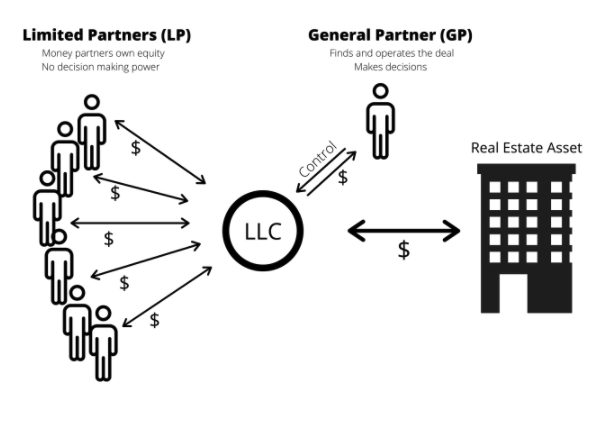
A syndicate is a group of investors pooling capital to buy a larger building collectively.
Syndicates are typically structured with an LLC (a holding LLC and a management LLC):
- GP = General Partner
— they assume the risk - LP = Limited Partner
— their risk is limited to their investment
Typically single-asset focus.
Whereas a real estate fund (which a REIT is) is similar to a syndicate in that investors pool capital to acquire real estate.
Differences:
- Typically larger in size (total capital raised)
- Focus on acquiring many assets (can be a very narrow or wide criteria)
- Investors may be able to come and go with different entrances and exits

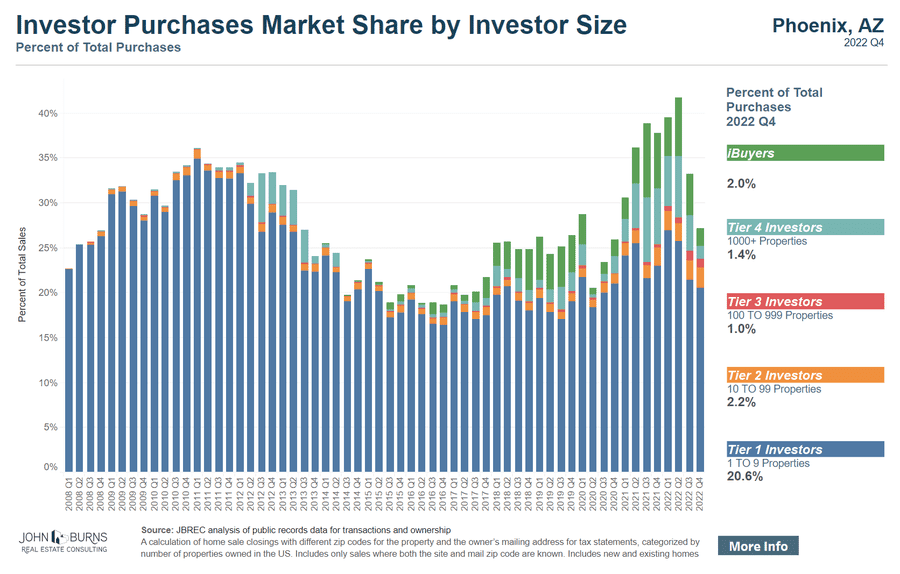
By pulling out money together we are able to get away from the crowded level of mom-and-pops and sophisticated mom-and-pop operators billing up properties under 5-10M in asset size.
🗝️ Conclusion and Key Takeaways
- Private Placements Offer Alternative Investment Opportunities – These deals are exempt from SEC registration, allowing accredited investors to access opportunities not available in public markets.
- Syndications Pool Investor Capital to Acquire Larger Assets – By leveraging pooled funds, investors can access institutional-quality real estate with lower personal capital requirements.
- Accredited Investors Have Exclusive Access – Investors meeting income or net worth thresholds ($200K/$300K joint income or $1M net worth) can participate in most private placements. However, non-accredited investors can invest in 506B offerings.
- Syndications vs. Funds – Syndications typically focus on a single asset, whereas funds raise capital to invest in multiple assets over time, offering diversification and flexibility.
- Competitive Edge Over Large Institutions – Syndicates operate with leaner structures, allowing for faster decision-making, lower fees, and potentially higher investor returns.
- Family Offices and Wealthy Investors Are Increasingly Turning to Private Investments – With 46% of family office portfolios allocated to alternatives, private placements continue to gain traction as a viable strategy outside the public markets.