

Getting Horizontal before Vertical
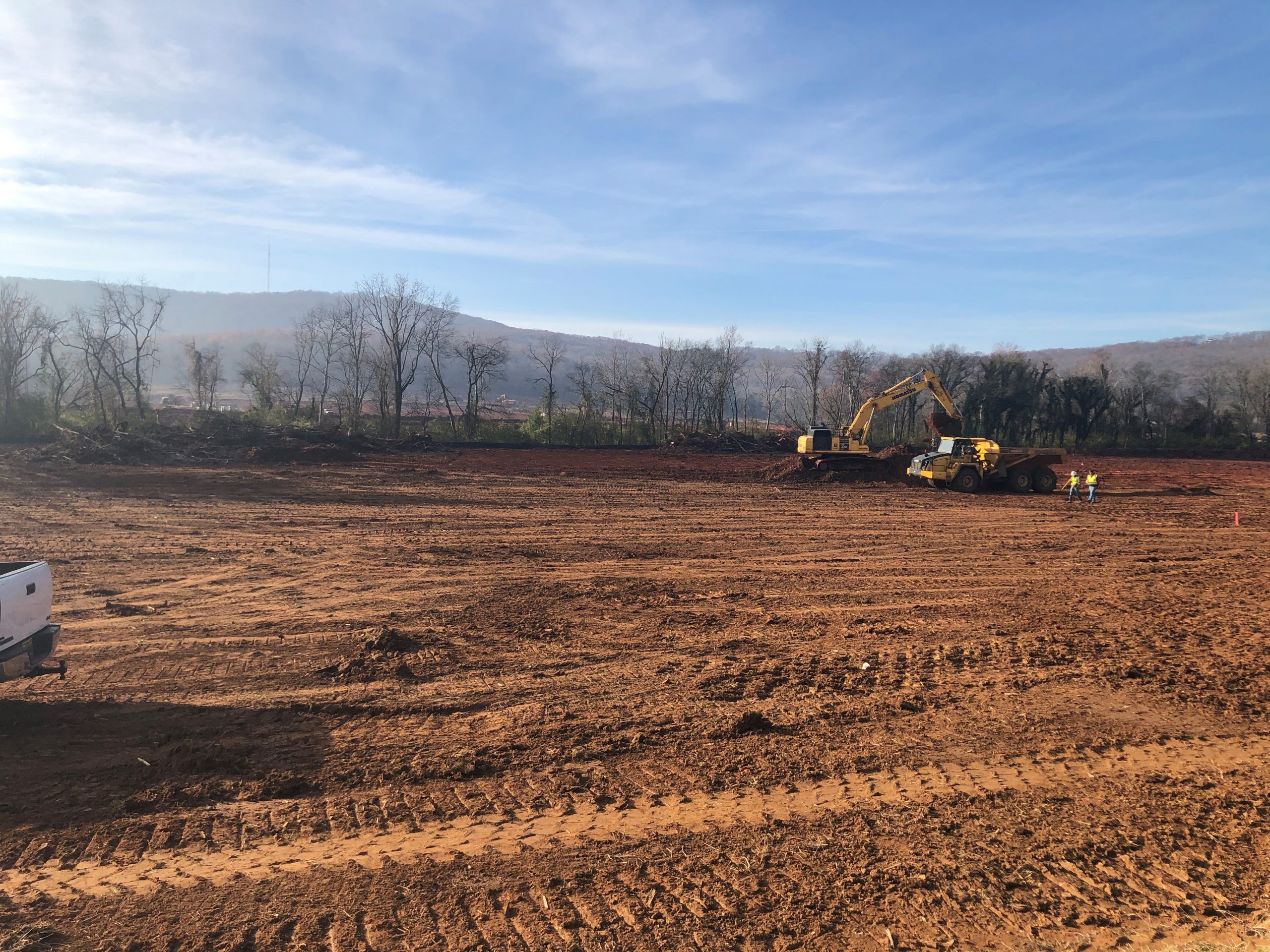
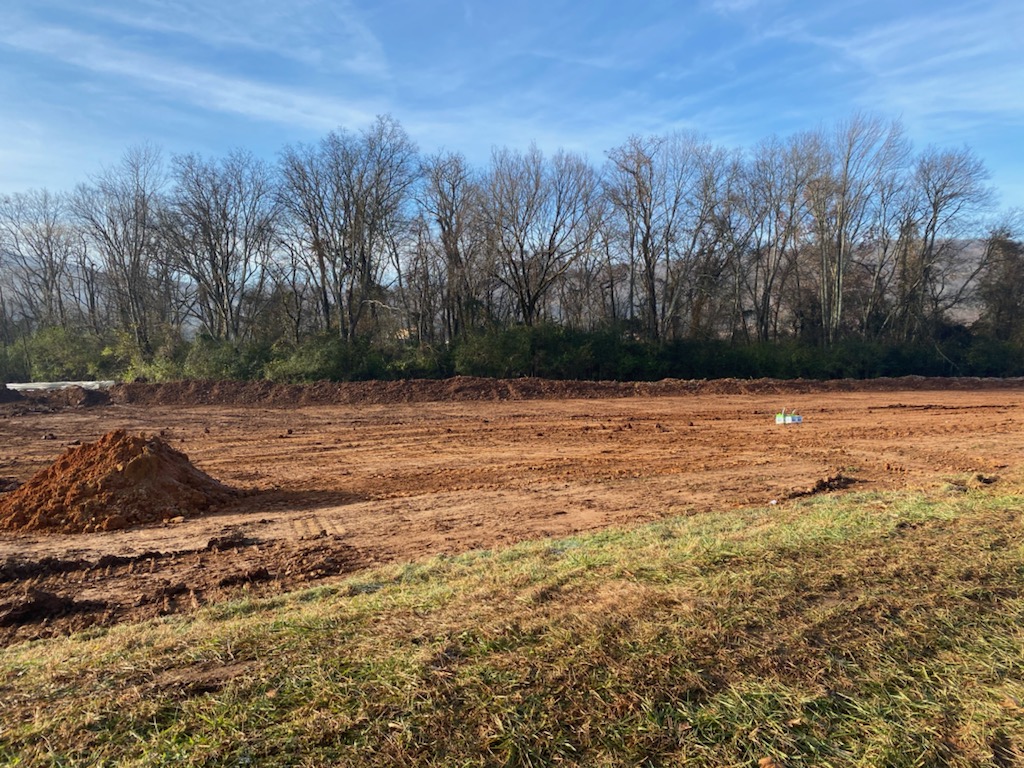
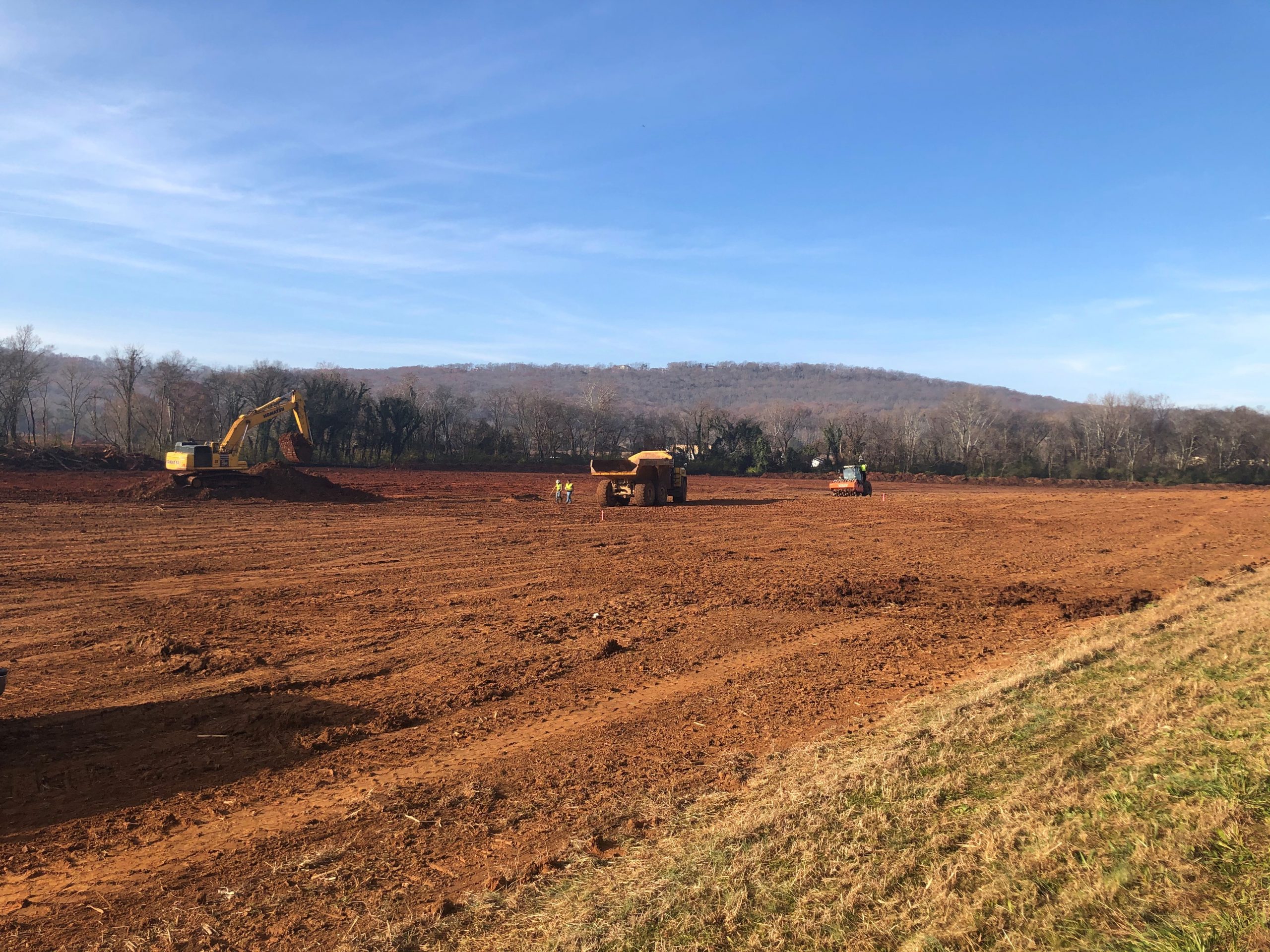
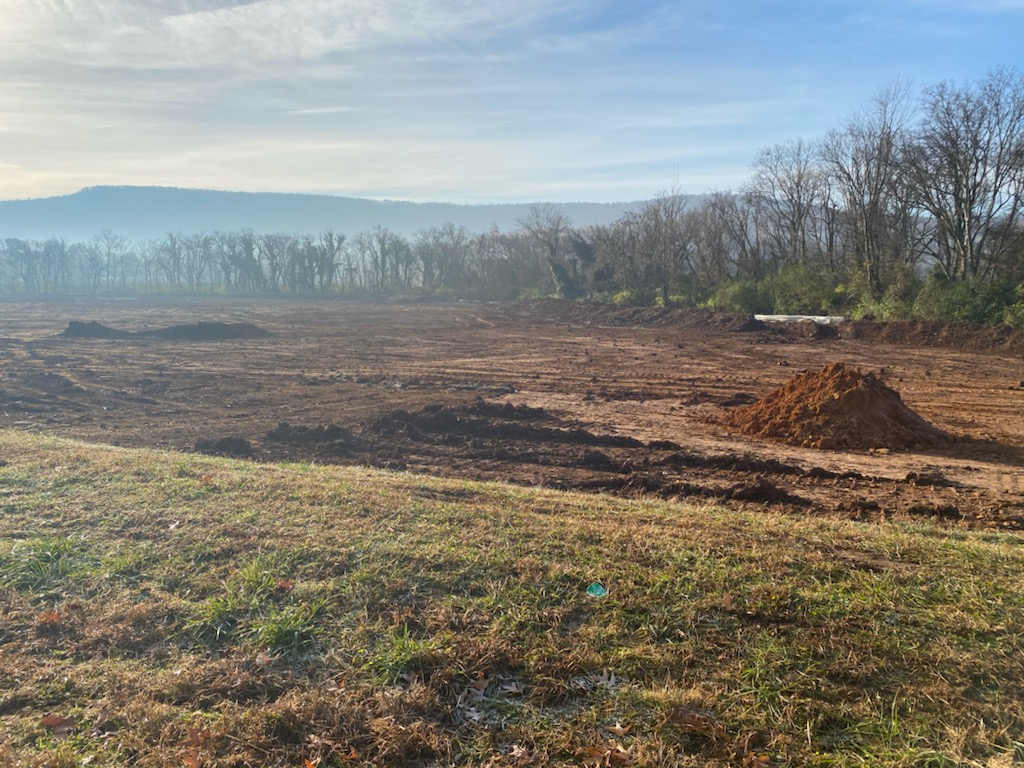
You don’t need to be on the level of construction professionals and know all of the project specifications and construction materials, but as an investor getting into developments, it’s important to get an understanding of the horizontal construction preparation and process and how that transitions to vertical construction.
We will go over some key points so you have a better understanding of the construction cost, site preparation, and parts of the construction process.
Liquidated damages are penalties agreed upon in the construction documents at the start of a construction project to incentivize the contractor to stay on schedule and have an on-time project delivery. In real life since 2010, in many private, public, and my own construction projects, I have yet to for liquidated damages as it is difficult to enforce and requires arbitration or litigation. But it acts as a backstop to negotiate price concessions or trading weather days with the contractor. These “horse trades” are the key in construction management between the construction and project managers.
Sample assumptions to calculate a realistic LD:
- Average $900/month / 30 days in a month = $30/day per unit
- Most buildings have 24 units
- Assume 68% lease up (one standard deviation) to penalize GC
- 15 day grace period past contractual substantial completion date
- 1% asset management fee and property management salaries prorated
- Assume GC is late by 30 days on each building (total 45 days after contractual SC date)
- Does not include force mature events that include the City’s widening of the OG road
Getting Horizontal (Earthwork) before Vertical (Building Construction)
General Phases to Construction
- Grading and Earthwork: To create a level surface and ensure proper drainage, the land will be graded through excavation, cut and fill operations, and shaping according to the site plan. We never plan on hitting Woolly Mammoth tusks or other historical artifacts like I did in my construction days with the railroad, but this is what little unforeseen conditions are present because it is literally buried in the ground unlike a plethora of issues that could pop up when doing a renovation and affect the project schedule and possibly the project design (ie conversion from Office to Residential).
- Road Construction: Roads/sidewalks/curb/gutter will be constructed to tie into existing roads. In most cases, there is some bartering with the local municipality, and at most, an improvement to the traffic light might need to be installed. Residential has little impact however in comparison to other commercial developments.
- Utilities Installation: Utility systems, including water supply lines, sewage or septic systems, and electrical and telecommunication infrastructure, will be installed. Coordination with the city and utility providers will ensure proper connections and hookups for each house.
- Stormwater Management: Implementing measures to control stormwater runoff is important. This may include installing stormwater drainage systems such as catch basins, culverts, and retention ponds. Our team is well experienced with this and a pet peeve is drainage engineering to be done to mitigate issues in construction and future operation. We will typically hire an additional drainage engineer to model the flow of water on the parcel.
- Site Amenities and Landscaping: Enhancing the appearance and functionality of the development involves installing site amenities like streetlights, sidewalks, and landscaping elements. Planting trees, shrubs, and grass will be included. This is ultimately part of the negotiation part of the deal with the City municipality. I was once an Engineer with the City of Kirkland and the private side, so I understand this horse trading well.
Hiring the Team
Here are some steps we take to ensure we hire the right team for the job:
- Define project requirements: Clearly outline project objectives, scope of work, timeline, and budget to avoid future change orders. This helps us communicate effectively and evaluate contractors accurately as well as mitigate for downstream changeovers.
- Seek recommendations: Gather additional recommendations from trusted sources to enhance the vetting process. This might include getting an outside contractor to pre-bid the project or give us feedback if they took the predatory “changeover approach”.
- Check licenses and insurance: Verify contractors’ licenses and insurance to ensure compliance with construction work requirements in the jurisdiction. This is another condition of our lender too.
- Review portfolios and references: Evaluate completed projects similar to ours to assess expertise and work quality. Request references to gauge professionalism and adherence to timelines. The bank/lender will also vet this too.
- Conduct interviews and site visits: Schedule interviews to evaluate contractors’ preparedness and review bids and plans.
- Obtain detailed proposals: Request comprehensive written proposals aligning with project requirements.
- Verify subcontractors and suppliers: Inquire about subcontracting practices and verify the reputation and capability of subcontractors and suppliers. That said this risk normally falls under the general contractor.
- Address contract and legal considerations: Take responsibility for drafting and managing contract negotiations using industry-standard contracts. We involve our legal team in all signings and document reviews.
- Conduct regular onsite meetings: Hold regular meetings to review schedules, address change orders, discuss payments, and answer contractor questions for smooth project progress.
Conclusion and Key Takeaways
Horizontal Before Vertical – Proper Site Prep Reduces Future Surprises
Grading, earthwork, utilities, and drainage must be completed and coordinated before vertical construction begins. Cutting corners in these early phases often leads to costly delays and operational headaches later.
Liquidated Damages Are a Negotiation Tool, Not a Guarantee – Plan Accordingly
While LD clauses can motivate contractors to stay on schedule, enforcement is rare and often avoided due to arbitration or legal costs. Use them as leverage in negotiations, not as a reliable fallback.
Contractor Vetting is Critical – Don’t Just Go with the Lowest Bid
Select your construction team through a rigorous process: verify licenses and insurance, review past work, speak with references, and require detailed bids. Vet both general contractors and their key subs.
Drainage Is a Hidden Risk – Invest in the Right Engineering Upfront
Poor water management can sink a project. Hire a dedicated drainage engineer to model stormwater flow and ensure systems are built to spec. This is one area where being cheap leads to long-term pain.
Negotiate Site Improvements Strategically – Cities May Trade Approvals for Extras
Local municipalities may push for infrastructure or aesthetic upgrades in exchange for permits. Understand this “horse trading” process and budget accordingly when dealing with city planning departments.
Use Guaranteed Maximum Price (GMP) Contracts to Cap Overruns
To limit exposure to rising material and labor costs, lock in pricing with GMP contracts. These pass cost overages to the contractor while giving you more predictability and protection on a budget.
Share Savings to Incentivize Efficiency – Align Interests with Contractors
Contracts that offer profit-sharing on budget underruns (sometimes up to 25%) encourage contractors to work efficiently without cutting corners. Everyone wins when incentives are structured well.
Material Costs Can Be a Moving Target – Plan for Price Volatility
Lumber spikes in 2021 showed how fragile construction budgets can be. Hedge against volatility by locking in pricing early, buying in bulk, and baking in contingency buffers.
Regular Site Meetings Prevent Small Issues from Becoming Big Problems
Frequent check-ins with your contractor keep schedules on track, surface concerns early, and ensure accountability. The best project managers don’t disappear once the contract is signed.
Once we sign a contract, we set the expectations for scope, schedule, and budget. In order to de-risk ourselves we like to sign guarantee maximum price contracts (GMP) so the contract takes ownership of overruns.
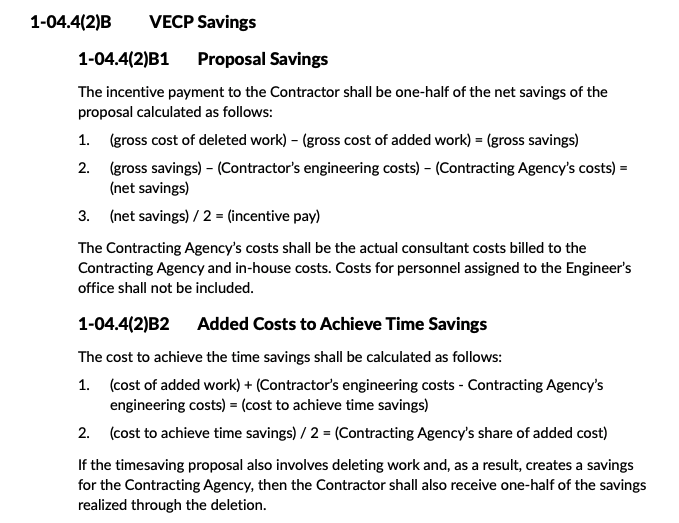
Incentivizing contractors to beat the bids by sharing cost savings with them. The breakdown is taken from WSDOT Standards. Private sector jobs can be as much as 25% profit split.
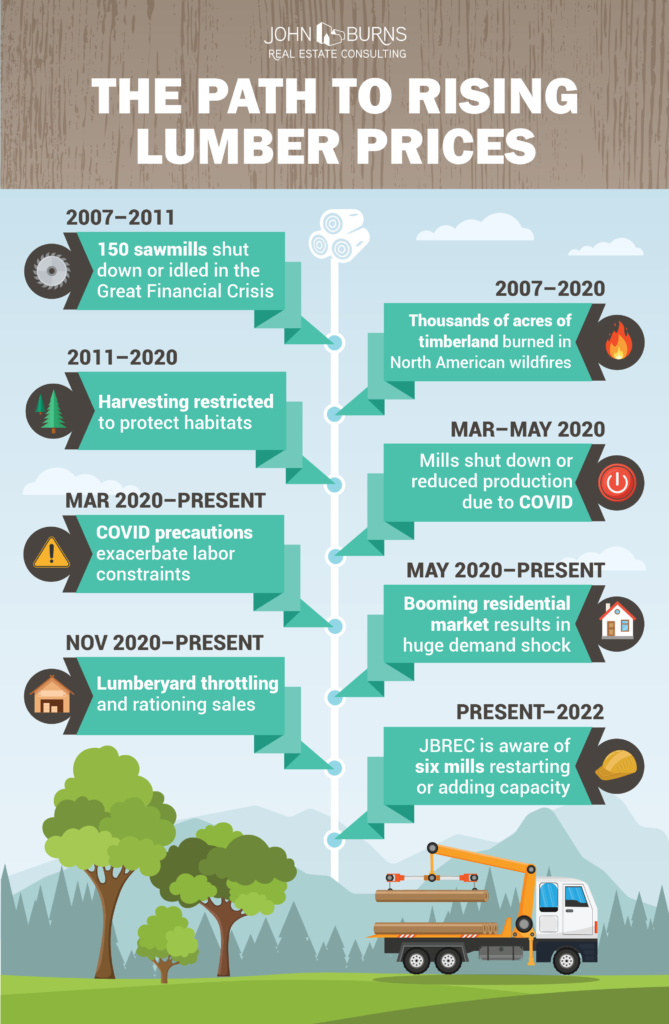
Material Pricing Risk
In the Summer of 2021, we felt the pinch of unprecedented lumber costs. We were able to mitigate some of these material costs by strategically buying our lumber in a few large packages along with our guaranteed maximum price contract (GMP).
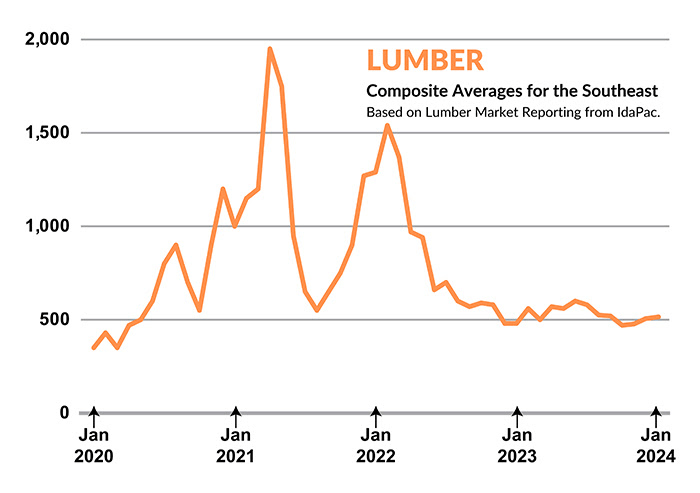
Lumber played a significant role in the cost estimates for new construction projects. This was particularly evident in 2021 during our 228-unit project in Huntsville, Alabama. We’ll apply the lessons learned from that experience to future developments.
This is educational content, not tax, legal, or investment advice. We are not attorneys, CPAs, or financial planners. Please let us know if you need a referral to a 💼 CPA, ⚖️ Lawyer, or other vendor here.
Talk it through with us
Questions on “Horizontal vs. Vertical” as you look at real deals? Join The Wealth Elevator investor community and bring them to your onboarding call.
Join the club and book your onboarding callJoining is free.

The podcast behind this course
The Wealth Elevator Podcast
Lane's show for accredited investors on passive syndications, taxes and alternative investments. Many of the lessons in this course started as episodes.
Listen on Apple PodcastsWatch on YouTube