
Where to Start to Build Your Investor Network
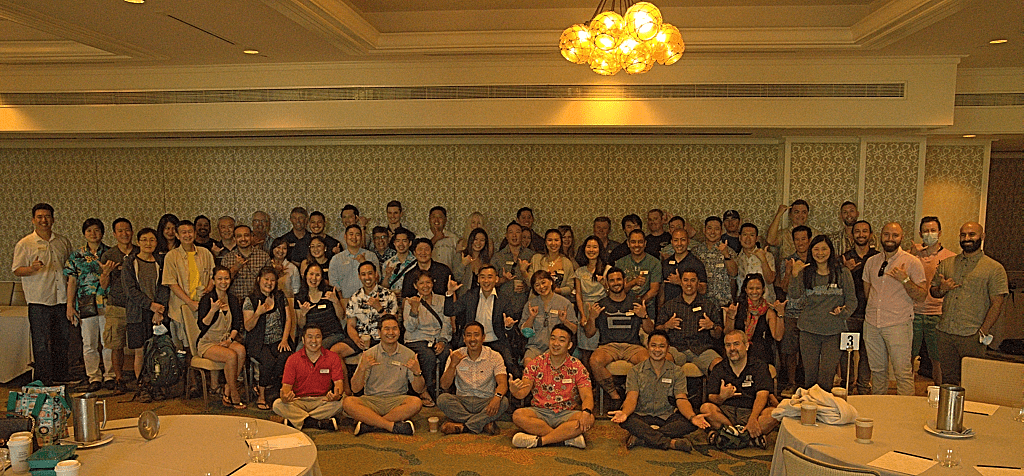
To start building relationships with other prospective investors, try targeted meetups like my local one in Hawaii for Passive investors. But remember that you are getting what you pay for…
It took me from 2009 to 2015 to go from zero to 11 units. And in 2016-2020, I changed my investment strategy and went into an alternative investment, then I built my investor network and investment portfolio, and I acquired over 4,200 units!
Why?!? Other than spending thousands of dollars on networking opportunities, such as a Mastermind networking event and getting in the right rooms of higher-level investors to build investor relationships…
It was because I found a tribe of other high net worth professionals like doctors, lawyers, engineers, dentists, accountants, pharmacists, and computer programmers who were a few years ahead of me and on the same path to financial freedom. I discovered all these hacks that the wealthy do, but more importantly, I started building relationships with these people, which helped me make investment decisions, vet operators, and real estate deals.
Tip for networking – Always add value and make things better than you found them. Too many times, a potential investor who is new comes in, asks existing investors too many questions such as “What are the latest market trends or Can you help me define my financial goal?”, and draws a negative social currency balance. Don’t be an Ask-hole! Give without expecting anything back, and you will find those who are the good ones you want to work with.

Insider Tip from Lane
Be on the lookout for the CaFE (Cheap-ass Easy Free) population. These people are always looking for the easy and free option and never get anywhere.
This is why free Meetups, local REIAs, and uncurated internet forums are the worst places for high net worth investors to build their network.
Using LP Relationship Proxy & Three levels of referrals
Starting out in any endeavor, you are not going to have the know-how or network to determine who to invest with. I lost $40k in my first deal because I did not have the right network that could have helped me avoid working with the wrong person.
Here are three levels of referrals to think about using to help you make a decision on who to work with.
The Bad – Avoid This
Investing totally off Facebook likes or a nice website/pitch deck. You don’t know anyone who has invested with this person to verify results. Another example is that you had a couple of beers with someone who mentioned someone was a good sponsor. Everyone has a podcast today, or can pay someone on Upwork a hundred dollars to put together a professional pitch deck.
You got a loose referral from someone who is potentially an unsophisticated investor on some message board or vendor, or a guy you met at a local REIA. The person who made the recommendation is not a close contact to you, nor has skin in the game, and is a first-hand investor in the sponsor’s past deals. I made this mistake in 2013 when I invested in my first passive deal by just blindly following a referral from an institutional company (IRA servicer company).
The Good – Middle Ground (But Still Not Great)
You get a referral from someone you know personally, and they have invested with the sponsor before, but the key thing missing is that you haven’t fully vetted them as a sophisticated investor. Maybe they’re a friend, coworker, or cousin who’s a few steps ahead of you financially, but they haven’t been through a full market cycle or don’t really underwrite deals themselves.
They’ll say things like “It’s been good so far,” or “They pay on time,” but can’t speak to performance against projections, capital preservation strategies, or what happened when a deal faced challenges. It’s better than a random forum post or podcast mention, but it’s still risky. Just because they didn’t lose money (yet) doesn’t mean it was a good deal — they might not even know what a good deal looks like.
The Best – “Gold Standard”
You are going off a referral from a trusted sophisticated investor who is going into the same deal too. The “trusted sophisticated investor” is an organic relationship that you nurtured the relationship over several months at least.
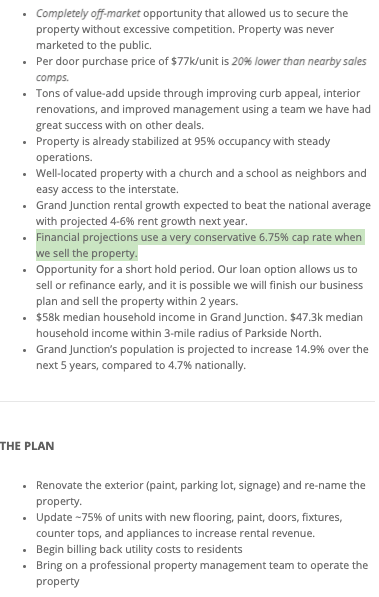
Too many rich people like to seem like they know what they are talking about, but when I press them with the right questions come to find out they did not invest any of their own money with the sponsor and completely unsophisticated – ie talking about fees and splits but no idea what reversion Cap Rates are.



Talk it through with us
Questions on “Building Your Network” as you look at real deals? Join The Wealth Elevator investor community and bring them to your onboarding call.
Join the club and book your onboarding callJoining is free.

The podcast behind this course
The Wealth Elevator Podcast
Lane's show for accredited investors on passive syndications, taxes and alternative investments. Many of the lessons in this course started as episodes.
Listen on Apple PodcastsWatch on YouTube