


Numbers in the examples on this page are hypothetical and for illustration only. Return targets are not guarantees, and investors can lose money.
Advanced Structures – Development Deals
This course covers the different deal structures for the vast majority of real estate syndication. However, for complex investment opportunities, such as a development project staged from raw land purchase to construction to final operations, the payout structures can be quite complicated. As an individual investor, you should take the time to understand the deal structure, exactly how much you get paid, in what order of preference, and when. Read the term sheet closely, ask questions of the general partner, and do your due diligence.
Most development deals are higher risk and higher returns. Whereas I tend to invest the majority of my portfolio in cash-flowing stabilized assets. However, not every deal fits these generalities. As of late, there have been a lot of people getting into value-add apartments, where the real investment opportunities (wider margins for safety) might be in the asset acquisition of these developments, where you build from the ground up and thus create more value.
NOTE: Just looking at the areas highlighted in green below is not “evaluating the numbers”… The numbers that you underwrite the deal structure (annual rent increases, reversion cap rate, full occupancy assumptions) are what you want to analyze. The image with the green background shows partially “Evaluating the numbers”.
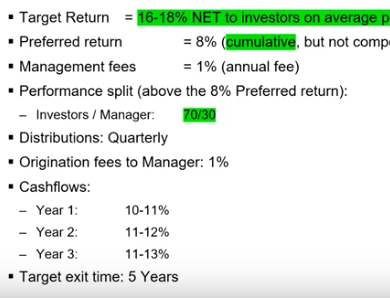
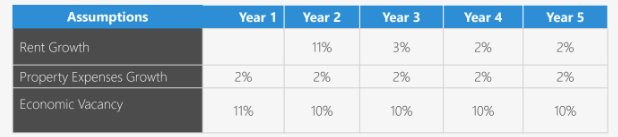
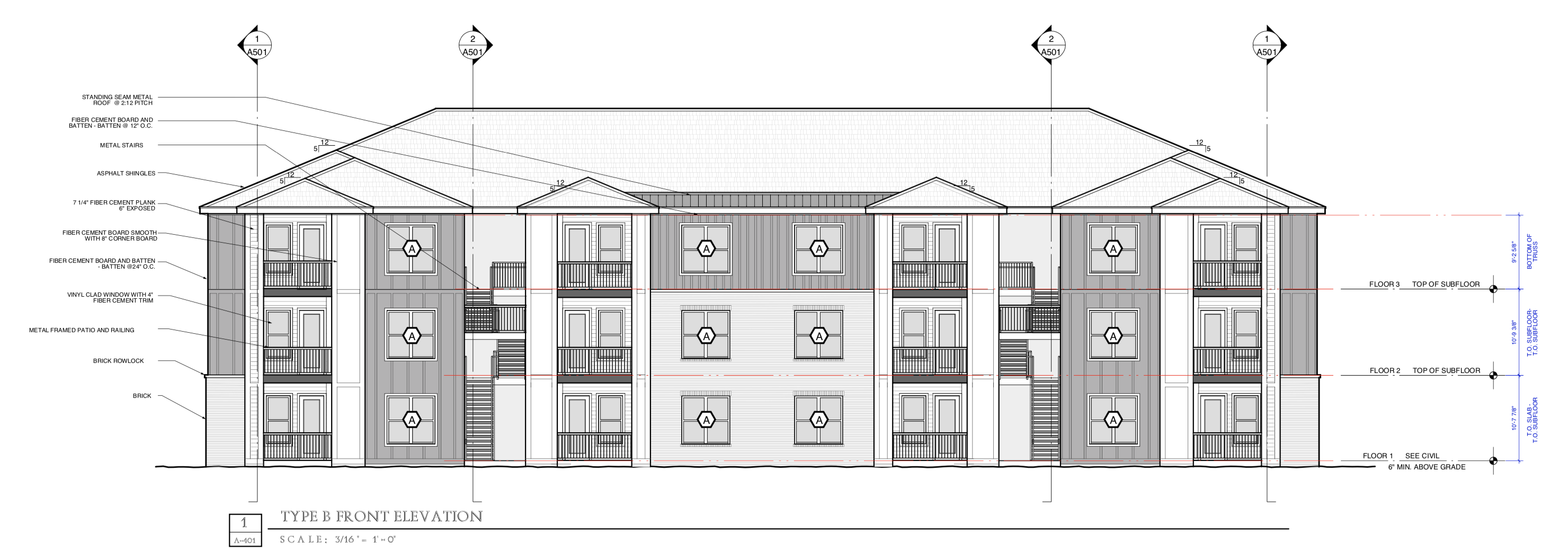
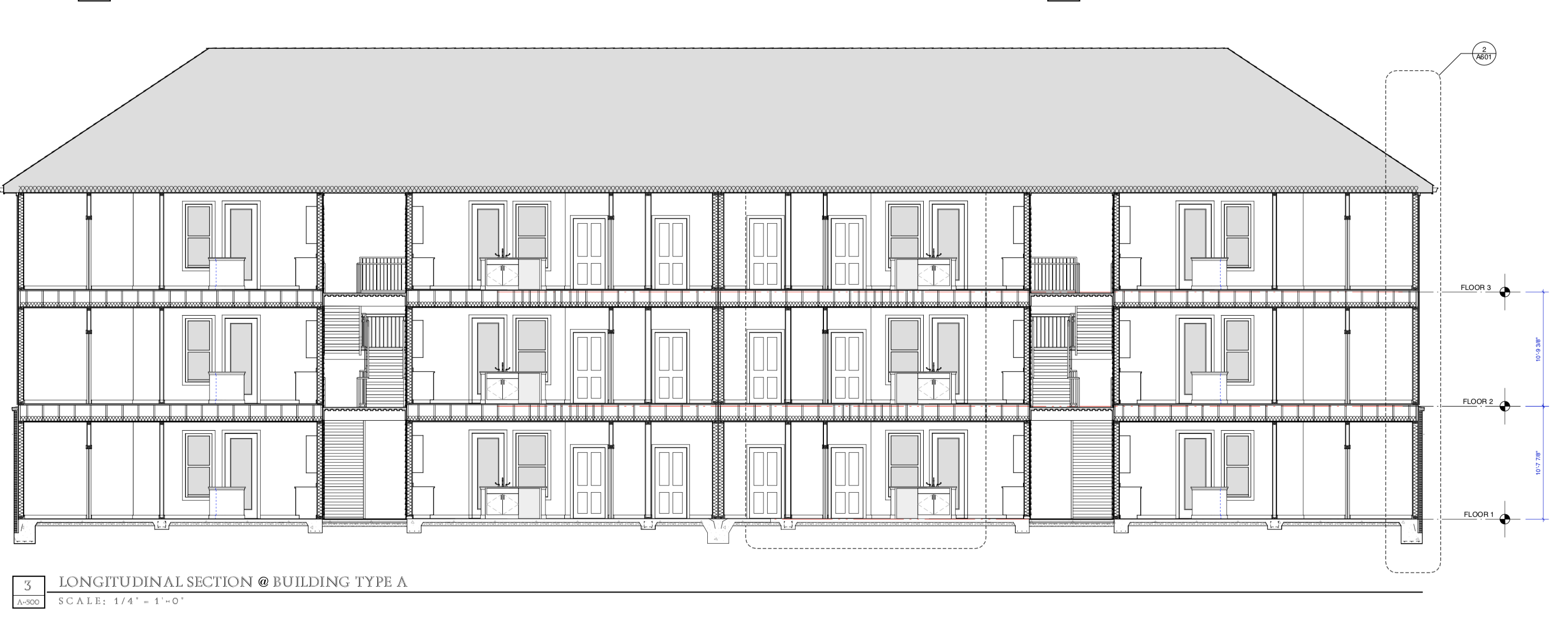
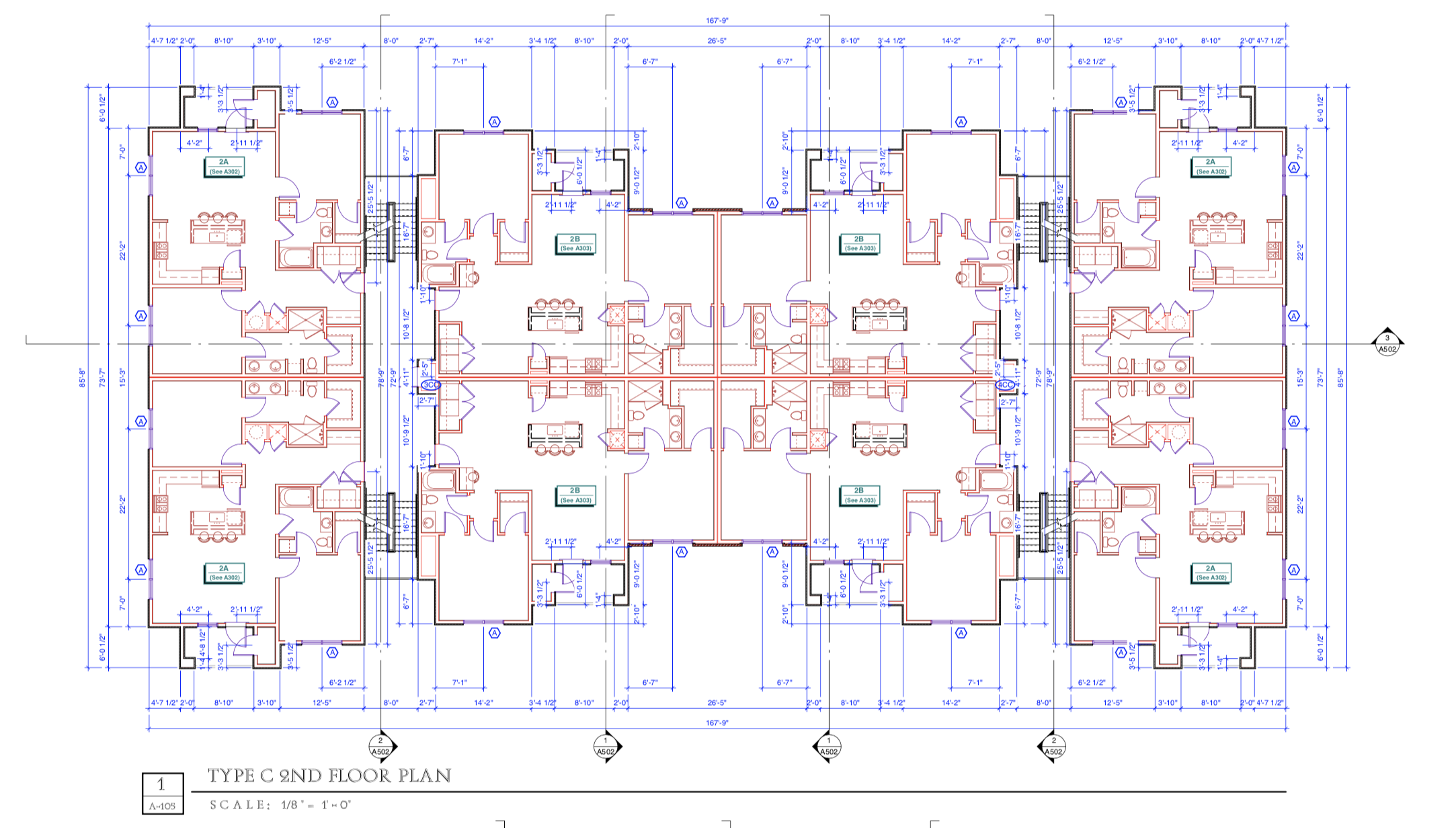
What is an example of an investor split on a Development deal?
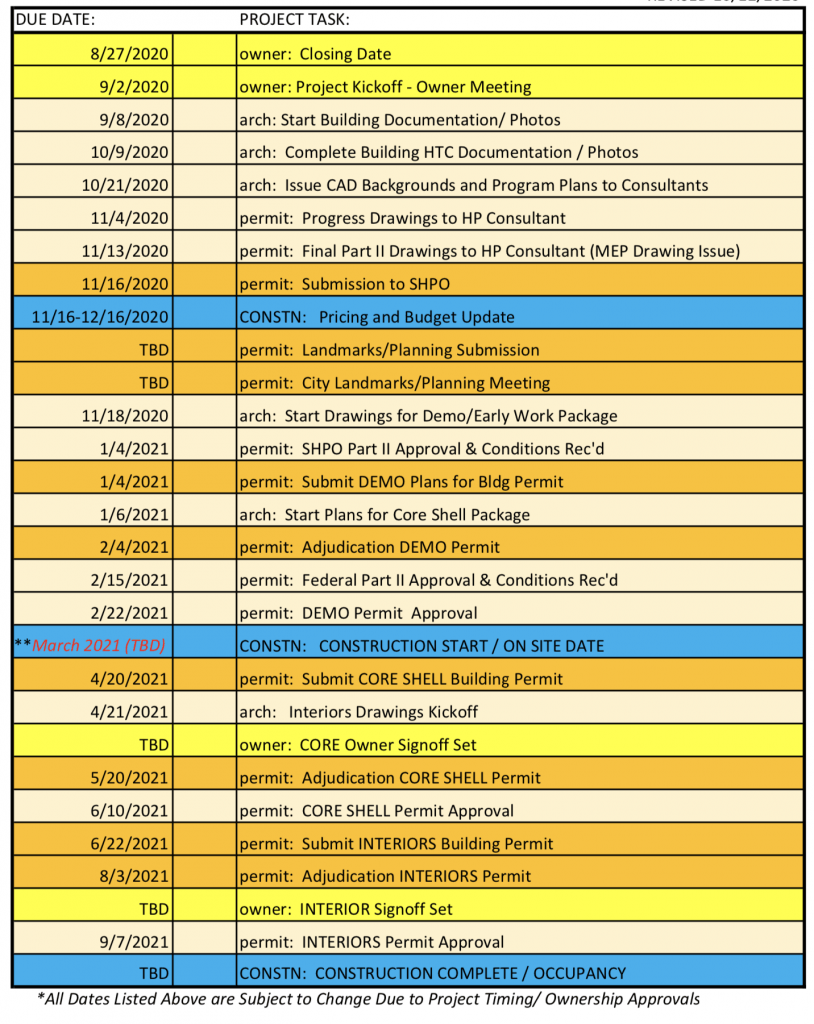
Development deals have two huge “ifs” which are what the deal value is when the property sells and how long construction will take after the asset purchase. Typically, there are huge upfront payments on promotion fees on both asset acquisition/funds raised and during construction.
5% fee and 50/50 split after 8 pref, where investors get 100% of their initial investment before the 80/20 split takes place.
Returns will be split as follows:
- 8% Preferred Return to Class A Members
- Return of Equity to Class A Members
- 50% of Remaining Return to Class A Members, 50% to Class B Sponsors
Fees to the Sponsor
- Development Fee – 5% of project cost to be drawn during the construction process.
- Asset Management Fee – .25% of total project costs during the life of the project.
- Disposition fee – 1% of the sales price upon sale.
- Loan Guarantor Fee – 1% of the outstanding loan amount fee (paid annually)
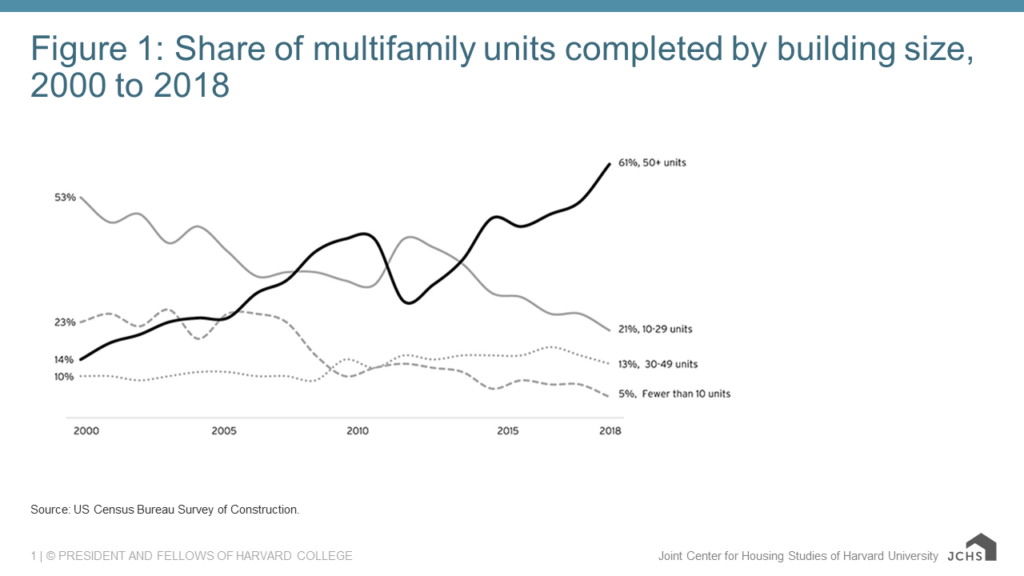
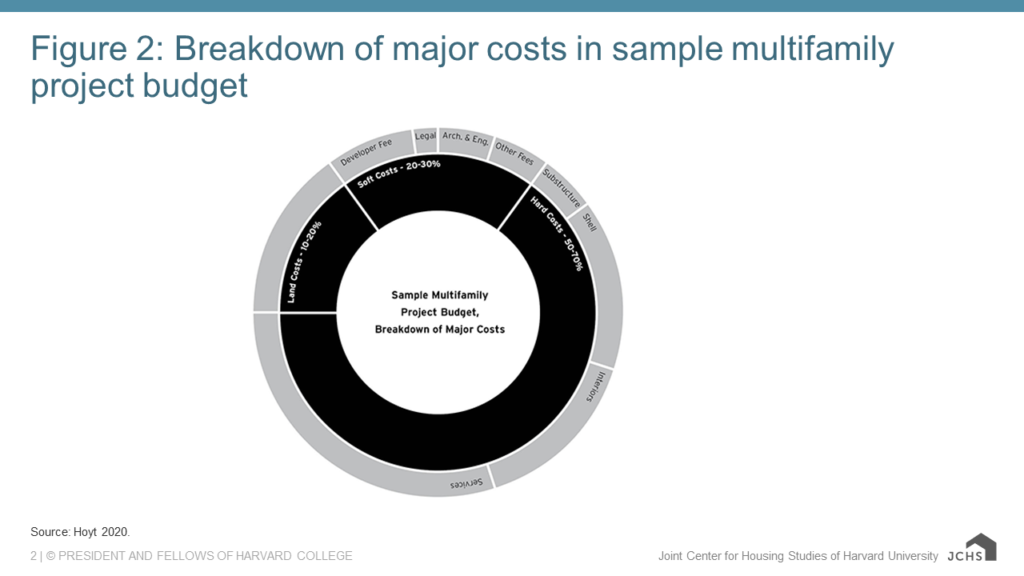
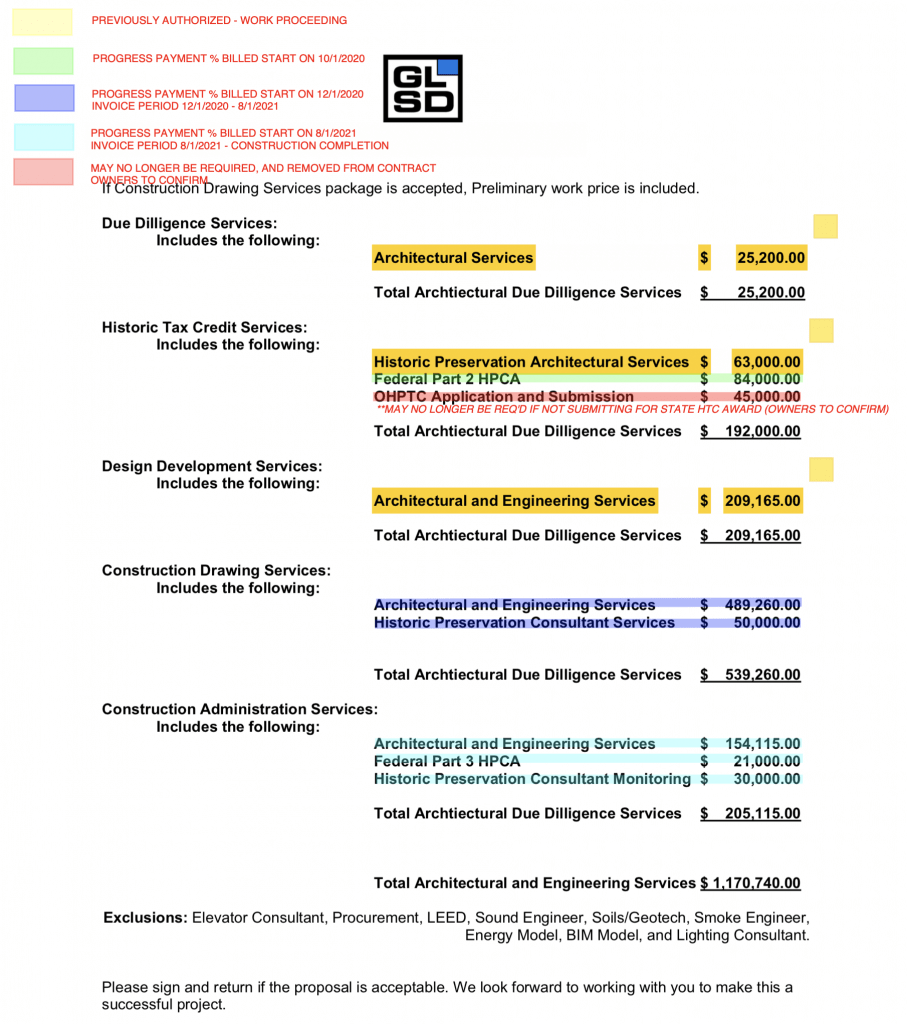
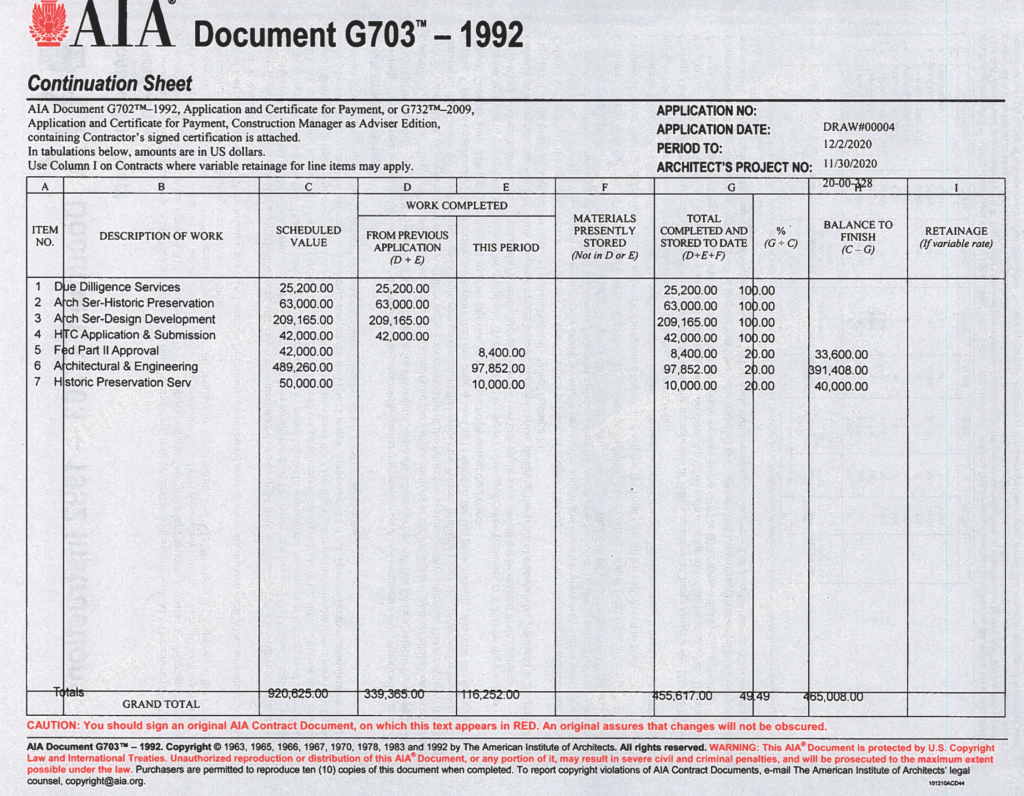
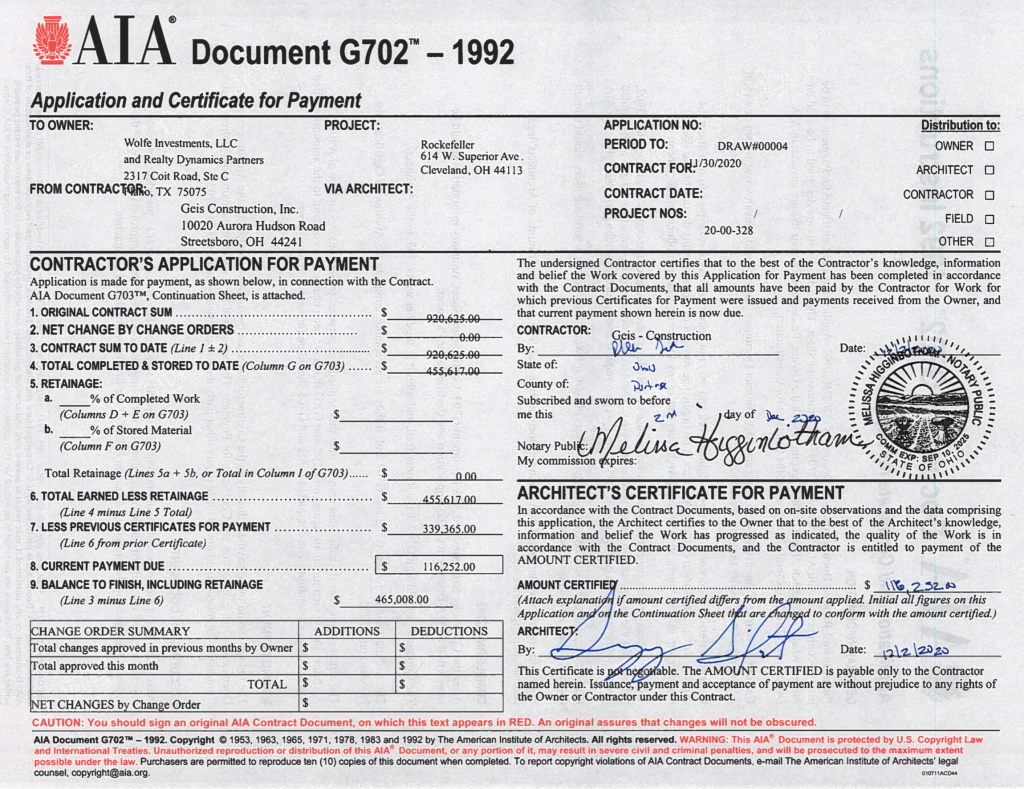
Samples of payments that go out to our professional services consultants (engineers, architects, permitting firms)
Conclusion and Key Takeaways
Understand the Full Development Timeline – Construction Deals Carry Timing and Sales Risk
Ground-up development deals depend on two major variables: how long construction takes and what the asset sells for. Delays and market shifts can significantly impact returns.
Don’t Just Skim the Deck – Always Read the Docs
Development deal structures often come with layered fee structures and complex payout waterfalls. Investors must review offering documents closely, ask direct questions, and understand exactly how and when they’ll get paid.
Promote Structures Can Heavily Favor Sponsors – Know What You’re Signing Up For
In many development deals, sponsors take hefty fees upfront (e.g., 5% development fee) and generous promote splits after investor hurdles are met. A typical structure: 8% preferred return, return of capital, followed by a 50/50 or 80/20 split.
Beware of Fee Stacking – It Eats into Your Return
Common sponsor fees include:
– 5% Development Fee
– 0.25% Asset Management Fee (on total project cost)
– 1% Disposition Fee (on sale price)
– 1% Annual Loan Guarantor Fee
These fees can significantly reduce investor returns if not properly accounted for.
Know What “Evaluating the Numbers” Really Means – Don’t Get Fooled by Green Boxes
Sponsor presentations may highlight surface-level figures, but real due diligence involves digging into underwriting assumptions—rent growth, cap rate at sale, construction timeline, and occupancy projections.
Development Can Offer Wider Margins—If You Have the Right Operator
While value-add has been crowded lately, development deals may offer better risk-adjusted returns—if executed well. Partnering with experienced, transparent developers is essential.
Cash Flow Investors Should Tread Carefully – These Deals Often Pay Last
Unlike stabilized assets, most development deals don’t offer early cash flow. Investors are usually paid after construction and lease-up—sometimes 2–5 years later.
This is educational content, not tax, legal, or investment advice. We are not attorneys, CPAs, or financial planners. Please let us know if you need a referral to a 💼 CPA, ⚖️ Lawyer, or other vendor here.
Talk it through with us
Questions on “Fund Structures” as you look at real deals? Join The Wealth Elevator investor community and bring them to your onboarding call.
Join the club and book your onboarding callJoining is free.

The podcast behind this course
The Wealth Elevator Podcast
Lane's show for accredited investors on passive syndications, taxes and alternative investments. Many of the lessons in this course started as episodes.
Listen on Apple PodcastsWatch on YouTube