


Yield vs Value-add Play
Yield Play
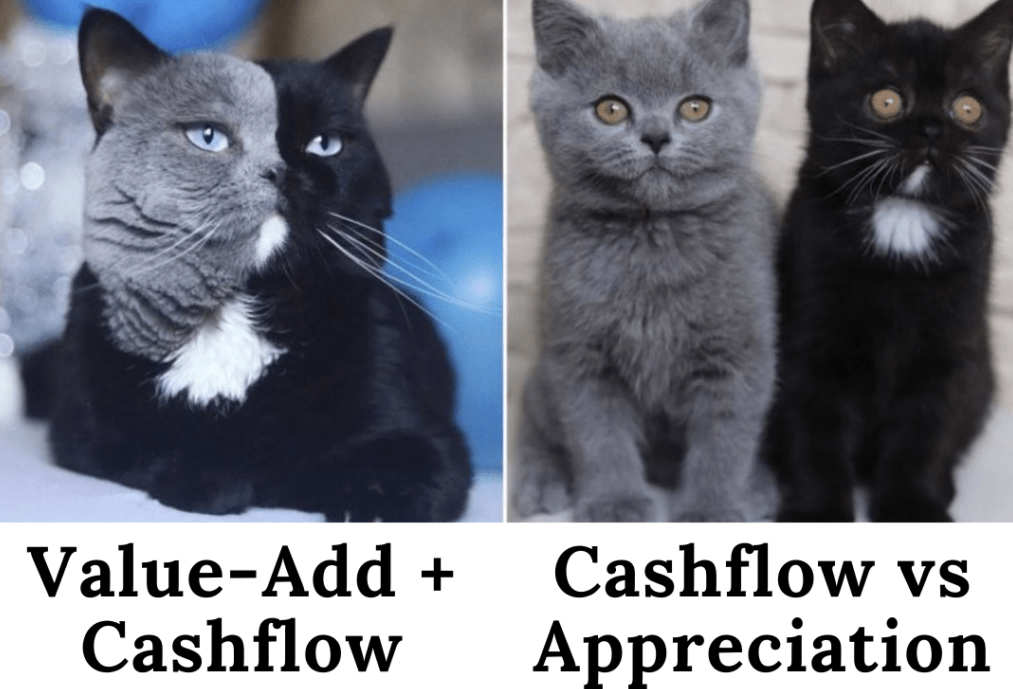
Yield plays offer a real estate investor lower rates of return and passive income because the asset is already operating well (with possible cash flow on Day 1) and there’s little upside other than higher rent from market rent inflation and tweaking expenses.
Some ways the asset management tweaks expenses are:
- Have the tenant be responsible for the water bill – When tenants aren’t paying for water, they usually are less likely to conserve water. Before we purchase a multifamily property without separate meters on a yield play, we confirm that the tenant pays all utilities in the lease agreement, Owner’s P&L (profit and loss) statement, and records with the utility company. Then we will know that we can tweak this expense by adding individual meters for each unit. This means that instead of dividing the total water bill by the tenant’s proportional floor space, we can bill each tenant based on what they actually consume and incentivize conservation.
- Water Conservation – In addition to changing the meter, we also make sure there are no water leaks on-site, install low-flow aerators on sink faucets, and install low-flow showerheads/toilets. Sometimes the local water district may offer these conservation measures free of charge.
- Garbage – We reduce this cost by comparing prices with other companies in the area, upgrading to a larger dumpster vs. paying for individual cans, adding recycle bins to reduce the amount of garbage bin/dumpster size needed, adding a lock to the dumpster (if non-tenants are throwing away trash in the dumpsters), and negotiating the rates by adding an auto-pay option.
- Earn points on utility bills – If we have to pay for the water/sewer bill, we set the bills on auto-pay with a credit card to earn cash back or reward points.
- Create a utility bill back program (water, trash, cable, gas, etc.).
Value Add Investments
Value add real estate plays are riskier and have the potential for a higher return. You may not see cashflow for 3-18 months. It will depend on the GPs to manage the property or hire a great property management company to secure those higher returns.
Note: “Value Add” term gets thrown around a lot as a buzzword. A light value add investment can be loosely defined as 3k-6k of rehab per unit, medium is up to 12-15k. And heavy value-add or development is 15k-150k per unit.

- Flat fee bill back
- When the units are the same size and same number of beds/baths, a flat fee bill is easiest for the Owner and the tenants. The downside is that it may not cover every month’s bill, in which case the Owner will have to pay the difference.
- Implement a radio utility bill back system (RUBS)
- RUBS divides the utility bill among tenants based on criteria such as square footage, number of beds/baths, number of tenants in the unit, etc.
- Splitting the bill
- For smaller properties, sometimes it’s better to have the tenants pay for their actual utility costs.
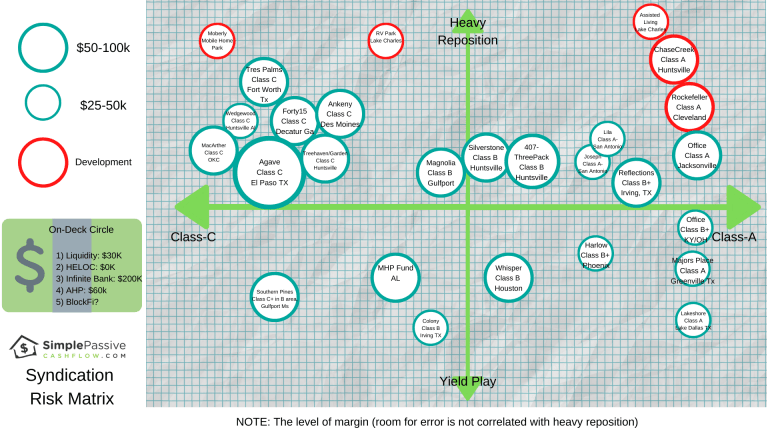
My personal holdings as of 20.12.2. I attempted to mind map my holdings. Ideally, my investment philosophy would be to go into light/medium value add Class B deals (centered around the 407-Three Pack Class B Huntsville) but as you can see my investments are scattered all around. As an investor, I am trying to get my weighted average where my target investment philosophy is. No deal is going to check all the boxes for you.
Typical Class-C Stabilized Value-Add Business Plan Example
The current owner has spent over $400,000 on complex improvements, but none of that has been spent on updating unit interiors or adding amenities for residents. All interior units have original finishes.
To enhance value, a cap-ex or value-add program will be implemented to increase revenue. Most of the 174 units will be renovated at a cost of approximately $2,500 to $3,500 per unit, commanding an average $50 rent premium. Below are some of the ways that will be used.
Traditional value add – rehabbing units
How we add value in intangible ways which also improves tenant retention and why they end up paying more than market rents.
Rehab Ballpark Estimate
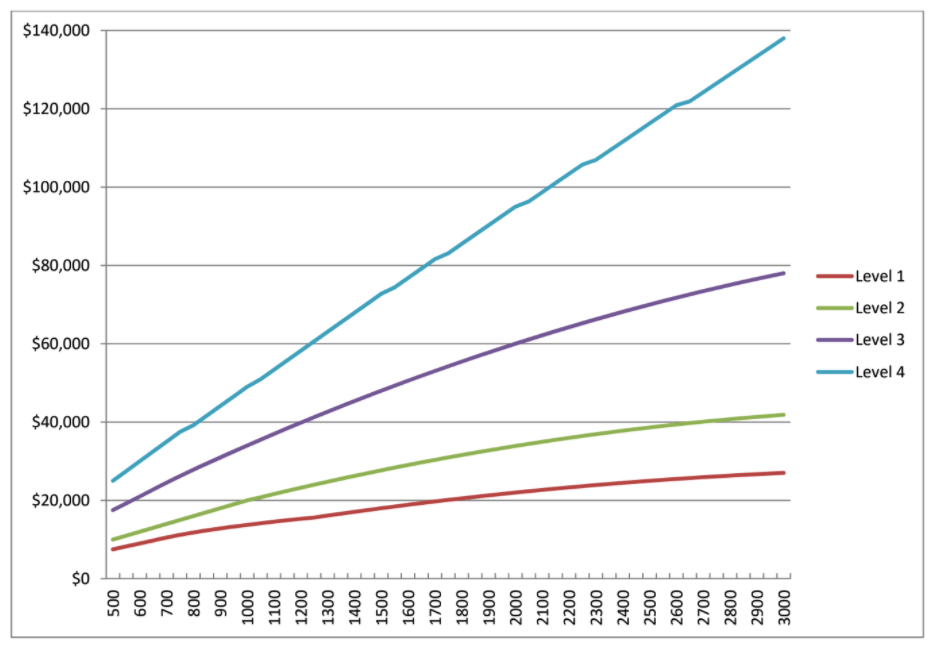
Level 1 – “Lipstick” will be just paint and flooring, maybe freshening up landscaping. Changing out some light fixtures and mirrors. Minimal work can be done in a week or two.
Level 2 – Cosmetic Update – in addition to Level 1, one or two additional expensive updates/repairs will be required such as window replacement, roof, HVAC replacement, kitchen cabinets, and bathrooms. No structural moving of walls or plumbing/electrical components. This would be a 3‐4 week rehab
Level 3 – Moderate Updates/Repairs – The kitchen and bathrooms require updating. Two to three expensive updating/repairs will be required. Some plumbing and electrical work may be required. This may include removing one wall and installing a glue lam beam to open up the floor plan. This is the most common rehab level for older homes. Rehab would last 6‐8 weeks
Level 4 – Full Updates/Repairs – The entire home requires updating. Some moving of walls, removing of walls. Some rewiring and re-plumbing are required. Replacement of mechanicals. This may include items such as moving laundry rooms, reconfiguring kitchens, and adding light circuits. Potential structural/crawlspace issues. 8+ weeks to complete the work.
Level 5 – Full Gut and/or Addition– The house will be gutted to the studs and rebuilt with or without addition. All trades will require major scopes. Should be estimated case by case – not included.
*Taken from Remote Rental eCourse for Single Family Rentals (not apartments)
Interior Upgrades
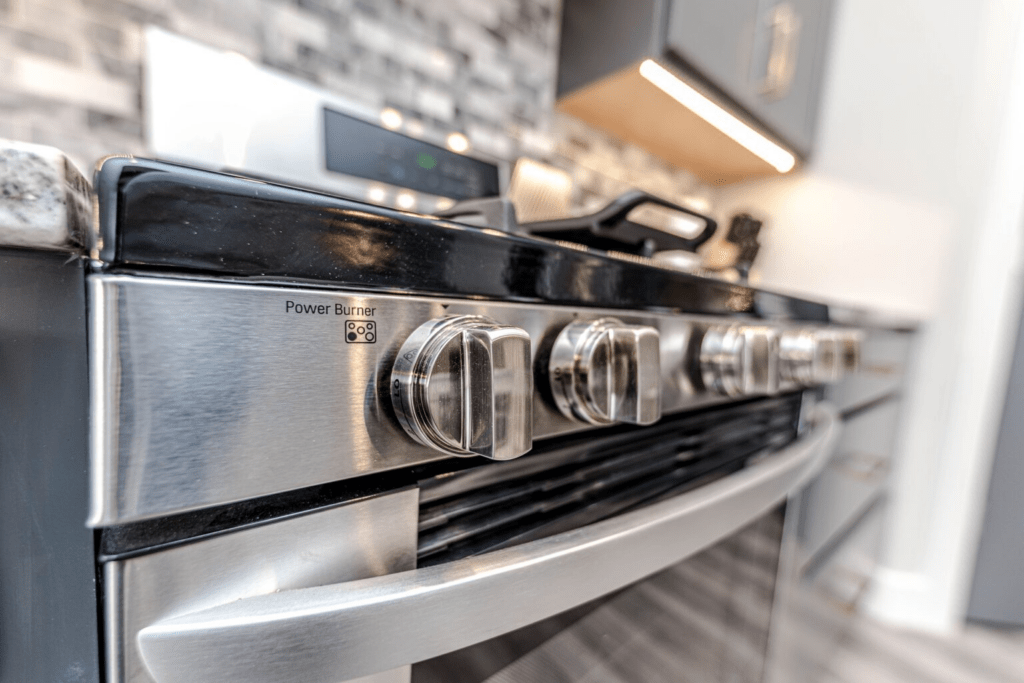
Interior upgrades may include new vinyl flooring, new appliances, modern light fixtures, and new hardware and plumbing fixtures. We like to do these first because tenants will pay more if their specific unit is upgraded. We also try to tackle the clubhouse which is the first thing new tenants see.
Exterior Upgrades
Building exteriors will also be updated including improving the parking lot, adding solar screens, and installing security cameras. While the property has been nicely maintained, the surrounding landscaping could use a refresh. We will also look to add a new outdoor amenity to the property such as an outdoor grilling area. These exterior improvements are great at the middle to end of the rehab process because it does not really bump rents off the bat like the interior (low-hanging fruit) but exterior improvements do a lot to solidify the community and make it look like to potential buyers.

Rebranding
We will also rebrand the property to give a modern name and signage. This also excited good tenants that a new manager is in town as they see changes they may be willing to pay for the community upgrade. At the same time,e it tips off bad tenants that their days are numbered.
Efficiency Upgrades
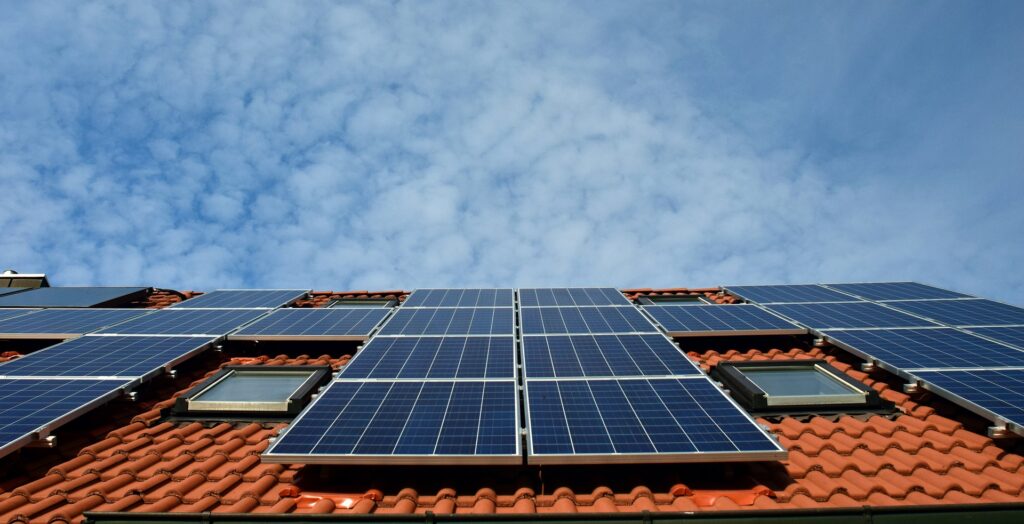
Other areas we will look to find opportunities include implementing energy efficiency and water savings upgrades to reduce overall utility expenses, improving the laundry services which are currently under-utilized, and looking to create a new efficiency unit where the current office space is. Many vendors try to reach out for low-cost high-efficiency faucets and toilets which are supposed to recoup costs very quickly.
Things we look for when we tour properties:
- Not updated (entrance) property sign/logo – must adapt to current times not when the property was first built; must attract high-quality residence
- Logo not inappropriate sizing/ color, not big enough to see – logo must be emphasized so people can see hence it will bound to be useless; so people will be aware where to go
- Not well-maintained foliage or garden strips
- Not coordinated paint scheme (exterior) of the units
- Wall (exterior) stains
- Furniture (owned by tenant) not well kept in front of the apartment unit
- Placement of barbecue grill (personally owned by the tenant) in front of the apartment unit- fire hazard
- Light fixtures (interior) must be changed, and must be uniform- existing lights have a combination of white and yellow
- Even if the bathroom and kitchen area look fine, they need cleaning (TLC)
- Mismatched appliances (refrigerator white in color while the oven is color black) – small details make a huge difference. May change the refrigerator into black so it will match the other appliances
- Changing kitchen cabinet staining- that will resemble with the appliances
- Private backyard not enclosed – can charge additional rental fee if the backyard is enclosed
- Not enough accents in the pool area (ex. placement of umbrellas, gazebo, arrangement of pool chairs)
- Not enough benches; repurposing of existing outdoor picnic benches and tables needed – to experience more of the outdoor area amenities
- Outdoor public grill placed in a health hazard area (rusty and too near the benches)
Talk it through with us
Questions on “Yield and Value-Add” as you look at real deals? Join The Wealth Elevator investor community and bring them to your onboarding call.
Join the club and book your onboarding callJoining is free.

The podcast behind this course
The Wealth Elevator Podcast
Lane's show for accredited investors on passive syndications, taxes and alternative investments. Many of the lessons in this course started as episodes.
Listen on Apple PodcastsWatch on YouTube