


Other Investments You Might See Out There….
Oil & Gas
The popularity of oil & gas investing has risen primarily due to tax deductions (offsetting active W2 income) and to the government subsidizing oil exploration and, secondarily, for harvesting the crude oil.
Most people (environmentalists included) do not realize that petroleum not only makes up the gas in your car’s tank, but most plastics are made of petroleum:
Plastic Petroleum Products
- Umbrellas
- Bicycle Tires
- Solvents
- Curtains
- Mops
- Roofing
- Toilet Setas
- Deodorant
- Basketballs
- Golf Bags
- Perfumes
- Refrigerant
- Paint
- Hair Coloring
- Ice Cube Trays
It’s important to note that petroleum has no substitute; oil and gas are commodities, so there is limited supply and high demand.
Investing in Oil & Gas
Pros
There are significant tax benefits investing in oil and gas, specifically to owning a producing oil well. A few of the tax benefits are:
Tax Benefits
The structure of the oil and gas investment will dictate the amount of tax benefit. For example, a drilling program could result in a 75%-100% write-off against your active income in the year that you invest.
Cashflow from producing wells or royalty interest can have a 10%-15% yearly depreciation allowance.
Cash Flow
Certain oil and gas investment types can provide consistent cash flow, similar to real estate. One good well can pay you for passive income for decades and produce exponential returns.

If your investment is profitable, the DPPs are generally passive investments and can result in steady cash flow.
Diversification
Apart from the tax write-offs, investing in oil and gas provides diversification of your investment portfolio and can be seen as a hedge against inflation.
Cons
Despite all the wonderful pros of investing in oil and gas, it is important to take note of some of the cons:
Volatility
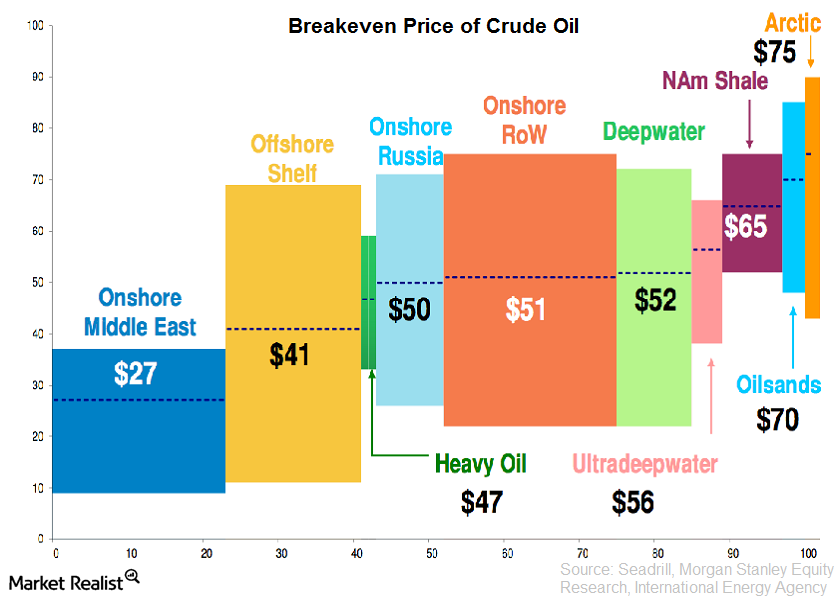
As you’ve seen in the news, the price of oil can be very volatile. Since oil is a global commodity with many other countries also producing it, global tensions can directly affect its price.
This could directly affect any cash-producing investments because your cash flow is directly tied to the price of oil and gas.
Large Barrier to Entry
Depending on the type of oil investment and size of the project, it can be a big barrier to entry financially; it can cost hundreds of thousands to millions of dollars to drill a single well.
Environment
There is potential for large liability issues if there is a spill caused by one of your oil and gas wells.
How to Invest in Oil and Gas
— Invest in Oil Stocks
Here are a few companies you could buy stock from that are doing deep well drilling:
- Exxon Mobil (XOM)
- Chevron (CVX)
- ConocoPhillips (COP)
- British Petroleum PLC (BP)
Unfortunately, as we know, investing this way is not direct.
— Direct Participation Program
If you are an investor who wants to take a more “hands-on” approach to oil and gas investing, consider taking a look at an oil and gas direct participation program (DPP). DPPs are designed for people to invest directly in oil and gas production and exploration.
It is a type of investment that allows the investor to gain the benefits of the cash flow and tax advantages of the investment. DPPs require a substantial amount of due diligence by the investor and can have varying levels of risk.
In a DPP, you actually own a percentage of interest and assets of the operating company, which is known as the working interest. You have all the advantages of owning a percentage of an oil company without having to set up the company, manage the day-to-day operations, or be an expert in the oil and gas space.
Types of Direct Participation Programs
There are different types of Direct Participation Programs you can be involved in:
Exploratory Drilling Program
This is a “high-risk, high-reward” type of investment and is the riskiest type of program. This is when an operating company structures a deal to explore a new area for oil. Usually, new wells are drilled in areas that have no previous activity or drilling. While there is a chance that the exploratory wells could hit a lot of oil and could result in insane returns, there is also the possibility that the well is a “dud” and produces little or no oil.
In exploratory programs, your investment is usually 75% to 100% tax-deductible.
Working Interest Program
This is when the developmental wells have already been drilled and are already producing. Usually, other working interest owners are looking to cash out and sell their interest to another investor. This is similar to buying real estate that is already generating a rental income. There are no major tax advantages with this type of investment, apart from the depreciation allowed on the assets.
Re-Work Program
Rework programs are not as common. Re-working programs normally involve operators taking already producing wells that have low production rates, and “re-working” or revitalizing them.
This normally involves:
- cleaning the well
- drilling into new zones
- re-stimulating (fracking)
- making casing or tubing repairs
- These types of investments can be risky because it is not guaranteed that the well production rate will increase or result in a substantial production increase with this rework.
On the other hand, a small investment may result in very large returns on a well or group of wells. Overall, investing in the correct DPP can prove to be very lucrative, though it is important to note some of the risks associated with DPPs.
When looking at the DPP options, consider a program that is a combination of both development and working interest ownership. This type of program would hedge your risk, so you can sleep easily at night. Similar to real estate, your working interest is relatively illiquid because you would need to find a buyer for your working interest if you are looking to cash out.
Since you are a “part-owner” of the company or project, you can be liable for costs that arise from the project. For example, if the operating company runs out of the money that was initially raised from all the working interest owners, they can issue a “cash-call,” which would result in working interest owners needing to invest more in order to keep the project alive.
This is why it is important to involve an oil and gas attorney before you invest in these programs to ensure you understand all the risks associated with the investment. It’s also worth noting that if you’re investing in physical wells, then go there and inspect the lease. Talk to the operator. If you can, find locals in the area who know the history of the area, and better yet, the lease itself.
Developmental Drilling Program
This is the most common type of DPP. Normally, an operating company is looking to drill more wells in an already proven area. Since there are already producing wells and historical trends in these areas, the chance of drilling a “dry hole” is much less, but again, nothing is guaranteed.
These types of drilling programs are usually chosen by investors who want an immediate tax write-off against income in the same year. The tax benefits can yield 75% to 95% write-offs. Based on steady or increasing oil prices, this type of investment can also yield a steady cash flow.
— Owning Mineral Rights
Apart from the DPP options we just explored, there is one more option for investing in oil and gas.
This is owning oil and gas mineral rights. Simply put, “mineral rights” mean you own the oil and gas rights beneath the surface. Mineral rights give you the right to explore (drill) or produce oil and gas on a piece of land. Mineral rights also include the right to lease the land for oil and gas production.
Normally, investors can buy mineral rights through an authorized broker; however, the cost to buy mineral rights can be quite high. Once a person owns mineral rights, they can enter into mineral rights ownership agreements with oil and gas companies.
One of the most common types of ownership is known as a royalty interest. This is when the mineral rights have been leased to an oil company for oil and gas exploration and production.
The owner keeps a certain percentage of the revenue when the operator starts producing oil and gas. A royalty owner does not bear any costs associated with drilling or operating the wells.
This type of ownership provides a very lucrative passive income for investors; however, good mineral rights deals are not very easy to come by.
Talk it through with us
Questions on “Other Investments Part 3: Oil & Gas” as you look at real deals? Join The Wealth Elevator investor community and bring them to your onboarding call.
Join the club and book your onboarding callJoining is free.

The podcast behind this course
The Wealth Elevator Podcast
Lane's show for accredited investors on passive syndications, taxes and alternative investments. Many of the lessons in this course started as episodes.
Listen on Apple PodcastsWatch on YouTube