


Understanding Asset Classes
Before an investor makes an investment decision on a potential real estate investment, it’s important for them to understand the different asset classes. The asset class prices in expensive areas are usually so high that the tangible asset an investor will buy will not produce enough cash flow to cover the higher mortgage payments. Typically only private equity or hedge funds will be able to afford these luxury developments in their investment fund.
On the other hand, investing in real estate in the low-end areas is often cheap and the cash flow looks very attractive on paper. But the low quality tenants these areas attract will create a lot initially of unforeseen problems, like missed rent payments, higher wear-and-tear on your home, evictions, or vandalism. In the long term, these will chip away at your cash flow and significantly reduce your profits.
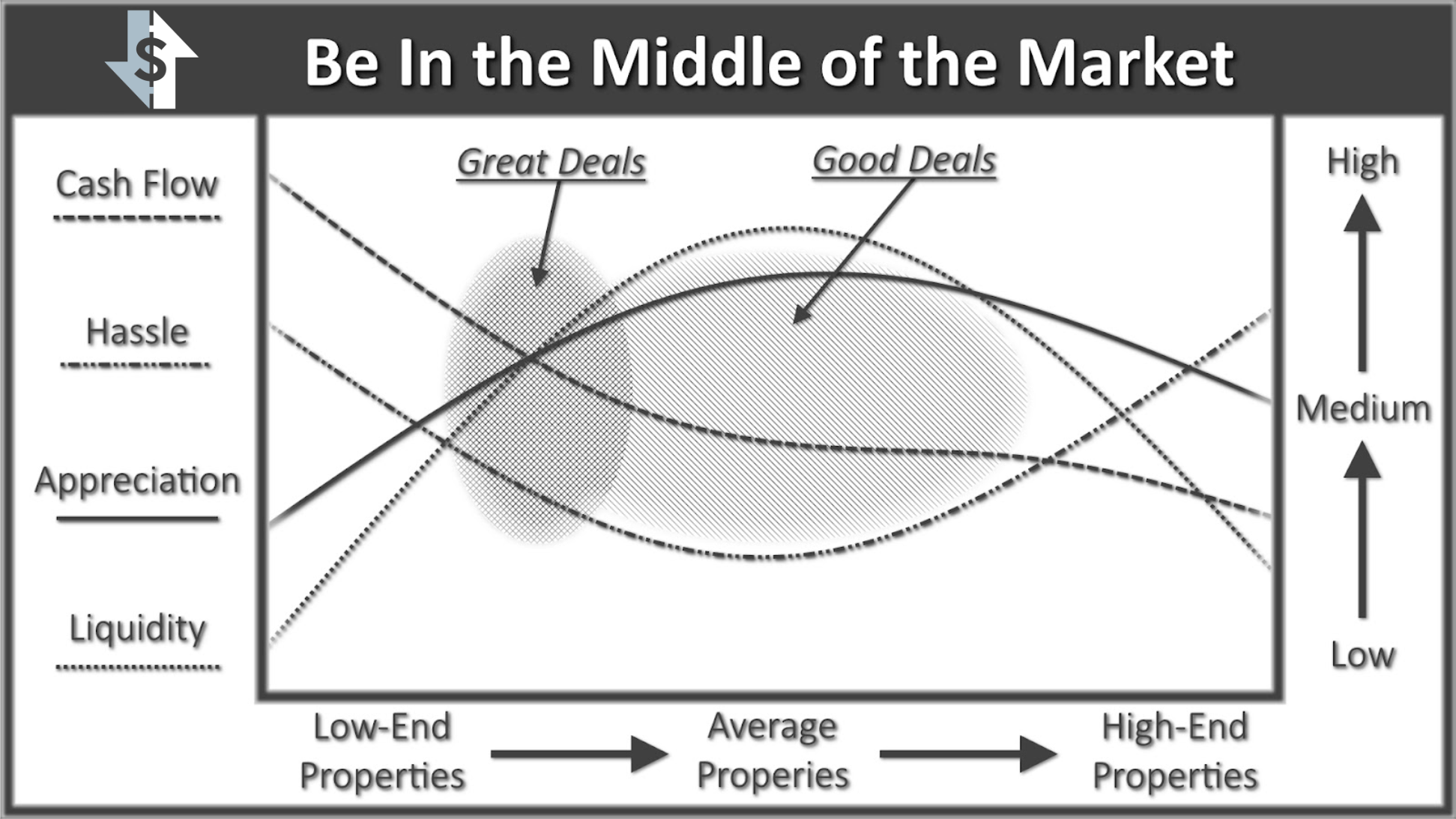
For these alternative investments, the sweet spot is often in the middle between the different asset classes – in the working-class neighborhoods that attract middle-class families. These areas have a good mix of home prices (not too expensive) and tenant quality (generally good) and will attract longer-term tenants who are not interested in destroying your home.
To build a diversified portfolio, you can invest in different markets rather than alternative asset classes.
Below is a breakdown of the multiple asset classes:
Multifamily Property Asset Class
- Class A: New construction, luxury apartments, command highest rents in the area, high-end amenities (full-service gym, pools, dog parks, etc.)
- Class B: 20-30 years old, well-maintained, little deferred maintenance, often appealing to working-class tenants.
- Class C: Older kitchens and bathrooms, some deferred maintenance (peeling paint, older roofs, etc.)
- Class D: You can see the neglect from far away, no amenity package, low occupancy, and a lot of deferred maintenance (units are dated)
Neighborhood Asset Class
- Class A: most affluent neighborhood, expensive homes nearby, maybe have a golf course
- Class B: middle-class part of town, safe neighborhood
- Class C: low-to-moderate income neighborhood
- Class D: high crime, very bad neighborhood
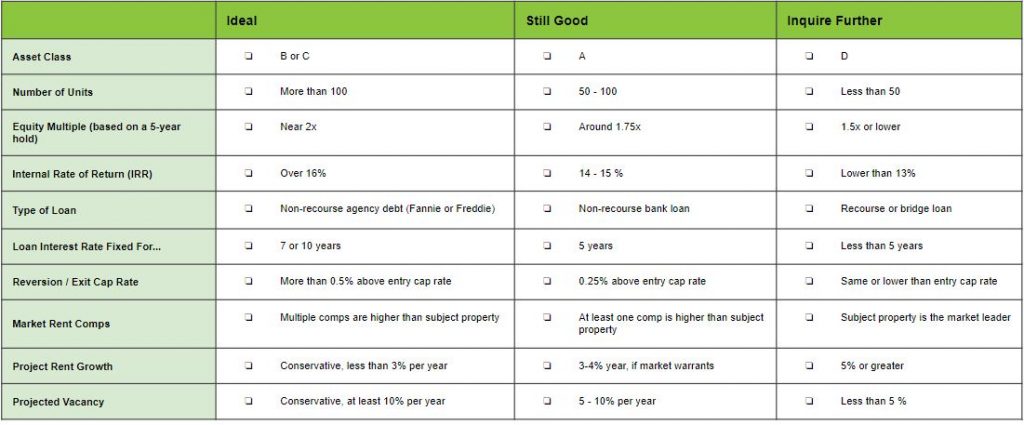
To sum it up the alternative investment table below gives a general overview of what the ideal investment objectives look like on an underlying asset for your investment portfolio.
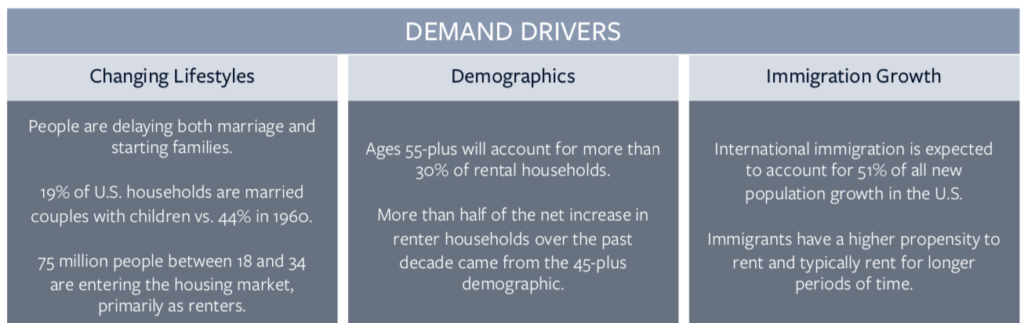


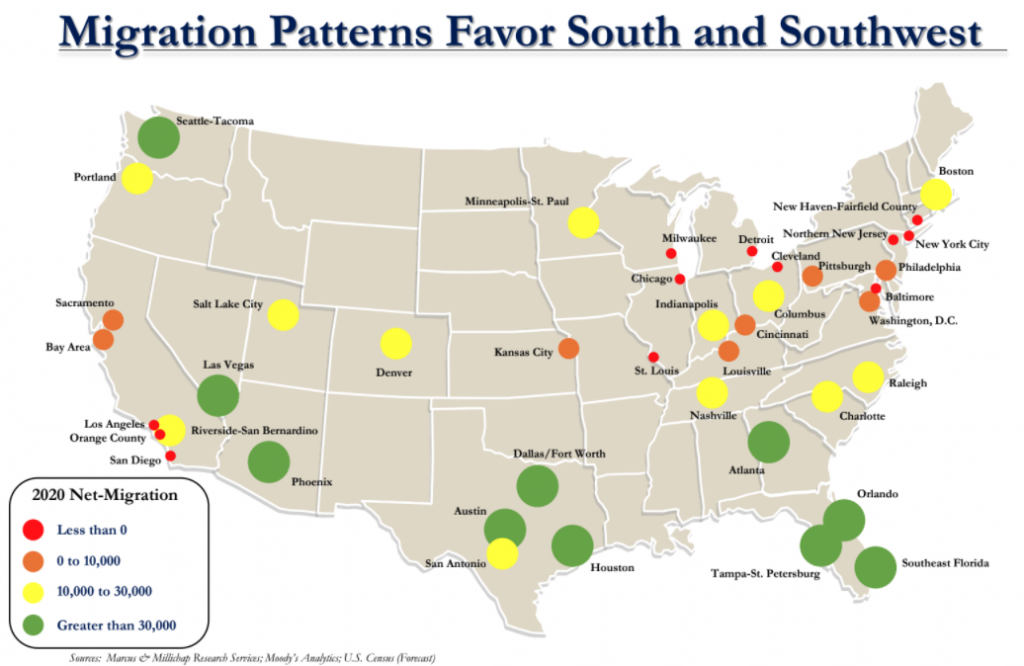
My Investment Fundamentals:
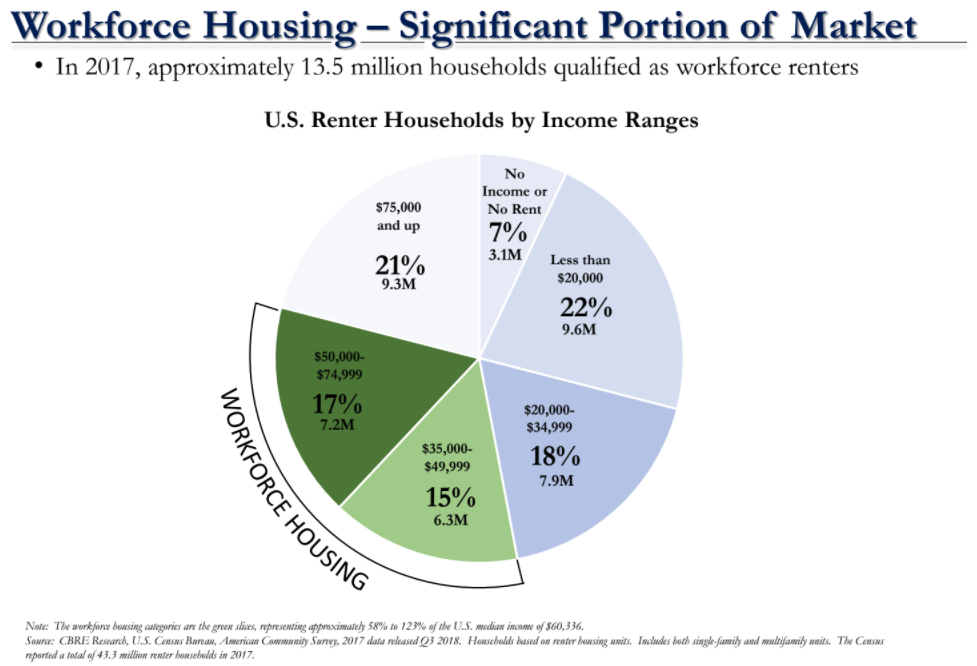
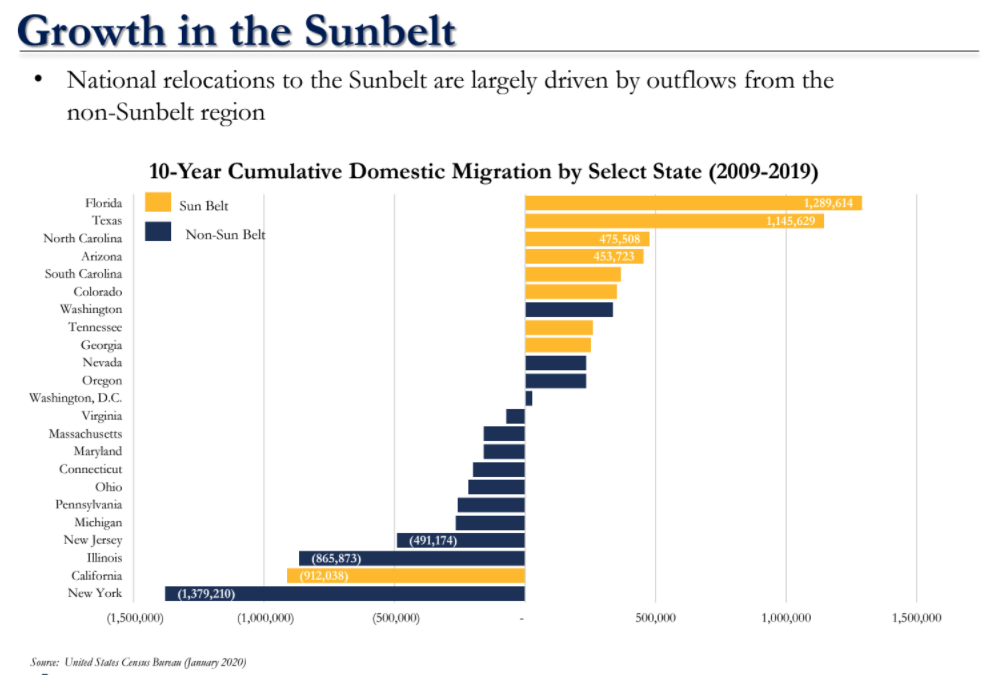
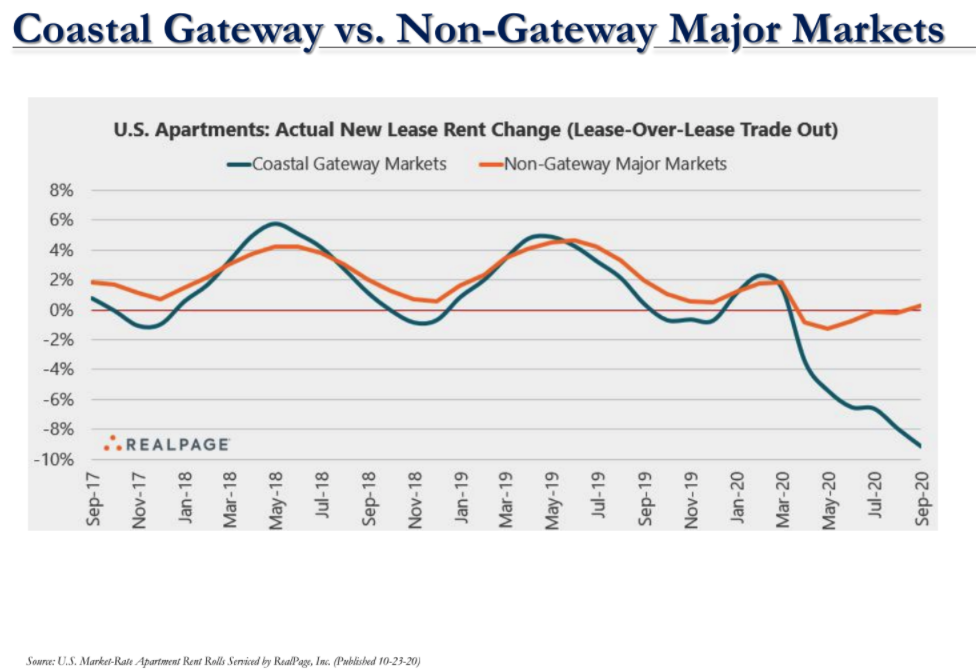
Workforce Housing & Emerging Markets
Talk it through with us
Questions on “Asset Classes” as you look at real deals? Join The Wealth Elevator investor community and bring them to your onboarding call.
Join the club and book your onboarding callJoining is free.

The podcast behind this course
The Wealth Elevator Podcast
Lane's show for accredited investors on passive syndications, taxes and alternative investments. Many of the lessons in this course started as episodes.
Listen on Apple PodcastsWatch on YouTube