


Things to Complete in Your Syndication Due Diligence:
When evaluating a real estate syndication deal as a passive investor, a thorough due diligence process is your first layer of protection. Whether you’re new to passive real estate investing or you’re an experienced accredited investor, this checklist will guide you in reviewing everything from the Private Placement Memorandum to the operating agreement and syndication sponsor.
- Summarized Real Estate Due Diligence Checklist – Lane’s Google Doc – feel free to download it and tailor it on your own, adding notes. Also, compare with other limited partners, and point out different viewpoints with other non accredited investors or accredited investors in your network.
- Initial Review, Meeting, Marketing Material, Legal, Other, People, Operational, Investment Process, Performance

Diversification Equals Less Due Diligence
Multiple Investors often start by investing in a crowdfunding website syndication opportunity with a 1-5k minimum investment. The thought process might make sense logically but the I have discovered that the deals are on those websites because the sponsor/operator cannot raise the money on their own and they are fishing for new potential investors with a RegD506C deal which allows the operator/syndicator to generally solicit (Accredtied only) on Crowdfunding websites. The Crowdfunding website acts as a broker-dealer and charges the operator/syndicator fees for capital raised.
As a syndicator, I inquired because I was naturally interested but discovered that those fees were very high, the Crowdfunding website’s due-dilligence was non-existence other than a few celebrity names that likely paid to be on their selection/board of members, and I was not going to access the list of investors to bring over to my future list of potential investors. The idea of Crowdfunding is a great idea, but I feel it is still in its infancy, and I would not go to invest as a limited partner. In the end, as an LP, I would like to personally know who the operator is as opposed to having a middleman in there.

Remember, this is a people business, and you are working with people/operators and not institutional Wall Street companies. The Wealth Elevator method is to grow your network with other pure passive investors, to find out who to invest with, and more importantly…
Who to stay away from!
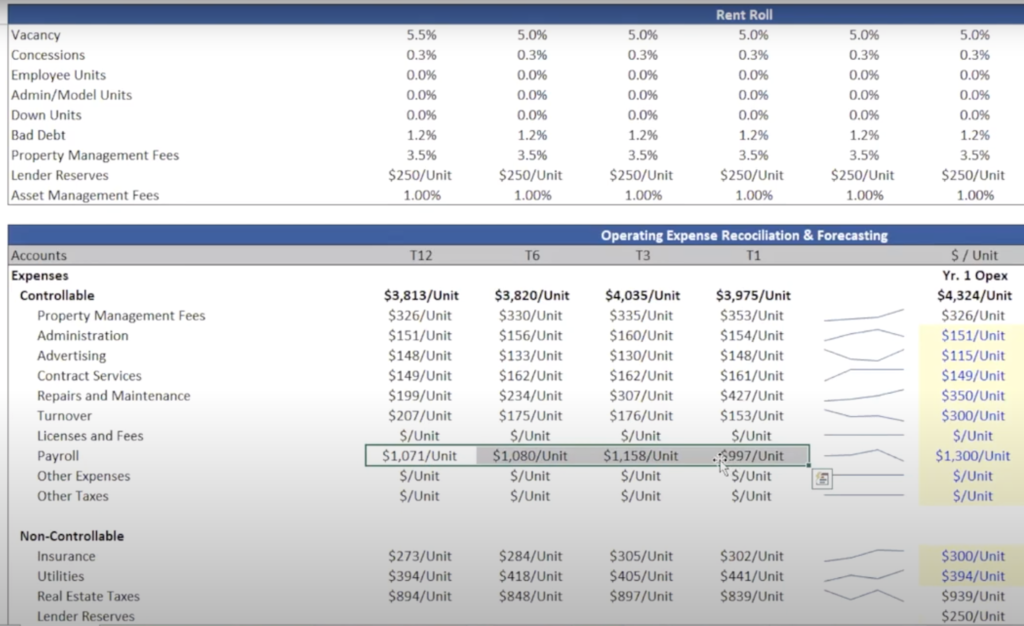
As an LP, you will likely not be an underwriting specialist. For example, dig into every line of income and expenses and decide if it’s adequately estimated. The most astute LPs (with operator experience) might spot check that the annual operating expenses are over $4,000/year a unit.
Talk it through with us
Questions on “LP Due-Diligence” as you look at real deals? Join The Wealth Elevator investor community and bring them to your onboarding call.
Join the club and book your onboarding callJoining is free.

The podcast behind this course
The Wealth Elevator Podcast
Lane's show for accredited investors on passive syndications, taxes and alternative investments. Many of the lessons in this course started as episodes.
Listen on Apple PodcastsWatch on YouTube