
From Real Estate to Venture Capital
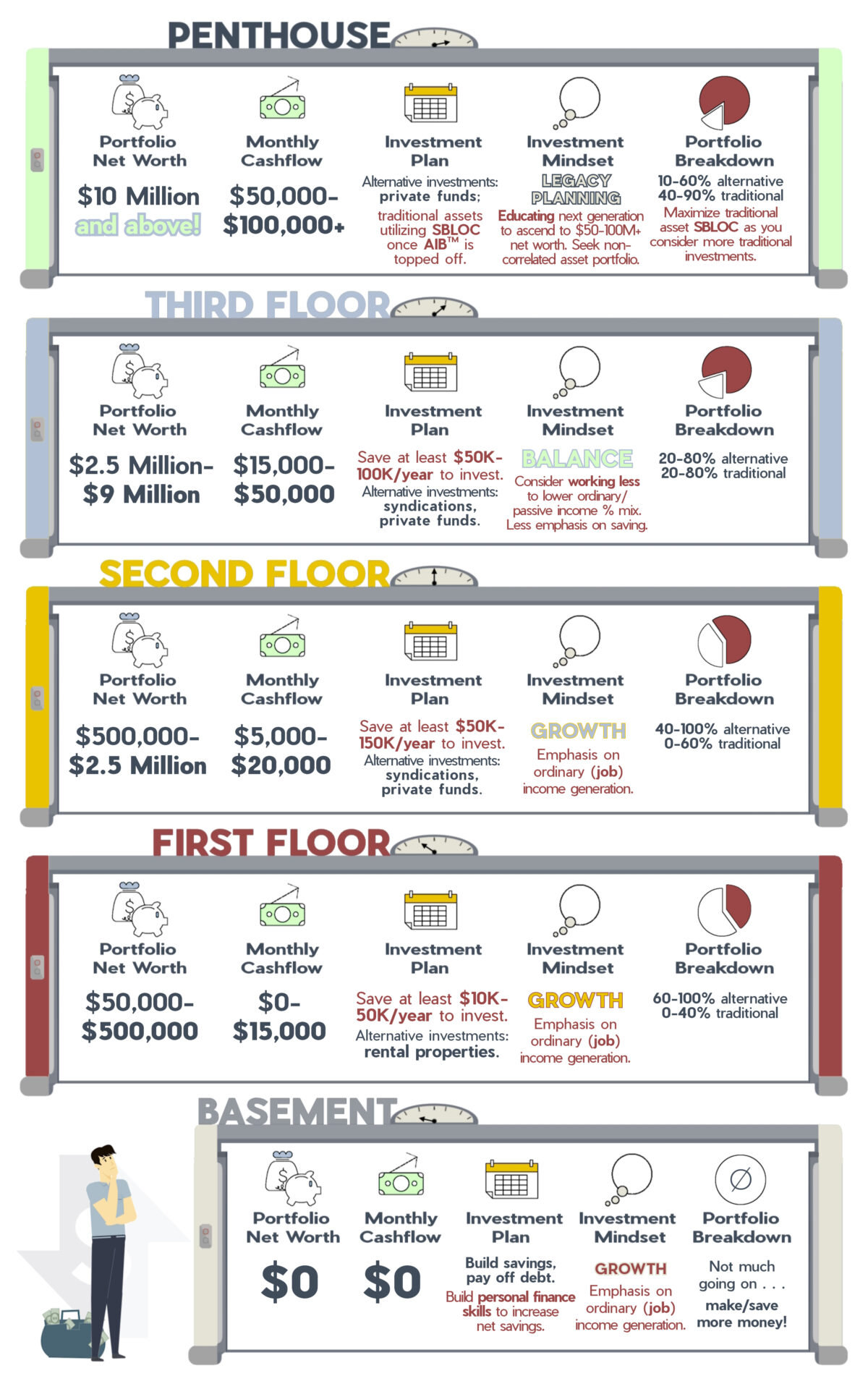
Let’s start with the basics. We typically recommend that new potential investors begin to improve their investment thesis with existing businesses that have tangible assets, such as real estate, that focus on adding value to real estate properties before moving into venture capital. As we move towards more complex investment opportunities like VC investing in AI startups, angel investing in a portfolio company, or private equity to fund a potential investment opportunity, which are generally suited for more seasoned investors, we go into areas ideal for individuals with a higher net worth, typically those who have reached at least the second or third level in The Wealth Elevator.
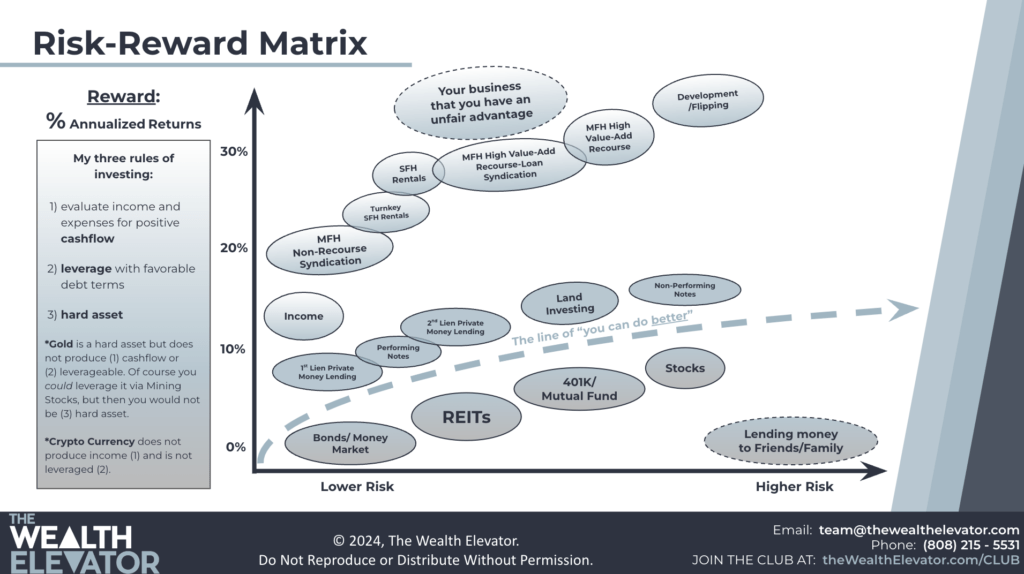
We begin with a few diagrams that provide a foundation for our discussions. While we’ve touched on these previously and won’t delve deeply today, the first diagram simplifies the risk-reward dynamics within the real estate sector. The second diagram broadens the scope to include investments beyond real estate, showing how these different investment realms interact.
These two worlds converge, illustrating the interplay between venture deals, angel investing, and the real estate industry.
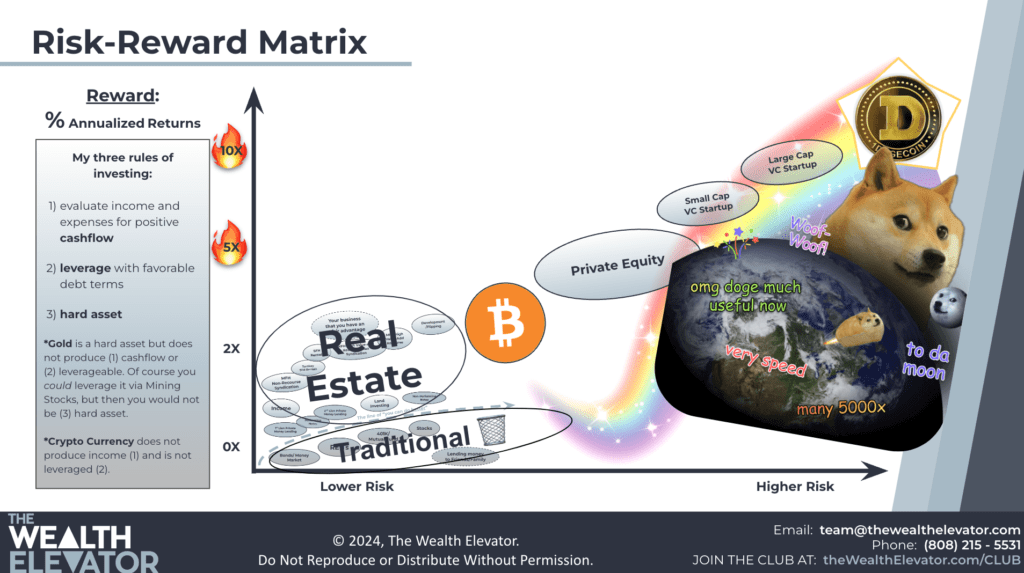
The potential rewards of venture capital investing are significantly higher, though the venture capital industry comes with considerably greater risk. Venture capitalists understand the risk, which is why they typically operate as a venture capital firm that allows them to build a diversified portfolio and have a strong deal sourcing pipeline. Many would agree that the returns can be much more substantial, especially when you observe the scaling differences highlighted in the last two diagrams. One diagram measured returns on a percentage basis, while the other depicted them in terms of equity multiples.
However, it’s important to recognize that in the realm of venture capital and angel investing, there’s a widely acknowledged risk of losing your entire principal investment. This loss can occur anywhere from half the time to as much as 99% of the time, making it a highly asymmetric investment approach. As an individual investor, your small contribution to a venture capital fund would give you exposure to the outsized upside.
But at the same time, that is where the fame and fortune are! See below:
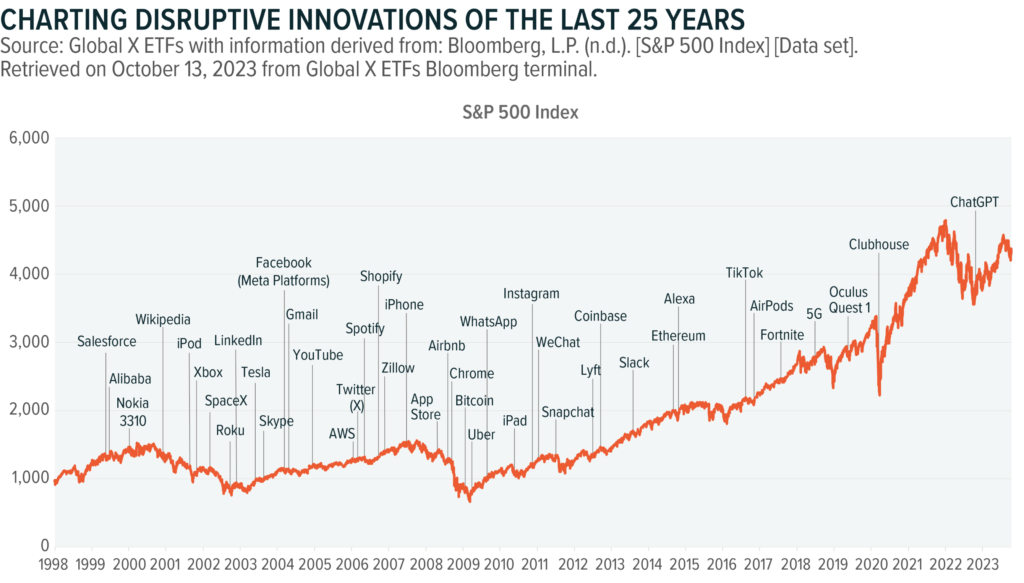
It is extremely difficult to determine which venture capital investment will have a promising startup that will shoot for the moon or fall flat on its face – some will say that saying that you can is total BS and a sign of a lack of self-awareness. Unless you are the startup founder (with still partial control of your destiny), diversification with a pool of these assets is the recommended path forward in the venture capital industry.

Talk it through with us
Questions on “Moving into Venture Capital” as you look at real deals? Join The Wealth Elevator investor community and bring them to your onboarding call.
Join the club and book your onboarding callJoining is free.

The podcast behind this course
The Wealth Elevator Podcast
Lane's show for accredited investors on passive syndications, taxes and alternative investments. Many of the lessons in this course started as episodes.
Listen on Apple PodcastsWatch on YouTube