


Initial Review
Typically, the due diligence process starts with an initial document review to glean the basics and relevant information to see if it’s worth taking the meeting. For my review process, I generally start with the tear-sheet/one pager, presentation, and deal webinar. Every investor has their own limiting criteria for their review process, but depending on the investor, some will pass right away due to factors such as:
- Size of Fund or Single Asset Offering
Some investors want the sense of ‘safety’ from a large fund’s diversification, while others prefer a smaller set of individual assets to vet due to their higher return potential and easier document management. Be careful of “hot-dog” funds where garbage assets are packaged into the larger fund and may include irrelevant documents masking underperforming assets. - Poor Track Record or (lack thereof)
Many institutions and investors who are experienced document reviewers require 3 years of track record or a ‘portable’ track record from a manager’s previous firm in order to get comfortable with their historical ability to perform. This can include deals going full cycle to exit. Documentation of a flawless track record is not needed, nor is really realistic. Some relevant information I would like to see is some sort of lessons learned analysis from troubled projects. - Lack of Credible Third-party Service Providers
A good sponsor has a team of legal professionals and contract attorneys for document production to maintain regulatory compliance and mitigate risk. Third-party service providers are the checks and balances on a manager’s operations. Investors do not get compensated for taking on unnecessary operational risks, so if we don’t see auditors, administrators, credible legal professionals, and prime brokers in place, we will pass immediately. I personally put a lot of emphasis on the world of dis-interested parties that have invested with someone in the past, which requires strong higher-level networks and relationship building.

- Poor quality of investor communication
If the communication from managers is sparse or uninformative, it is tough to get comfortable with a strategy. As part of my legal document review process, I generally like to see monthly performance updates with quarterly commentary. Larger funds can be more difficult to do this, which is why I like single asset deals so I can underwrite them, and tracking the financials is a lot easier because it is not commingled with multiple assets. For larger or multi-asset funds, you can consider using document review software to manage and track updates across multiple documents efficiently. - Unfavorable Strategy for Market Environment
The business plan needs to make sense. One overlooked area in the document review process is the alignment between debt strategy and the business plan. If you find during the documentation review that the occupancy is under 80% and a lot of value add budget is accounted it may not make sense to do a long-term loan. If there is a 92% occupied stabilized property with light value add using a bridge loan you might want to dig in and ask why (if not the reason might be simply because the operator could not qualify for agency debt and would not make the 5 year sale at exit project create enough returns to entice passive investors… therefore they needed to show a refinance in year 2 to show a decent proforma.
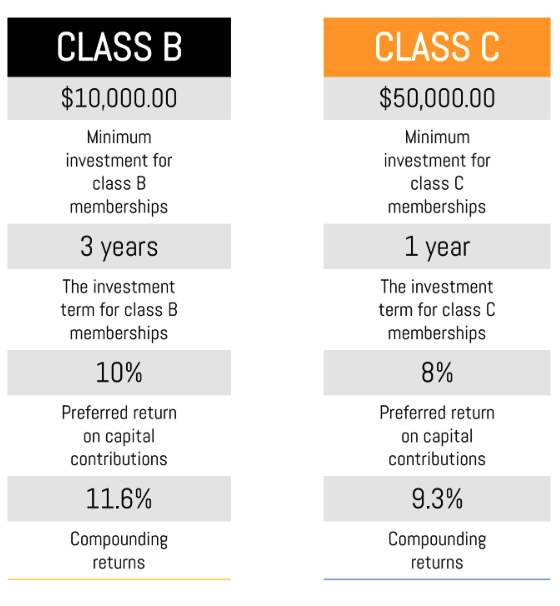
This does not have to do with the deal (on the project level), which is what we evaluate first. Secondly, we evaluate the payout structure/split/fee. In this case, there are different splits for those who invest larger amounts.
Talk it through with us
Questions on “Syndication Document Review” as you look at real deals? Join The Wealth Elevator investor community and bring them to your onboarding call.
Join the club and book your onboarding callJoining is free.

The podcast behind this course
The Wealth Elevator Podcast
Lane's show for accredited investors on passive syndications, taxes and alternative investments. Many of the lessons in this course started as episodes.
Listen on Apple PodcastsWatch on YouTube