


Lesson 12 of 19 · 4 min read · 46 min video · Updated November 2026
Module 6.6: Why Real Estate to Pay Less Tax – Part 2
Short answer: Depreciation lowers taxes now, but recapture can come due when you sell. Planning the exit, the timing of gains and whether you qualify for real estate professional status decides how much you keep.
Key takeaways
- Depreciation recapture is taxed when you sell, so plan the exit at the start.
- Cost segregation front-loads deductions; regular depreciation spreads them out.
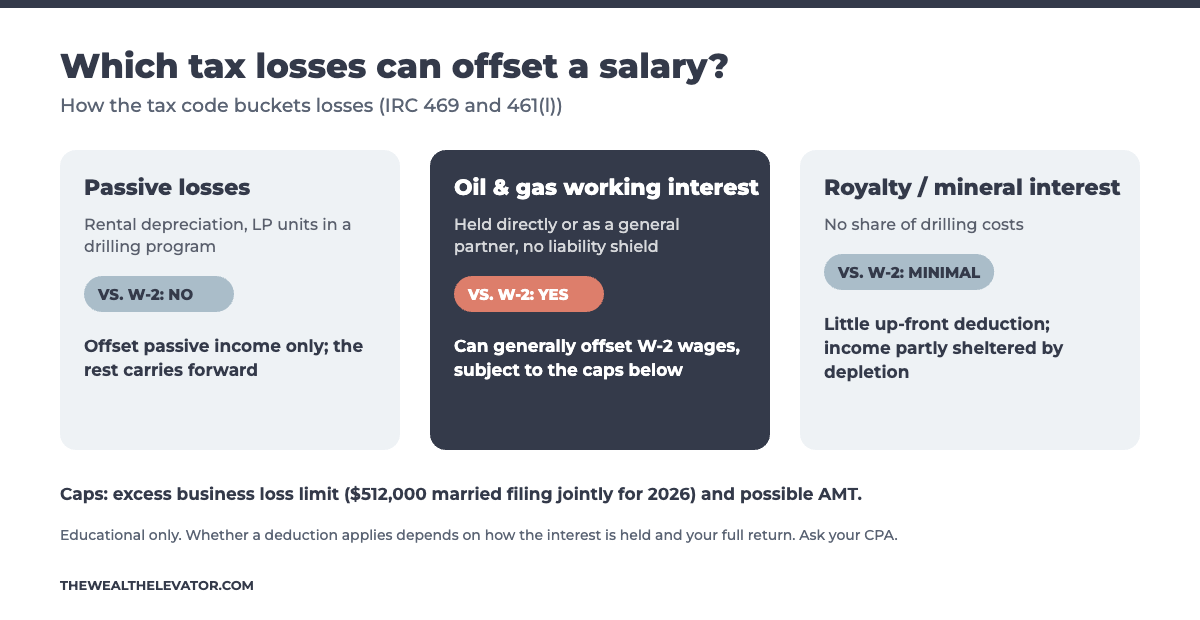
- Real estate professional status lets losses offset ordinary income, but the hour rules are strict and audited.
- A CPA who knows real estate is part of the strategy, not just the filing.
Learn how to mitigate depreciation recapture and maximize your passive income with insights directly from a CPA. Here’s why this section is a game-changer:
- Understand Depreciation Recapture: Learn how to manage tax liabilities when assets are sold, turning potential tax hits into strategic advantages.
- Boost Passive Income Efficiency: Discover how depreciation and passive losses can zero out taxable income, keeping more money in your pocket.
- Actionable CPA Advice: Gain practical insights to navigate complex tax rules, ensuring you’re always one step ahead.
Note: If you are looking to sell other assets like real estate and needing to offset the capital gains? Check out this Masterclass: 8 Ways to Reduce Capital Gains
00:34 Understanding Ordinary vs. Passive Income
01:23 The Power of Depreciation in Real Estate Investing
03:49 Exploring Cost Segregation and Its Benefits
14:10 Navigating Depreciation Recapture and Tax Strategies
16:23 Case Study: Maximizing Returns with Depreciation Strategies
17:58 Advanced Tax Planning: Capital Gains, Recapture, and Income Smoothing
29:38 The Role of a CPA in Real Estate Investment Strategy
31:24 Addressing Common Questions and Misconceptions
33:42 Navigating Real Estate Audits and Passive Losses
34:14 Syndication Deals and Rental Property Strategies
34:31 Accelerated vs. Regular Depreciation: A Comparative Analysis
36:54 Lowering AGI and Capital Gains Taxes: Strategies and Implications
37:54 Unlocking Real Estate Professional Status: Requirements and Benefits
40:53 Real Estate Professional Status: Detailed Qualifications and Strategies
43:03 Logging Hours for Real Estate Professional Status: Tips and Audit Insights
46:17 Understanding Passive Activity Losses and Tax Implications
2026 tax law update
100% bonus depreciation is permanent for qualified property acquired and placed in service after January 19, 2025 (IRS Notice 2026-11). Real estate professional status requires more than half your working time and more than 750 hours a year in real property businesses where you materially participate; see IRS Publication 925, Passive Activity and At-Risk Rules. Recapture of real estate depreciation is generally taxed at up to 25%; see IRS Topic 409, Capital Gains and Losses.
From my own investing
"Shouldn't I pay at least some taxes?"
One year I paid almost no taxes, and I asked my CPA whether I should at least pay some, since below a couple hundred thousand of income the rates aren't that high. He'd noticed what I was doing with syndications and said to take the tax savings now. That's the kind of question worth asking a CPA who understands real estate. Your situation will be different.
Talk it through with us
Recapture and exit planning are easier to get right when you hear how others handled their sales.
Join the club and book your onboarding call
Joining is free.

The podcast behind this course
The Wealth Elevator Podcast
Weekly conversations on passive real estate, alternative investments and tax strategy for busy professionals.
Listen on Apple PodcastsWatch on YouTubeThis is educational content, not tax or legal advice. Please let us know if you need a referral to 💼 CPA ⚖️ Lawyer or other vendor here.
This content is provided for informational and educational purposes only and does not constitute an offer to sell or a solicitation of an offer to buy any security. Investing involves risk, including loss of principal. Past performance does not guarantee future results. Read the full disclaimer.