Module 3: REI Fundamentals and Why Apartments?
This module is your crash course on mastering the essentials of real estate investing, focusing on rental properties and multifamily apartments. Whether you’re new to real estate or looking to sharpen your knowledge for syndicated deals, this session sets the stage for confident investing. You’ll learn:
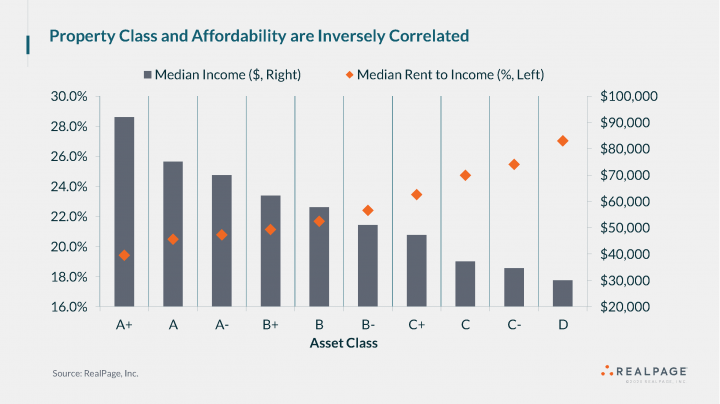
- Property Grading & Sweet Spots: Understand Class A, B, C, and D properties, and why “Workforce Housing” is the sweet spot for cash flow and recession resilience.
- Hidden Costs & ROI Insights: Dive into capital expenditures, vacancy rates, and the math behind value-add projects to boost rents and property value.
- Neighborhood Classes: Decode how location impacts risk and returns, plus tips to spot thriving areas using crime maps and local data.
04:47 Understanding Property Classes and Neighborhoods
08:14 Challenges and Strategies in Property Management
13:53 Value-Add Strategies and Renovations
18:32 Market Trends and Investment Strategies
24:41 Multifamily Apartments and Investment Insights
44:04 Conclusion and Next Steps