Module 2.1: Why Cashflowing Real Estate?
This module dives into why cashflowing real estate is one of the most reliable ways to build wealth while leveraging your money effectively. You’ll discover how real estate works in four powerful ways to grow your income and net worth:
- Equity Buildup: Let your tenants pay down your mortgage while you build wealth passively.
- Tax Benefits: Unlock incredible tax advantages through depreciation and passive activity losses.
- Appreciation: Leverage real estate growth to multiply your returns significantly.
- Cashflow: Generate consistent income through smart property management and value-add strategies.
By the end of this session, you’ll understand why cashflowing real estate isn’t just an investment—it’s a proven wealth-building engine that outpaces traditional methods.
Buy cash-flowing turnkey rentals here >>
00:02 Four Ways to Make Money in Real Estate
01:26 Equity Buildup Explained
02:11 Tax Benefits of Real Estate
03:41 Common Financial Misconceptions
05:41 Personal Experiences and Strategies
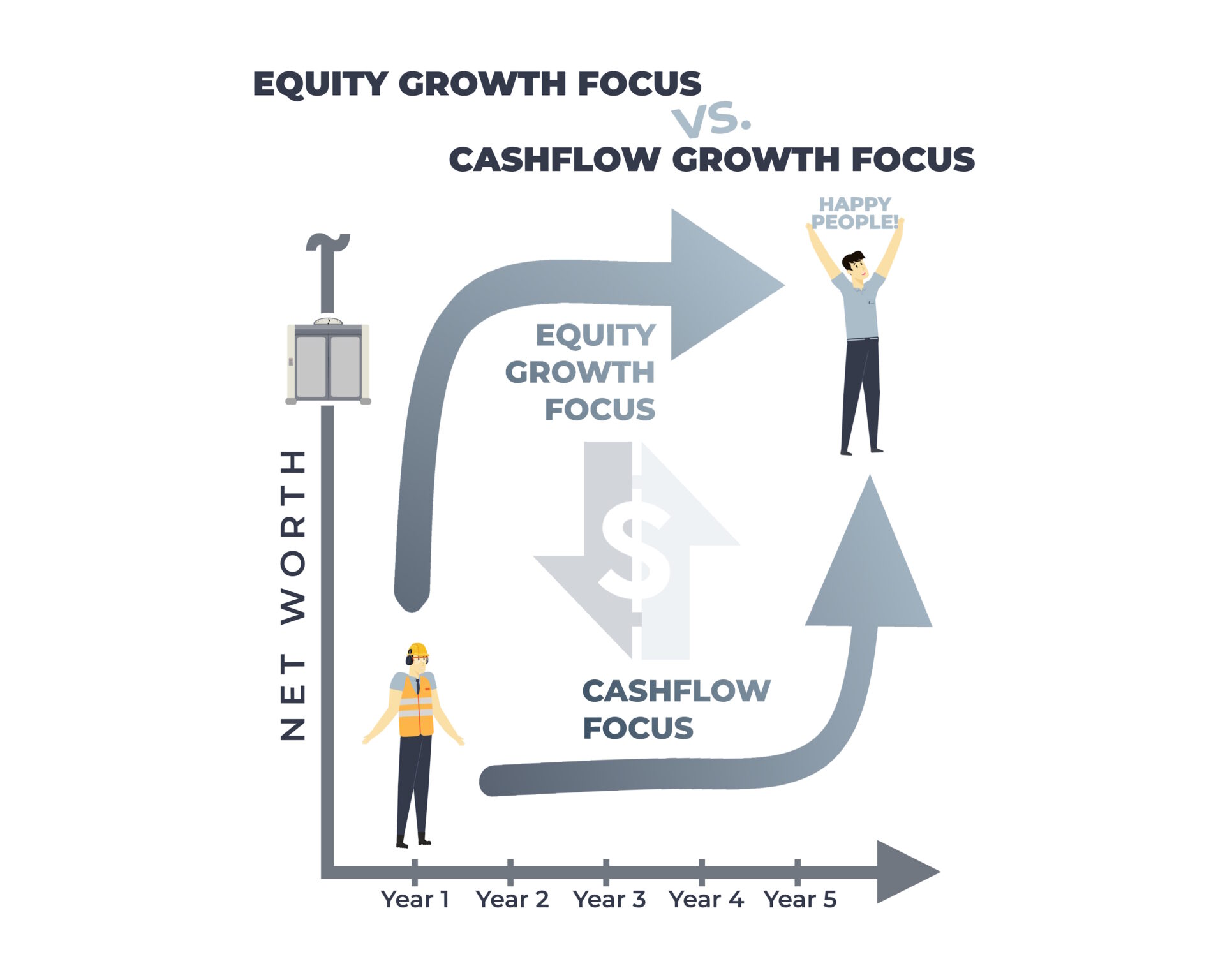
06:47 Cash Flow vs. Equity Growth
09:22 Alternative Investments vs. Traditional Investments
14:21 Conclusion and Final Thoughts