The Wealth Elevator Podcast cover art The Wealth Elevator Podcast
Apple Podcasts · YouTube

Join the club

Lesson 5 of 19 · 4 min read · about 1 hr video · Updated November 2026

Module 4: Understanding Accredited Investors and Syndication Offerings

Short answer: Most private syndications are offered under SEC Rule 506(b) or 506(c) to accredited investors. Individuals generally qualify with income over $200,000 ($300,000 joint) in each of the last two years, or net worth over $1 million excluding their home.

Key takeaways

  • 506(b) offerings rely on a prior relationship; 506(c) offerings can be advertised but require verified accredited status.
  • Accredited status can come from income, net worth, or certain securities licenses.
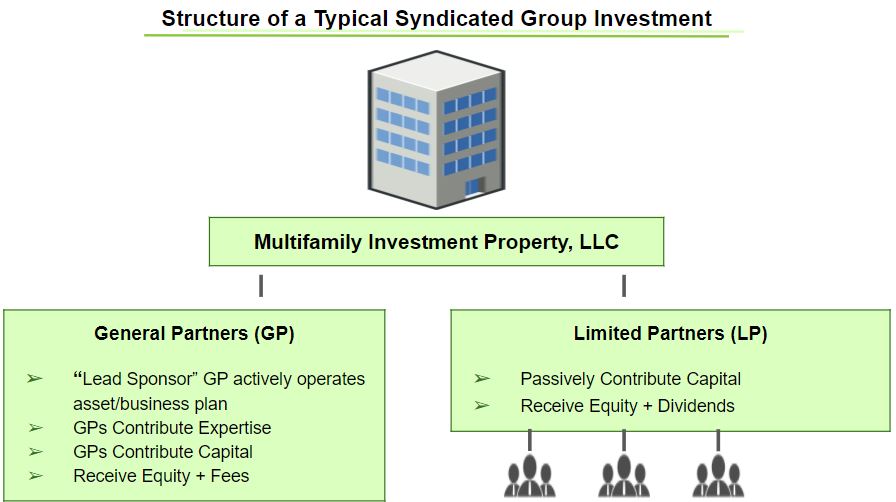
  • In a syndication, the general partner runs the deal and limited partners invest passively.
  • Vet the operator first. Red flags in the people matter more than the spreadsheet.

Unlock the keys to high-level investing in syndications, where passive income and scalable wealth-building truly begin. In this module, you’ll discover what it means to be an accredited investor, why these exclusive “country club deals” have become more accessible, and how to strategically align your investments for exponential growth. Here’s why you can’t skip this section:

  • Clarity on SEC Rules: Master the difference between 506(b) and 506(c) offerings and how they affect your investment options.
  • Practical Steps: Learn simple strategies to get accredited and confidently navigate the world of syndications.
  • Avoid Costly Mistakes: Spot red flags in operators and offerings to protect your hard-earned capital.

02:01 506B and 506C Offerings Explained
03:43 Legal and Financial Considerations
06:56 Navigating the Investment Landscape
22:55 The Evolution of Wealth Building
33:49 Understanding the New Investor Mindset
34:09 The Importance of Community for Investors
35:13 Cash Flow vs. Equity Growth
38:06 The Role of Experience in Investment Decisions
41:22 Real Assets vs. Stocks
45:43 The Concept of Return on Equity
48:52 The Benefits of Syndications
55:35 The Importance of Diversification
01:00:58 Building a Network and Community


Accredited investor rules

The SEC's tests for individuals: income over $200,000 in each of the last two years ($300,000 with a spouse or spousal equivalent) with the same expected this year, or net worth over $1 million excluding your primary residence. Holders of a Series 7, 65 or 82 license also qualify. See the SEC accredited investor guide.

Structure of a typical syndicated group investment: general partners and limited partners in a property LLC
How a syndication is structured: general partners and limited partners.

From my own investing

I wasn't accredited either

It wasn't that long ago that I was a non-accredited investor myself. When you're not accredited, you're mostly limited to buying little single-family homes, so I have a soft spot for people who aren't there yet. Today most people who come to our events are in their late 40s to early 60s, but plenty of them started out the same way.

Talk it through with us

Your first syndication goes better when you can ask other investors what they look for.

Join the club and book your onboarding call

Joining is free.

The Wealth Elevator Podcast cover art

The podcast behind this course

The Wealth Elevator Podcast

Weekly conversations on passive real estate, alternative investments and tax strategy for busy professionals.

Listen on Apple PodcastsWatch on YouTube

This is educational content, not tax or legal advice. Please let us know if you need a referral to 💼 CPA ⚖️ Lawyer or other vendor here.

This content is provided for informational and educational purposes only and does not constitute an offer to sell or a solicitation of an offer to buy any security. Investing involves risk, including loss of principal. Past performance does not guarantee future results. Read the full disclaimer.