The Wealth Elevator Podcast cover art The Wealth Elevator Podcast
Apple Podcasts · YouTube

Join the club

Lesson 8 of 19 · 5 min read · Updated November 2026

Module 6.2: Rethink Retirement Plan

Short answer: Qualified retirement plans defer tax and lock up money until later. For high earners, building cash flow outside those plans can offer more flexibility and better use of real estate tax benefits.

Key takeaways

  • Retirement plans defer tax; they don't eliminate it, and future rates are unknown.
  • Money inside a 401(k) or IRA can't use depreciation or passive losses.
  • Flexibility matters: early withdrawals usually carry penalties.
  • Make tax planning a yearly habit and pick advisors who understand alternative investments.

This module will challenge everything you’ve been taught about traditional retirement planning and equip you with strategies to take control of your financial future. Instead of building a “pile of money” for later, learn how to create cash flow streams now. You’ll explore why sticking with qualified retirement plans may limit your wealth-building potential and discover actionable alternatives tailored for high-income earners.

Why you can’t skip this module:

  • Taxes: Understand how current tax strategies can save you more today and avoid future tax hikes.
  • Flexibility: Gain earlier access to your money without penalties and create cash flow sooner.
  • Passive Losses: Leverage real estate’s depreciation benefits to reduce your taxable income now.

Lesson summary

In this video I walk through why the standard advice to max out a 401(k), IRA or Roth doesn’t always fit high-income earners. I cover the main drawbacks of qualified retirement plans: the money is locked up until retirement age, early access comes with penalties, and the tax is pushed into a future where rates could be higher. I compare that with building cash flow now from money you hold outside those accounts, where real estate depreciation can create passive losses that offset passive income today. The last part covers tax planning as an ongoing habit, and why the people you take advice from matter as much as the accounts you use. Talk with your own CPA and advisors before changing how you save for retirement.

This is educational content, not tax, legal, or investment advice. We are not attorneys, CPAs, or financial planners.


2026 limits

For 2026 the 401(k) employee contribution limit is $24,500 ($8,000 more if you are 50 or older, and $11,250 for ages 60 to 63), and the IRA limit is $7,500. See the IRS 2026 retirement plan limits.

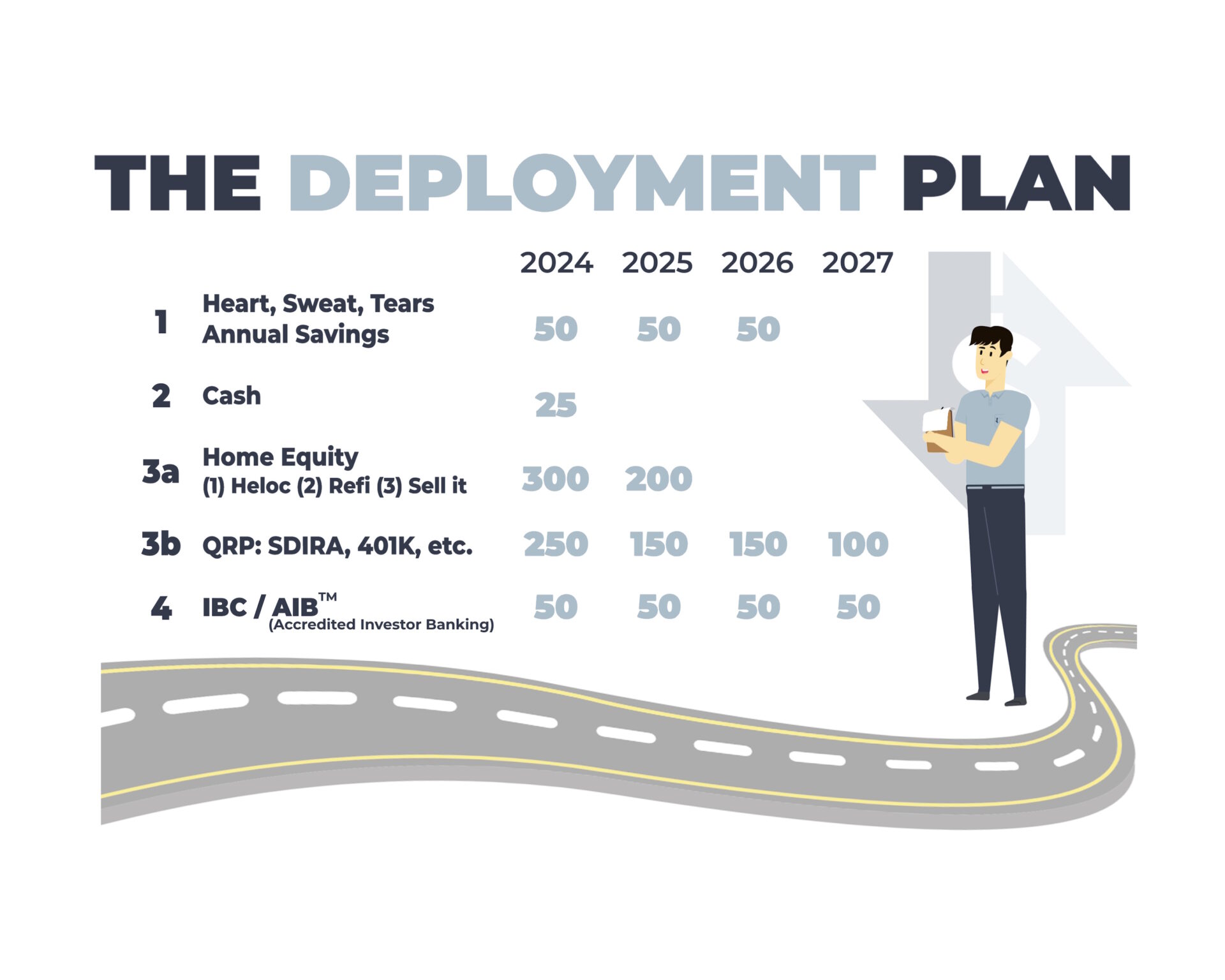
The deployment plan: yearly savings, cash, home equity and retirement accounts deployed into investments
The deployment plan: where the money for investing comes from, from the book. Illustrative, not a projection.

From my own investing

My $40,000 IRA lesson

Back in 2012, I decided to invest my self-directed IRA funds. I asked the IRA custodian I'd met at a real estate expo to recommend a general partner, and I put about $40,000 with the operator they named. That GP lost every cent. The referral came from a sales guy who wasn't an investor himself. Back then I didn't know anyone who invested in syndications, so I couldn't vet him. Now I only work with people who have a solid track record, which is why I created our community: so I'd have a sounding board and lower the chance of this happening again.

Talk it through with us

Retirement plans are personal. Hearing how other high earners structure theirs helps.

Join the club and book your onboarding call

Joining is free.

The Wealth Elevator Podcast cover art

The podcast behind this course

The Wealth Elevator Podcast

Weekly conversations on passive real estate, alternative investments and tax strategy for busy professionals.

Listen on Apple PodcastsWatch on YouTube

This is educational content, not tax or legal advice. Please let us know if you need a referral to 💼 CPA ⚖️ Lawyer or other vendor here.

This content is provided for informational and educational purposes only and does not constitute an offer to sell or a solicitation of an offer to buy any security. Investing involves risk, including loss of principal. Past performance does not guarantee future results. Read the full disclaimer.