
Lesson 9 of 19 · 5 min read · Updated November 2026
Module 6.3: Investment Funding Sources
Short answer: Match the money to the investment: cash usually fits real estate with depreciation and passive losses, while tax-advantaged accounts like self-directed IRAs and Solo 401(k)s may suit assets without much tax benefit of their own.
Key takeaways
- Two colors of money: taxable cash and tax-advantaged retirement accounts.
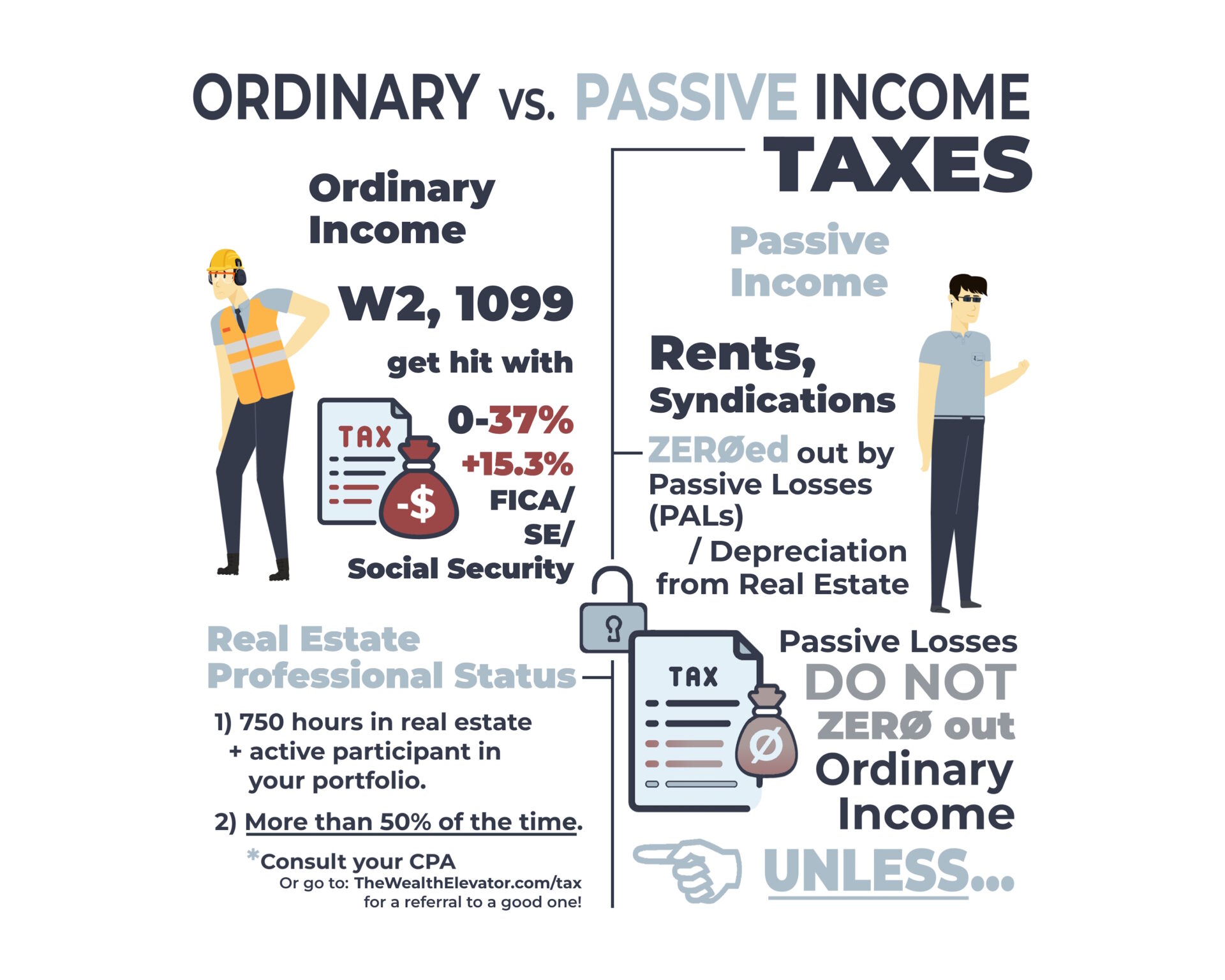
- Depreciation is wasted inside an IRA, so real estate often belongs in cash.
- Self-directed IRAs and Solo 401(k)s can hold private investments, with their own rules and costs.
- The bucket theory splits money between cash flow now and long-term or family goals.
This module unlocks the strategic advantages of leveraging Qualified Retirement Plans (QRPs) for your investments. Discover how to allocate your funds effectively between cash and tax-advantaged accounts to maximize returns, minimize taxes, and plan for your financial future. Here’s why you can’t skip this:
Optimize Tax Savings: Learn how to utilize QRPs for investments with limited immediate tax benefits, while keeping cash for opportunities with high depreciation and passive loss potential.
Boost Long-Term Growth: Uncover strategies to compound returns tax-free with QRPs for asymmetric or speculative investments like crypto or venture capital.
Plan Your Legacy: Understand the “two colors of money” approach to balance cash flow now and legacy planning for the future.
Lesson summary
This video answers a question I get often: which money should go into which investment? I look at self-directed IRAs, Roth IRAs and Solo 401(k)s next to plain cash, and how the type of account changes what makes sense to hold in it. Deals that produce depreciation and passive losses often fit better in cash, where those losses may be usable, depending on your other passive income. Investments with little tax benefit, or speculative ones with a big possible upside such as crypto or early-stage companies, can fit better inside a tax-advantaged account. I finish with my version of the bucket theory: splitting money between what you need for cash flow now and what you are setting aside for later and for your family.
This is educational content, not tax, legal, or investment advice. We are not attorneys, CPAs, or financial planners.
2026 limits
For 2026 the IRA contribution limit is $7,500 and the 401(k) employee limit is $24,500. See the IRS 2026 retirement plan limits. Self-directed accounts have rules on prohibited transactions and debt-financed income, so check with your CPA before using one for private deals.
From my own investing
Two colors of money, city engineer style
When I was a city engineer, we had different funding sources. Utility money could only go to things like pipes and sewers, and general fund money could be used almost anywhere, from sidewalks to streets. Your retirement accounts and your cash work the same way. Personally, I pulled the goalie on my IRA and Roth IRA money early, but everyone's situation is different. If you want to talk through yours, join the club and we can get on a call.
Talk it through with us
Figuring out which money goes where is easier with investors who have set up the same accounts.
Join the club and book your onboarding call
Joining is free.

The podcast behind this course
The Wealth Elevator Podcast
Weekly conversations on passive real estate, alternative investments and tax strategy for busy professionals.
Listen on Apple PodcastsWatch on YouTubeThis is educational content, not tax or legal advice. Please let us know if you need a referral to 💼 CPA ⚖️ Lawyer or other vendor here.
This content is provided for informational and educational purposes only and does not constitute an offer to sell or a solicitation of an offer to buy any security. Investing involves risk, including loss of principal. Past performance does not guarantee future results. Read the full disclaimer.