Networking Guide > Lesson 1
Why Networking Matters for Accredited Investors
Lesson 1 of 4 · About a 6-minute read · By Lane Kawaoka · Updated November 2026
Short answer
Past about $1 million in net worth, most of the better opportunities come through people, not websites. The point of networking at that stage is to find a small group of serious investors you trust, help them first, and keep those relationships for years.
Keeping up your relationships with the people you already know (family, friends, coworkers) is part of a good life. Once you pass about $1 million, relationships also become the currency of the wealthy. But growth happens outside your comfort zone, and meeting new people, the right people, is part of that.
Ask a high-net-worth investor where their best opportunities came from and the answer is usually a person. That is the gap between an average investor scrolling MLS listings or retail crowdfunding sites and a private group of investors who compare notes on operators, tax strategy and what is working for them.
Every hello plants a seed
Whenever you meet someone at an event or a mastermind, or through a random introduction, you are planting a seed. That first hello, short talk or coffee can be how you hear about an Accredited Investor Banking strategy, a tax idea your CPA never raised, or a real estate deal worth a closer look.
Good networking does three things for you:
- It grows your contacts in ways that help your business or career.
- It widens what you know and helps you grow.
- It builds lasting relationships and trust.
Watch: why networking with other accredited investors is critical (35 min, December 2025).
Be willing to be a little vulnerable
Meeting new people means being a beginner in front of strangers. That is uncomfortable for most of us. I am one of the biggest introverts you will meet, so I get it. Po and I talked about why being open about what you do not know builds trust faster than trying to look polished in our episode on the power of vulnerability (18 min).
A lot of successful people are lonelier than they look. If that is you, you are not the only one, and it is a good reason to find your people on purpose.
Watch: Po and I on loneliness among high achievers (27 min, The Rich Life Podcast, February 2026).
From my own investing
When I started moving out of my rentals and into syndications, the first few years were lonely. I went to the local real estate clubs in Seattle and to a bunch of national conferences, and I never found them useful. Most of the people I met were non-accredited house flippers or people shopping for the next guru program.
What changed it was the podcast I started in 2016. Listeners began emailing me to connect, and without planning it we were building a hui, the Hawaiian word for a group that works together. That group grew into the investor community we have today.
Key takeaways
- Past about $1 million, most of the good opportunities come through relationships, not websites.
- Every introduction is a seed. You rarely know which one will matter, so treat each one with care.
- Growth means being uncomfortable, and a little vulnerability builds trust faster than looking polished.
Ask AI about this lesson
Paste this into ChatGPT, Claude, Gemini or Perplexity and fill in the brackets. AI tools can be wrong, so treat the answer as a starting point, not a decision.
I am an accredited investor with a net worth around [amount], and I work as [profession, or recently sold a business]. Using the networking lessons at thewealthelevator.com/home/guides/networking-guide/ as background, help me map my network: who I already know, which kinds of people are missing (peers, people one stage ahead of me, professionals like a CPA or attorney), and three low-pressure ways to meet them in the next 90 days. Do not recommend specific investments or sponsors.
Related reading from the blog
Talk it through with us
Want to meet other accredited investors who are working on the same things you are? Join the club and book your onboarding call with us.
Join the club and book your onboarding callJoining is free.
The podcast behind this course
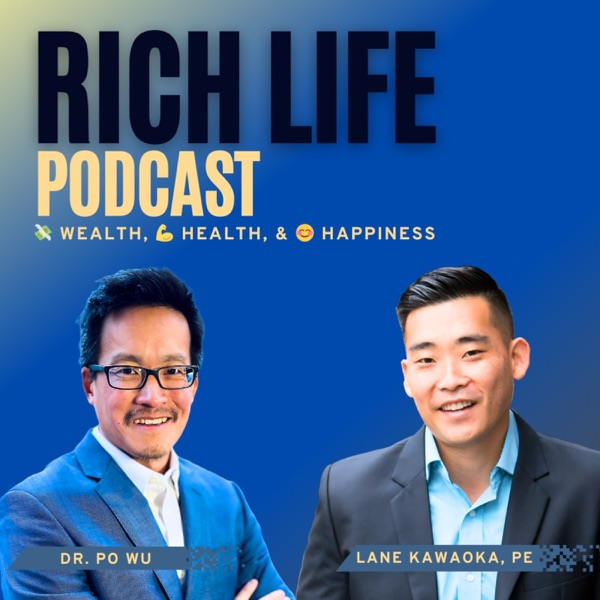
The Rich Life Podcast
Dr. Po Wu and I talk about the parts of a good life that money alone does not fix: friendships, marriage, health and finding your people.
Listen on Apple PodcastsWatch on YouTubeThis is educational content, not investment, tax or legal advice. We are not attorneys, CPAs or financial planners. Private investments are illiquid and carry risk, including loss of capital. Offerings are available only to accredited investors and only through offering documents. Please let us know if you need a referral to a 💼 CPA, ⚖️ lawyer or other vendor here.