


Key Traits
to Cultivate in Your Own Family Office
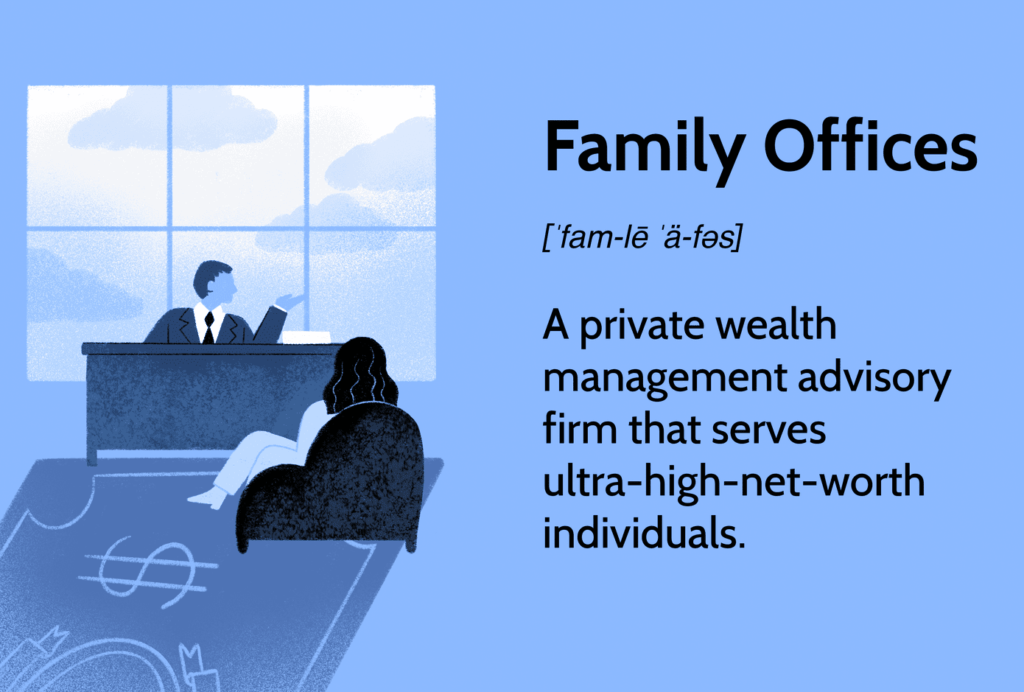
A single family office is only as good as the people running it. So what do you do when you don’t have a $100M or even a $20M net worth to staff one?
Competence and High IQ: The Foundation
First and foremost, competence is the cornerstone trait. You are building something for 100 years but you need to think abstractly to set your family up properly. Prioritize individuals with a high IQ. While this might be a bit controversial in today’s world, the reality is that sharp, intelligent people are necessary to navigate the complexities of wealth management and make informed decisions that will safeguard and grow the family’s assets because if you are not a smart person you will not be able to navigate personal relationships with is the middle of the funnel part of finding deals and positioning your family’s finances in this changing world.
The ability to adapt is another critical trait. The world of finance, law, and investments is in a constant state of flux. A successful family office team member must be able to pivot quickly, adjusting to new regulations, market conditions, or family dynamics without missing a beat. In a world where the only constant is change, adaptability is not just a nice-to-have; it’s essential.
Practical Examples: Navigating the Challenges of Family Office Dynamics
I get a lot of my personal insights from working along wealth families who we have had the fortune of buying their assets as they are divesting parts of their real estate portfolio, I’ve encountered various situations that have tested these traits. One issue I have seen play out is that decisions often require consensus from multiple family members, which can take weeks or even months – one of these times the patriarch was on his death bed and the only informed person was the grieving spouse.
Conclusion: The Right People Make All the Difference
In the end, building a successful family office boils down to having the right people on your team. Competence, obsession, adaptability, focus, and discretion are not just traits—they are the pillars that support the entire structure of a family office. If you’re in the process of building or evaluating your family office team, keep these traits at the forefront of your mind. They will make all the difference.
For more insights into building and managing a successful family office, consider joining communities like the Family Office Ohana Mastermind (FOOM), where you can connect with like-minded professionals and continue your journey toward excellence in wealth management.
Extra Credit: Governance Ideas
Governance is put into place to ensure the State does not go down if you have less than competent/focus offspring or they are not yet there to financial maturity. The following are things to consider when making your own governance systems:
- Create Mission Statement and Vision
- Define the Purpose: Family’s core values and the long-term (100-year, 5/10/15 year) goals for the family office.
- Vision Statement: Direction of the family’s wealth management and legacy.
- Family Constitution
- Roles and Responsibilities: Clearly define the roles of family members versus non-family professionals within the office. Don’t forget on how you treat spouses that marry in, lack of input from these can create negative dissension despite providing protection for the Family Office.
- Succession Planning: Establish a framework for leadership transition.
- Governance Structure
- Family Council: Form a council consisting of key family members to oversee major decisions.
- Advisory Board: Include external advisors for professional guidance in areas like finance, legal, and investments. Give bloodline control not outside advisors/vendors/academics.
- Investment Committee: Establish a committee to make decisions on investment strategy and asset allocation. Give bloodline control not outside advisors/vendors/academics.
- Risk Management Committee: Develop a special committee responsible for assessing and mitigating risks.
- Decision-Making Processes
- Voting Mechanisms: Define how decisions will be made—by consensus, majority, or supermajority voting.
- Dispute Resolution: Create a formal process for resolving disagreements, possibly including mediation or arbitration options.
- Regular Meetings: Schedule regular meetings for the family council, investment committee, and advisory board. Utilize modern electronic methods for private communication, informal connecting, and formal approvals/signings.
- Confidentiality Agreements: Protect family privacy with strict confidentiality policies and agreements.
- Financial Governance
- Investment Policy Statement (IPS): Develop a detailed IPS that outlines the investment philosophy, objectives, risk tolerance, and asset allocation.
- Budgeting and Spending Policies: Set guidelines for family spending, distributions, and reinvestments.
- Reporting Requirements: Establish regular financial reporting and performance reviews, including annual audits. Addepar is a great solution.
- Tax Strategy: Implement a robust tax strategy that aligns with the family’s financial goals. This is the first position to bring in-house as a controller once net worth surpasses 5-10M.
- Risk Management and Contingency Planning
- Risk Management Framework: Identify potential risks (market, operational, reputational) and outline mitigation strategies.
- Contingency Planning: Prepare for unforeseen events with contingency plans, including emergency funds and disaster recovery procedures.
- Insurance Coverage: Ensure adequate insurance coverage for assets, liabilities, and key personnel.
- Human Resources and Talent Management
- Hiring Policies: Define hiring criteria for family and non-family members, including qualifications and background checks.
- Performance Reviews: Implement regular performance reviews and set clear KPIs for all staff.
- Compensation Structure: Develop a competitive and fair compensation structure, including incentives aligned with the family’s goals.
- Training and Development: Invest in continuous education and professional development for family members and staff.
- Philanthropy and Social Responsibility
- Philanthropic Mission: Articulate the family’s approach to philanthropy and social responsibility.
- Charitable Giving Committee: Form a committee to oversee charitable contributions and ensure alignment with family values.
- Impact Measurement: Develop metrics to assess the impact of philanthropic activities.
- Technology and Data Governance
- IT Security Policies: Implement robust cybersecurity measures to protect sensitive family and financial information.
- Data Management: Establish protocols for managing and safeguarding data, including cloud storage and encryption standards.
- Technology Integration: Utilize technology to enhance efficiency, including investment platforms, CRM systems, and communication tools.
- Family Education and Communication
- Family Education Programs: Provide ongoing education for family members on wealth management, financial literacy, and family governance.
- Communication Plan: Create a plan for regular and transparent communication within the family and with external advisors.
- Legacy Planning: Educate younger generations on the family’s history, values, and the responsibilities of wealth.
If you want to build these traits alongside other investors, our free Networking Guide covers how to find your people and help them first.
About the author
Lane Kawaoka, PE, is the founder of The Wealth Elevator and the author of two Amazon bestselling books, The Wealth Elevator and Simple Passive Cashflow. He spent 12 years as an engineer, bought his first rental in 2009, and left his job in 2019. He built his base in real estate and today is a general partner, operator and fund manager working with a community of accredited investors across real estate, oil and gas, and private companies. His track record: $2.1B of past real estate acquisitions, 10,000+ units acquired, 65+ projects, and $230M+ raised.
This site is free education for accredited investors and high-income professionals whose net worth sits mostly in stocks, a 401(k) and a salary. Start with the guides, the podcast or an event.
This is educational content, not tax, legal, or investment advice. We are not attorneys, CPAs, or financial planners. Please let us know if you need a referral to a CPA, lawyer, or other vendor here.
