What to Look Out for in Your Rental Property Home Inspection
Don’t Leave Dollars on the Table
In most cities, a home inspection will cost around $300 – $500 for a single-family home and $500 – $750 for a multi-family property. Getting a rental property inspection can potentially save you tens, if not thousands, of dollars!
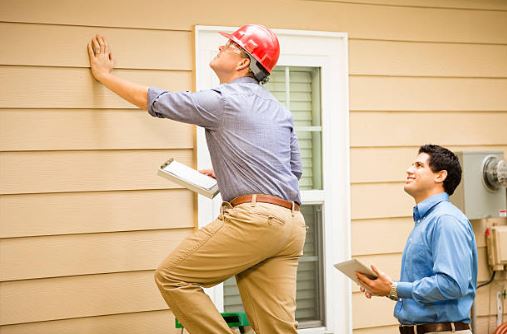
Being present for the rental inspection will give you a first-hand look at the investment property and give you a chance to ask the inspector any questions you may have.
If possible, take a trip to the investment property during the rental inspection, or arrange for a trusted friend/family member or property manager to be there for you.
Even if the rental unit was just rehabbed or even a newly built home, ALWAYS conduct rental inspections. Here is why:
Verify that the turnkey company or previous property owner performed an extensive rehab; don’t just take their word for it.
Check if the rehab follows the required standards, regulations, or code.
There may be foundation, electrical, plumbing, structural problems, or other property maintenance issues that need to be repaired that are unknown or not listed.
At the very least, you might be missing out on $500-5,000 of extra property maintenance and repair dollars that you will discover in the next 1-10 years.
Best Practices – Rental Property Inspection Checklist
Avoid using any turnkey provider if they don’t allow you to have your own independent landlord inspection!
Give the owner proper notice to make sure the electricity, gas, and water are all on so you can fully test all the systems and conduct a thorough inspection, and complete everything on the rental inspection checklist.
Use a Duly Licensed or Certified Inspector; however, not all states have licenses for home inspectors. Although it does not ensure code of ethics and professionalism, look for these associations, such as the national or state trade inspectors associations, such as homeinspectors.org, www.nachi.org, or www.creia.org.
I have been told by many experienced investment property owners that the amount of grey hair your inspector has means a lot in this niche profession. Not saying it is right or wrong, but you might want to check how long the inspector has been in business or how often they conduct regular property inspections. Ideally, they would be ex-contractors who know how folks cut corners.
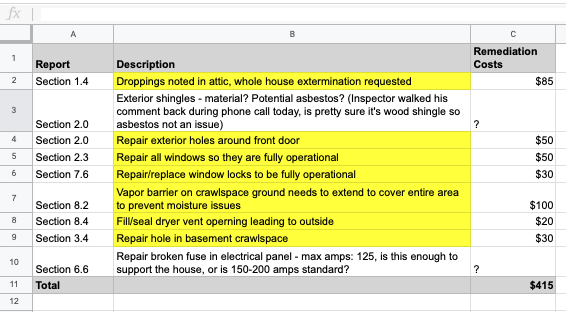
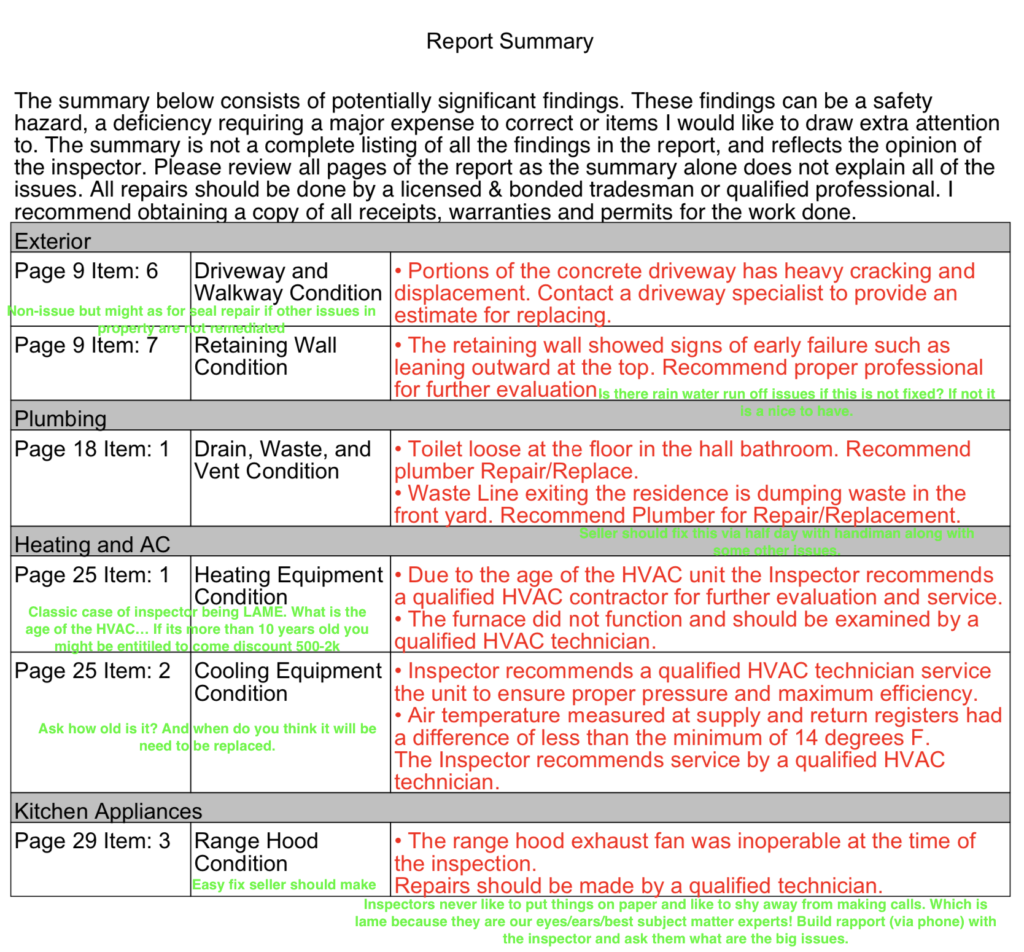
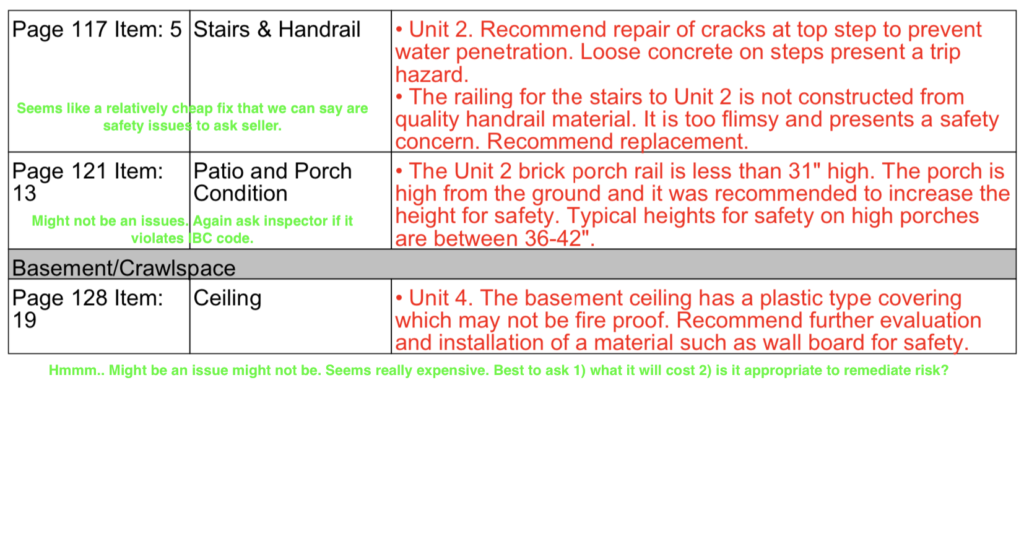
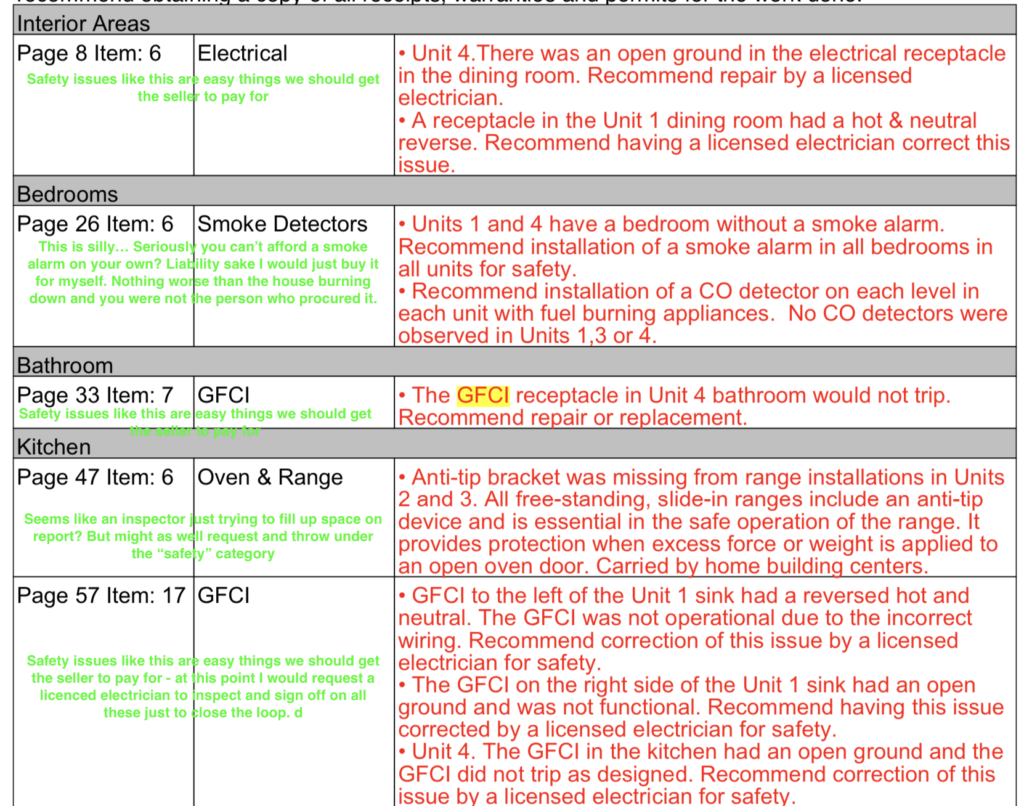
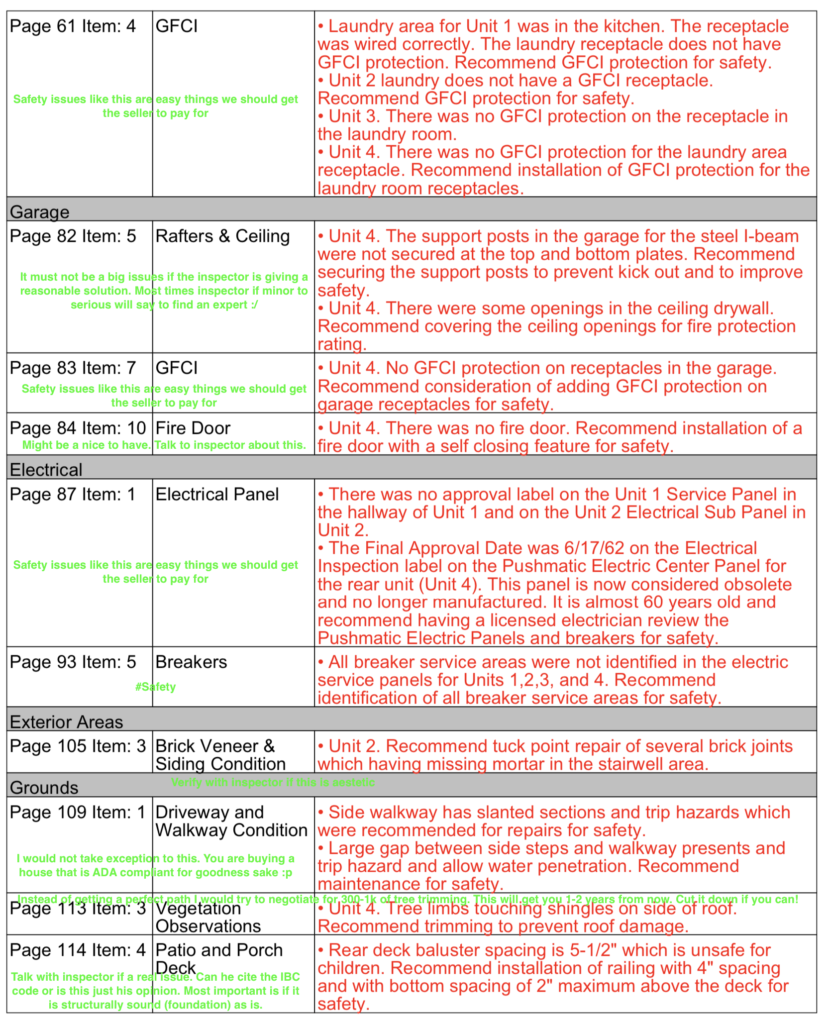
Prior to the landlord inspection, talk to your inspector and have them point out in the report the defects that are out of compliance for a typical asset in this class, major issues (discussed later below), and state clear remedial steps. Remedial steps are super important because that is what you are going to cut and paste into your punch list to request from the seller for repair or reduction in price (re-trade).
Avoid taking a recommendation from your realtor or seller it is a conflict of interest.
I always try to build a relationship and say “Hey I’m buying this as a rental and I know it’s not going to be perfect, but can you let me know of things that are red flags, safety items, and items that will fail on me in the next 5, 10, 20 years?” A home inspector does not need to give you an estimate of each work item on the punch-list, but if you build a relationship with them, they may help you out.
New cabinets, flooring, and windows are all things that, if updated, could mean higher rent. If you are hiring a property manager, invite them to check out the rental unit and get their opinion on ways to increase rent collection.
Create a punch list and write it up to submit to your seller as part of your negotiation. These repair cost estimates above look 50-100% too low, but that’s fine, it’s just a guess. I would also make a column with reasoning, such as “safety” or “will break in year 2-3”.
Use your Property Inspectors (PIs) and Property Management as your eyes and ears (not your broker or seller)
Do You Need Additional Inspections?
Home inspectors will come with disclaimers that they are not experts in every aspect of a home, and will frequently recommend certain items, such as septic tank, plumbing, heating, air-conditioning, mold, radon, foundation, etc., to be inspected by an expert specialist.
Depending on the issues found during the regular inspection, consider ordering these additional specialized inspections, as necessary:
Side Sewer Inspection (Septic Tank)
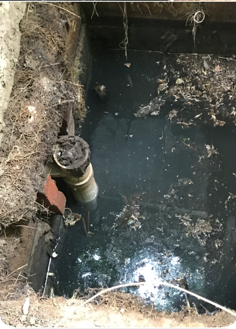
Get a side sewer inspection if the rental property you’re purchasing is not connected to a sewer system. The sewer line (side sewer) that goes from the property line to the house is the responsibility of the property owner. The sewer line can shift from roots or other earth movements and can cause the pipe to sag or sometimes start to collapse. The inspection cost is typically $200-$300, but it can save $10,000-$20,000 for a replacement side sewer.
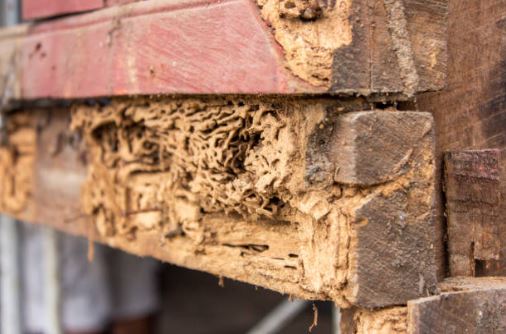
Pest and Termite Inspection
If your regular inspection report noted signs of termite damage and the house is older and built primarily of wood, a more thorough inspection for termites may be necessary. Most houses have some minor degree of termite presence, but a large infestation should be treated by fumigation.
Lead-Based Paint and Asbestos Inspection
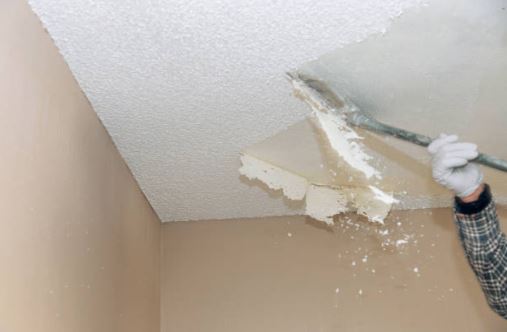
Homes built prior to 1978 may have used lead-based paint, and those built before 1989 may have used materials containing asbestos. As a landlord, you are usually not required to replace these materials, but you must notify the tenants of their presence, if known. I typically skip these additional inspections, but if you want to know for sure, they will cost an extra $200 – $300.
Mold Inspection
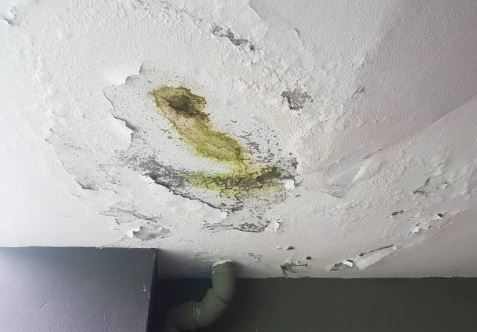
Some home inspectors also check for mold, others do it at an additional cost, and some don’t do it at all. I usually do not order mold inspections, but if you notice a moldy smell or suspect there are water drainage issues, you can consider getting it done.
What If Inspectors Find Problems?
Within a few days after the inspection, you will usually receive a detailed PDF report electronically.
Your inspector will find at least some defects with the house, even if the rehab was performed very well. When your home inspector finds a big issue, I guarantee any other home inspection is going to find that same issue. So, it’s in the seller’s best interest to address the issue with the first buyer rather than crossing their fingers that the next buyer won’t bring it up.
As a turnkey buyer, you are in a position to request the turnkey company or seller to fix most (or all) of the items found during the inspection; if not, move on to the next property. Send them a copy of the report and ask them to repair as many discrepancies as possible before closing. Request that they take pictures and send you receipts of the completed work.
I would strongly encourage you to exit the deal if the inspection noted any of the following:
Foundation or Structural Problems
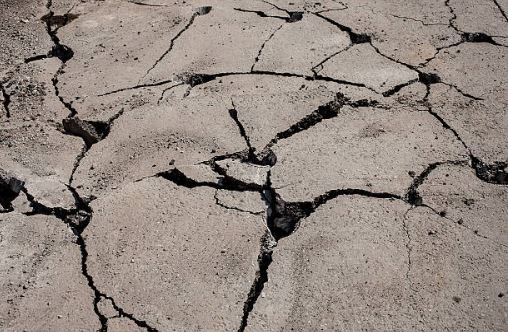
These include ground movement under the house, uneven foundation, major cracks in the foundation/structure, and significantly slanted walls. I’ve had this come up twice before, and I decided to rescind both deals. The foundations were built out of concrete blocks, and the options were to apply a bracing system or raise the house and rebuild the foundation. The least expensive option was the brace, which would cost $9,000 and would decrease the chances of me selling the property in the future.
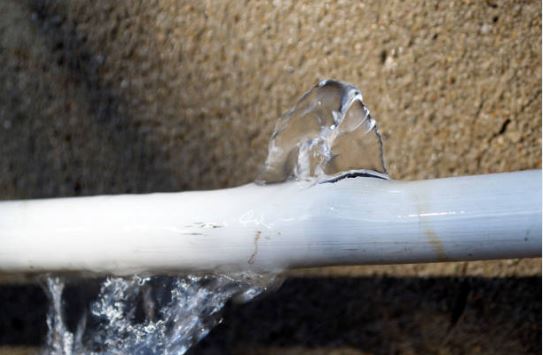
Major Plumbing Issues
This includes a clogged or damaged main sewer line or internal piping that needs to be completely replaced.
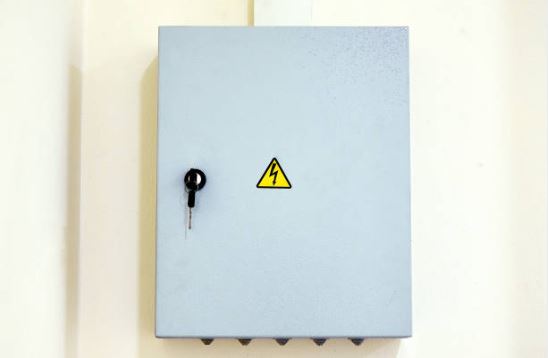
Major Electrical Issues
These can range from very old systems that need a complete overhaul to the replacement of main sub-panels.
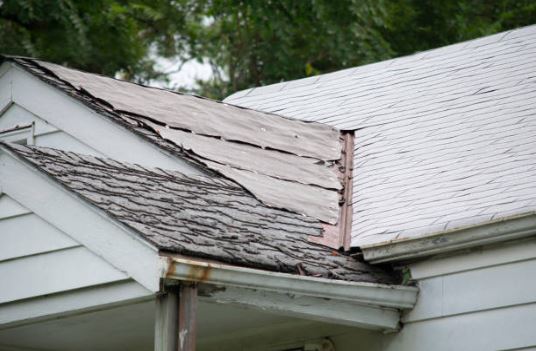
Damaged Roof
Unless the turnkey company is willing to replace the entire roof, it’s not worth buying a property with a leaking one.
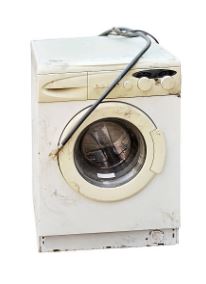
Broken Appliances
If any of the indoor appliances, the water heater, or the HVAC systems are inoperable, ask for them to be replaced (not repaired).
How To Find a Good Property Inspector
A quick internet search (for example, “Atlanta home inspection”) will bring up several home inspectors in the area. You can also ask for referrals from other real estate investors.
Most property inspectors will have similar services and prices. Make sure they service the area where the home is located and review a sample inspection report that should be posted on their website. It needs to be thorough, cover every area of the building, and contain plenty of pictures.
The key is finding a practical inspector who understands that you are mainly looking at the property as a rental (not a home to live in) and needs help with a strongly written report to help provide back-ups. We have worked with a lot of clients who find inspectors who give really detailed reports of really silly findings, and the buyer loses reasonability and relationship with the seller.
Also have a debrief call to get the inspector’s overall and takeaways from the inspection, since many reports are written in such a way to CYA the inspector and may not align with a quick informal 10-minute phone call.
In the Incubator calls, we can help you through an inspection report and help you come up with a game plan on how to optimize your negotiation and punch-list request.
Below are some coaching calls I had with investors, where we discussed their inspection report.
What if there are issues getting an inspection(s) completed with the tenant in place?
This is an issue with the seller not being easy to work with, and could be grounds for you to back out.
If there are delays, we will then have both parties agree to an extension of the inspection period with an addendum. The only time this happens is if your inspector can’t inspect and provide a report back within the 14-day period.
How have you guys been confirming that the fixes from your inspection are done as they should be? I had them send me pictures of everything that needed to be fixed, but wondering if you guys have been sending the inspector back out?
If the repairs are more than 1-3k of repairs and you trust them (seller/broker), that might be appropriate. Any more, it might make sense to pay a few hundred dollars to get a third-party inspector. Another tip would be to get your PM involved if they are comfortable doing that.
Within the next two weeks:
Using what you learned from this section, find 2-3 potential property inspectors, vet them, and choose the best one to use!
This content is provided for informational and educational purposes only and does not constitute an offer to sell or a solicitation to buy any security or investment product. All investors must review and sign the official offering documents, including the Private Placement Memorandum (PPM), which governs and supersedes any prior communication. Tax and legal outcomes vary by individual circumstance. We do not provide tax, legal, or accounting advice—investors should consult qualified professionals before making investment decisions. Click Here to see full disclaimer.