

Remote Rental eCourse

Operating the Property
Why Hiring a Property Manager Is Usually More Efficient
Here is why you should get a property manager:
- Save time: Property managers usually charge only 8-10% of the collected gross rental income (and 50-100% of the first month as a lease-up fee). The amount of money a property owner will save by not having one will not justify the 10+ hours per month you will spend managing a single rental unit. The people taking this course and in the Incubator make good money at a day job and therefore should focus on being an investor, not a landlord. If you managed a property on your own, doing all the tasks, you may end up spending 10+ hours a month on a single rental property.
- Reduced expenses: Most property managers are able to get discounted rates with many contractors due to the volume of business they bring them, something you will not be able to do yourself. However, let’s face it, as remote investors, we will have to do a bit of work to keep expenses down and verify larger expenses (over $1,000) and help out with getting competitive bids to keep our property managers honest.
- Increased revenue: A property management company is likely going to be more experienced at advertising rentals and have a better understanding of the local rental rates. They are also a local specialist who knows the going rate for your rental unit, as this frequently changes. This puts them in a position to maximize the potential rent collection.
- Decreased likelihood of lawsuits: A certified property manager will likely have extensive knowledge of local landlord and tenant laws, helping shield you from costly lawsuits. I always used them as the “bad guy” to enforce good rent collection and payment plans. The rental property management can also be a barrier for you in some frivolous anti-discrimination claims when screening tenants. I always let my property managers redact information such as race, age, or whatever protected class there is these days as a means of separating myself. Having a property manager is another barrier to insurance (literally).

When I was in college, I remember my landlord driving up on the weekends in the used Mercedes S-class to unclog our toilets, all while his poor wife waited in the car. This is the old school way and not scalable.

Part 5 of 8 – Property Management & Operation
- Using property management
- Best practices
- How to interview a potential property manager
- Late payment and the eviction process
- Runtime – 36 minutes
How Property Management Works
Managing Tenants
The first thing you or your property manager will need to do is find and manage the prospective tenants that will occupy the home.
Here is what tenant management usually entails:
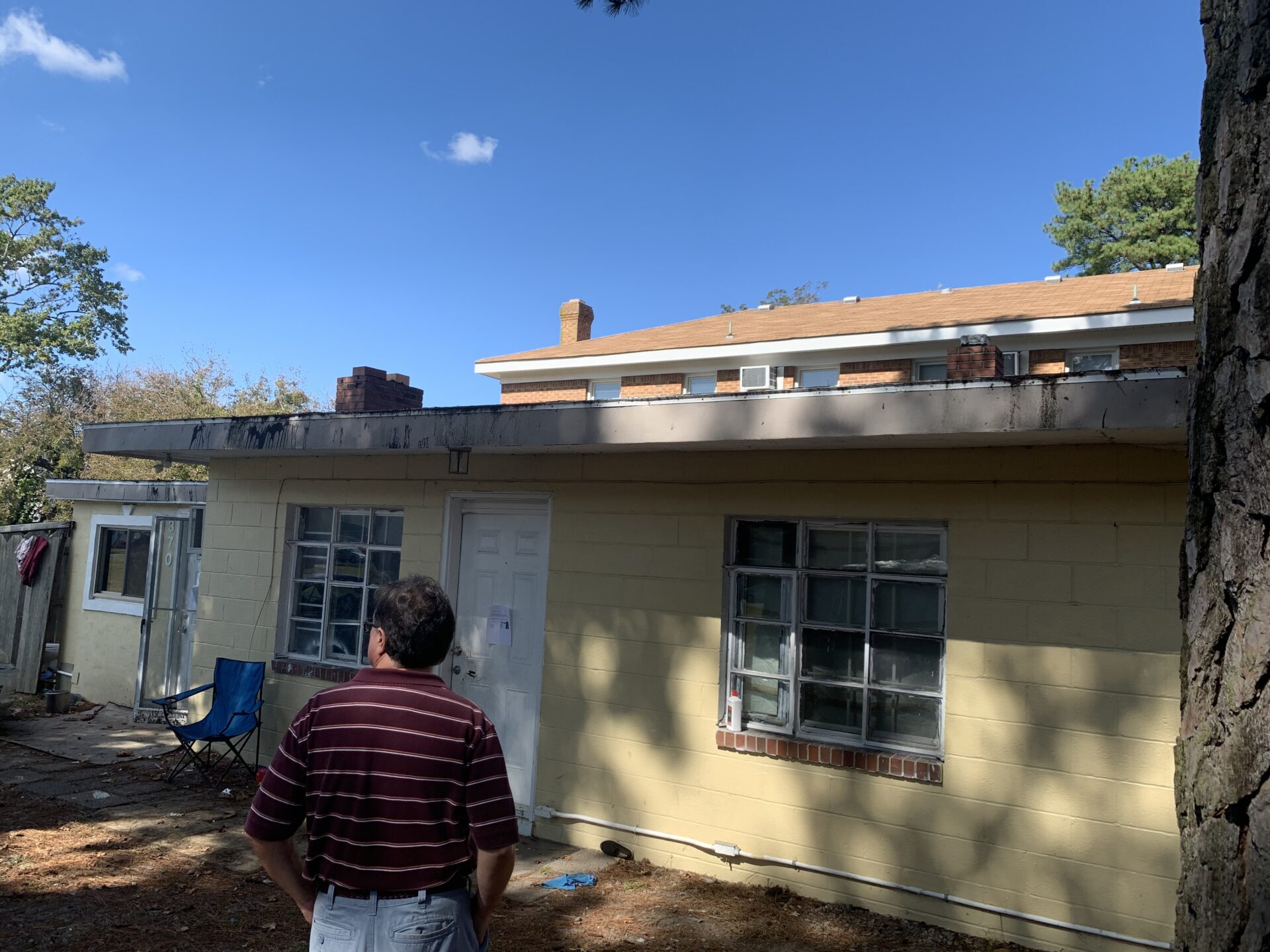
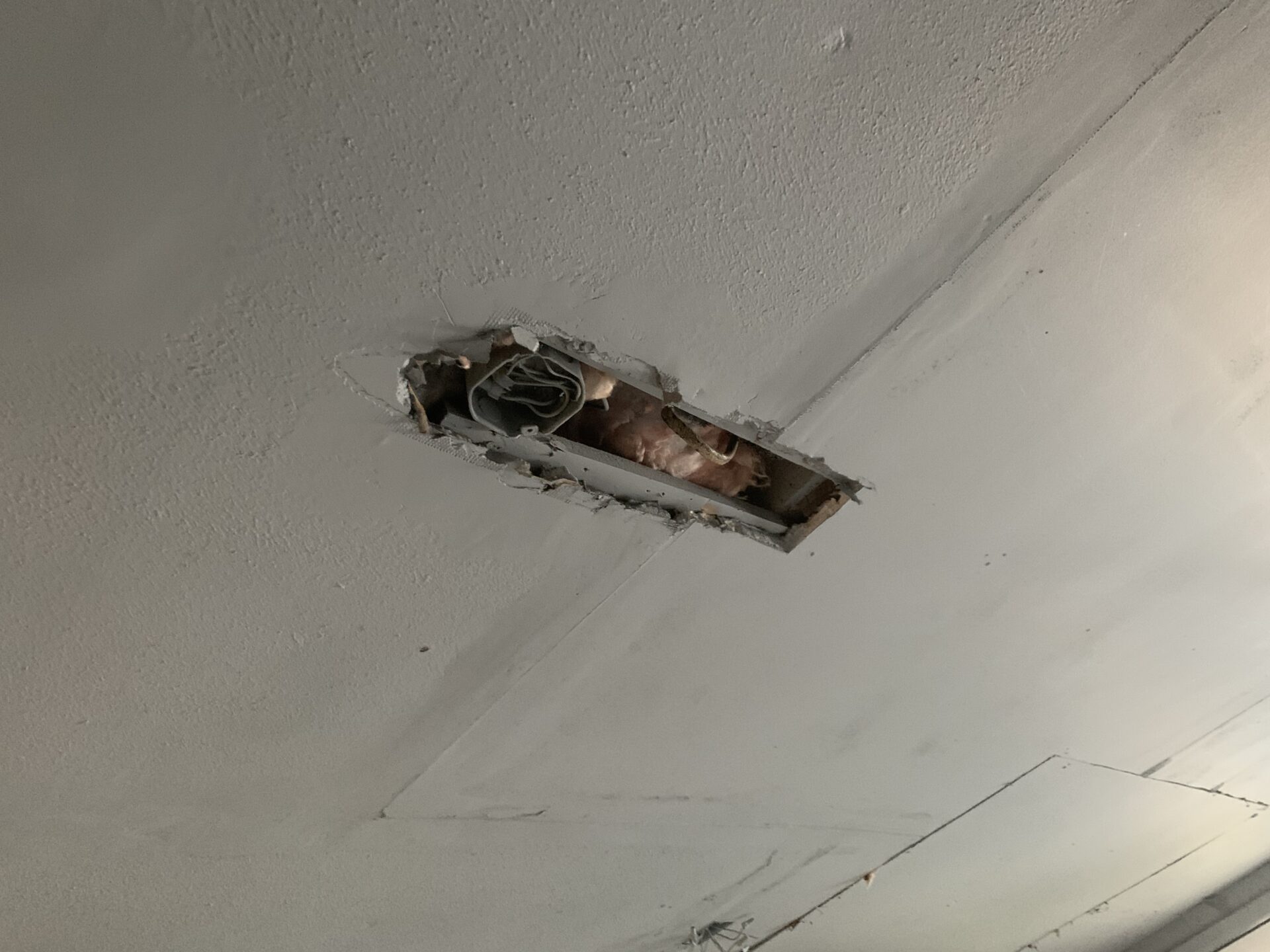
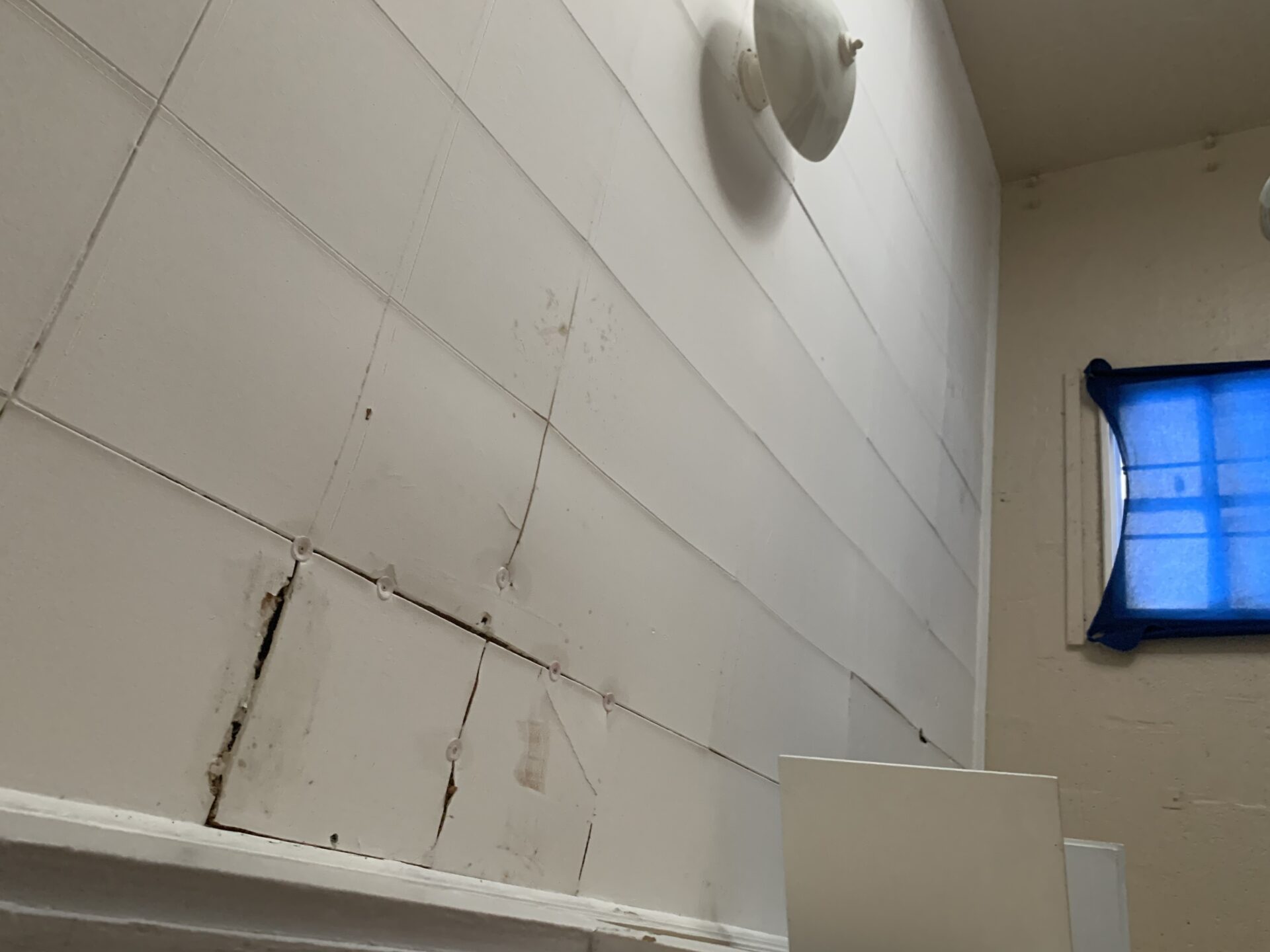
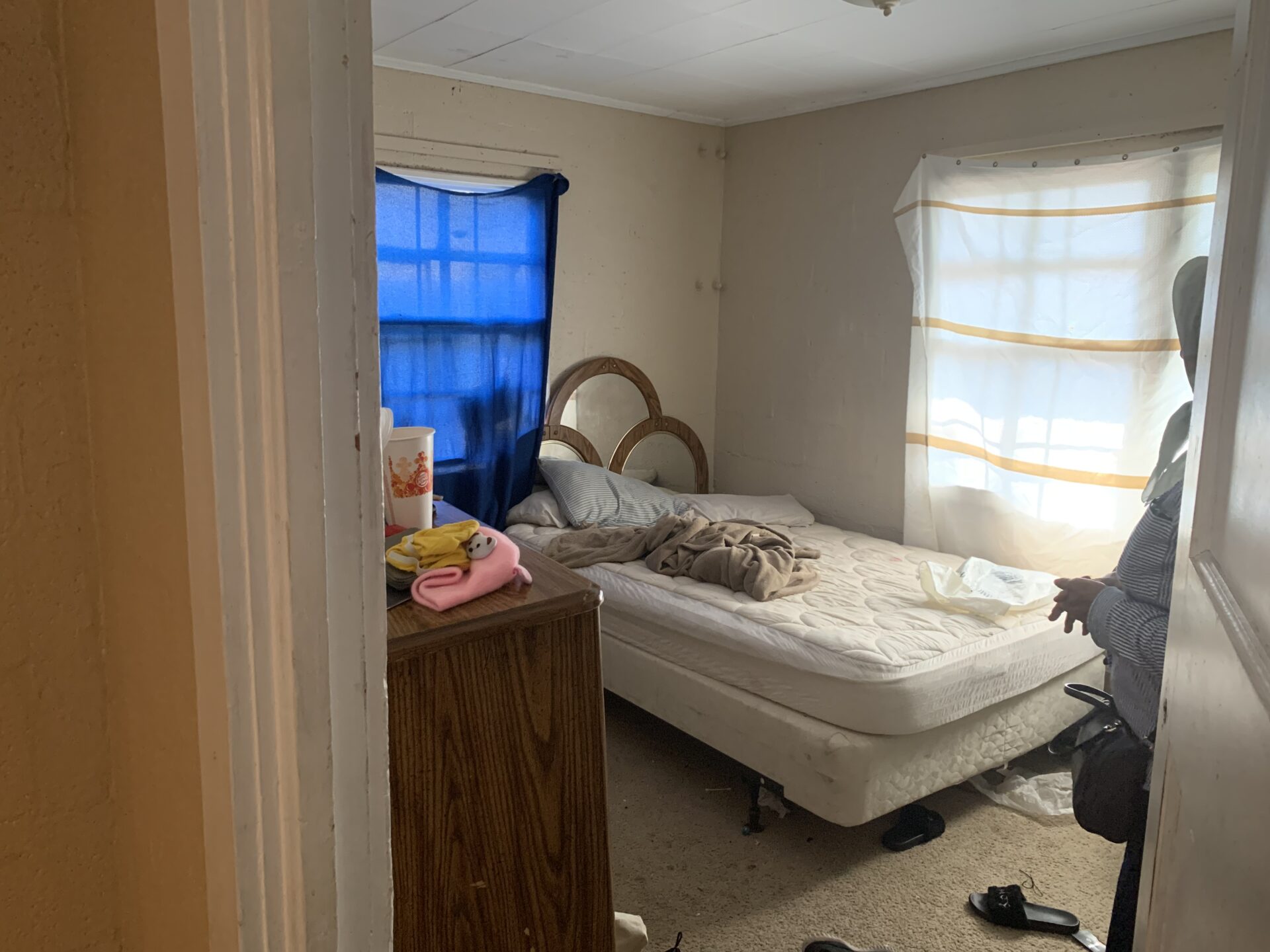
Maintaining the Property in Good Condition
When you own rental properties, you will have two types of expenses related to maintaining them in good condition:
- Regular Maintenance and Repairs: Examples include clogged sinks, broken fixtures, painting touch-ups, landscaping, and cleaning. These items will be reported by your tenants or will come up during the move-in and move-out inspections. A property manager will often have a team of handymen, plumbers, and electricians who can fix these items.
- Capital Expenditures: Examples include roof replacement, appliance replacement, HVAC or water heater replacement, and plumbing or electrical upgrades. These are usually large expenditures that will not come up often (for example, every 10-20 years for a new roof). You will need to plan for these ahead of time and schedule a good time to get them done, usually when the property is vacant.
Make sure to ask for pictures and documentation when major repairs are made!
Be a squeaky wheel, let them know you are paying attention, but don’t micro-manage and be a pain in the ass.
Paying Property Taxes and Insurance
If you used financing to purchase the property, your lender will typically pay property taxes and insurance on your behalf for the duration of the loan.
If you will be paying property taxes and insurance yourself, check the local county tax collector’s website to find out when property tax bills are mailed out and are due; it’s best to set up auto payments or calendar reminders. Your insurance broker can tell you when your insurance is due for renewal.
You can also ask your property manager to pay property taxes and insurance for you. If you go this route, double that they in fact did so when the time comes.
Keeping Accounting Records
If you use a property manager, accounting will be fairly straightforward. Your property manager will send you monthly and yearly statements that will show the collected rent and all expenses paid during that time, including property management fees, maintenance, repairs, utilities, etc.
If you’re going to self-manage your property, you will need to keep your own accounting records. You may want to check out software programs like QuickBooks or Wave to help you do this.
Here is a sample owner’s statement generated by AppFolio, a very popular professional property management software:
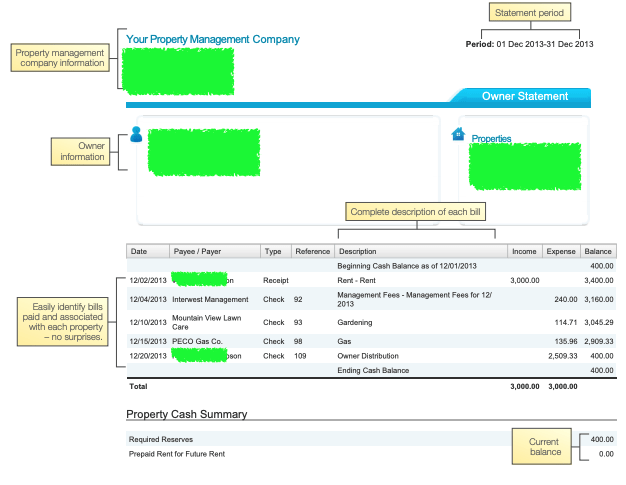
Always review these statements for accuracy, save them, and contact your property manager if you have any questions.
Dealing with Problem Tenants
No matter how good the tenant screening process is, things will happen that you and your property manager did not (or could not) foresee. Here are some examples:
- Your tenant falls on hard times, stops paying rent, and refuses to leave the house.
- Your tenant starts making unreasonable demands, requesting upgrades that go beyond maintaining the property in good condition.
- Your tenant just disappears, leaving the property a mess.
These are the steps that you and your property manager should take if the situations above do arise:

What to Look for When Picking a Property Manager
Here is what you should focus on when screening property managers:
- Communication: You want someone who is quick to return your emails and phone calls, and is transparent and proactive when talking to you or the tenants.
- Monthly Fees: Property managers charge a percentage of the collected gross rent for their services. This fee should not be higher than 8-10%. Some companies have a minimum amount they charge even when the home is vacant, so ask them about that.
- Tenant Placement Fees: These are one-time fees for finding and placing a tenant, usually as a percentage of one month’s rent. These should not be higher than 1 month’s rent.
- Lease Renewal Fees: Should not be more than $100 – $200 to renew the lease with the current tenant.
- Advertising Fees: Since advertising is free to do online, I would avoid property managers who charge for this.
- Inspection Fees: A good property manager should not charge you for move-in and move-out inspections and should be willing to take pictures of the property while conducting these.
- Maintenance Markup: Some property managers will up-charge you for any maintenance and repairs performed on your property. This is more common in areas where the rents are relatively low.
- Number of Properties Under Management: 50-150 is a small operator; over 1,000 units is institutional grade. Small operators know the tenant by name and know exactly what happens; they often have poor systems but make it up with exceptional service. Large operators are not as personal; they might have someone different answering calls.
How to Find a Property Manager
Many turnkey companies have in-house property management departments. I feel that using their in-house property manager gives them a higher incentive to sell you better properties, since they will have you as a client for a long time after the sale.
If your turnkey company doesn’t have in-house property management, ask them for referrals to companies they work closely with. In addition, ask other local real estate investors, or search on BiggerPockets for additional referrals.
It helps to get contact information for 2-3 potential property management companies, interview all of them, and pick the one you feel will work out best.

How to Interview a Property Manager
Here are some questions to ask:
General:
- How long have you been in the property management business? (Three years of experience or more is ideal)
- Are you an active real estate investor in your market? If not, why not?
- In what areas do you service? (This will tell you if the manager has a thorough understanding of the area, so they can advertise to tenants with the right rent prices based on where the property is located. And you want to know if you can use the same property manager if you buy another property in the same area.)
- How many properties do you have under management? How many properties does each employee manage?
- Can you send me referrals to 2-3 investors who use your service?
Neighborhood:
- Which areas or zip codes do you recommend for buying rental properties?
- What is the typical tenant quality for a given area? Are straight rent or Section 8 tenants more common?
- What is the typical vacancy rate for a given area? On average, how long does it take to find and place a new tenant in a property?
- Do tenants usually bring their own appliances, or are they supplied by the landlord?
- What is the typical rent for the area and the property size that I’m considering buying?
Fees:
- What is your typical monthly property management fee? Do you charge even if the property is vacant?
- What are your other fees, including tenant placement, lease renewal, advertising, and inspection fees?
- Would you be able to do a full walk-through inspection of the property during tenant turnover and take lots of pictures?
- Can you do an annual inspection upon my request, with pictures? Do you charge extra for these services?
- Do you offer project management services? If yes, how much do you charge for this?
Tenants:
- How do you advertise the properties you manage?
- How do you screen tenants? What are some of the red flags you look for?
- What are the typical terms and duration of lease contracts you sign with the tenants? How do you handle security deposits? Late payments?
- How do you handle tenant problems? Disputes? Evictions?
- How many tenants do you evict, on average, every year? (A high eviction rate signals that the company lets a lot of bad apples slip through their screening process.)
- What specific programs do you have in place to increase tenant retention and satisfaction?
Finally, ask the property manager to send you samples of the following documents:
- Property Management Agreement: This is the agreement that you will sign with the property management company that outlines their services. Note their rules for direct deposit, accounting statement delivery, and maximum authorized maintenance budget.
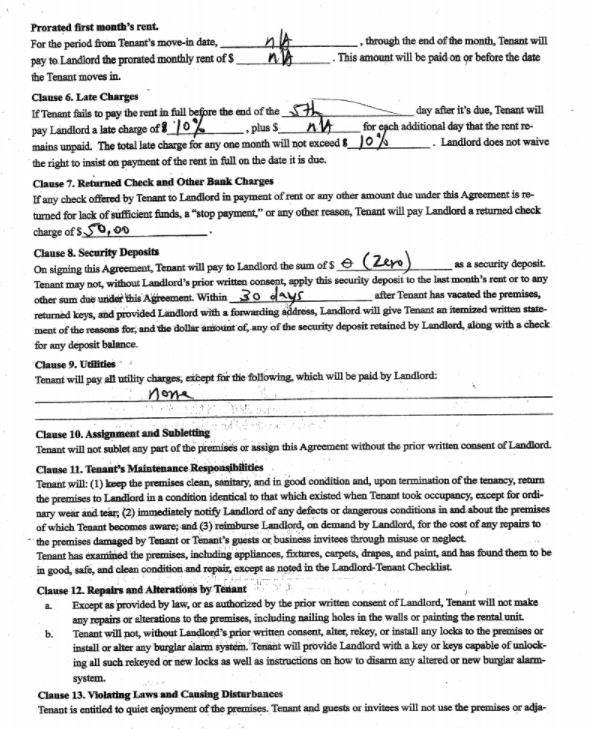
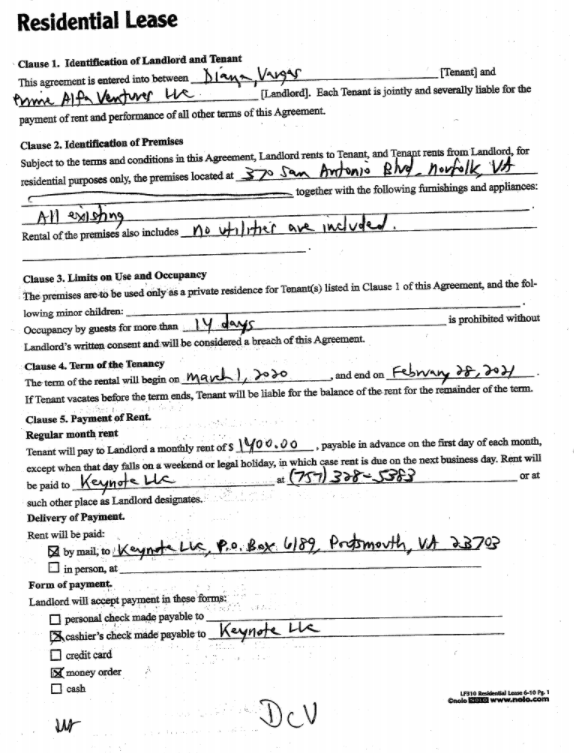
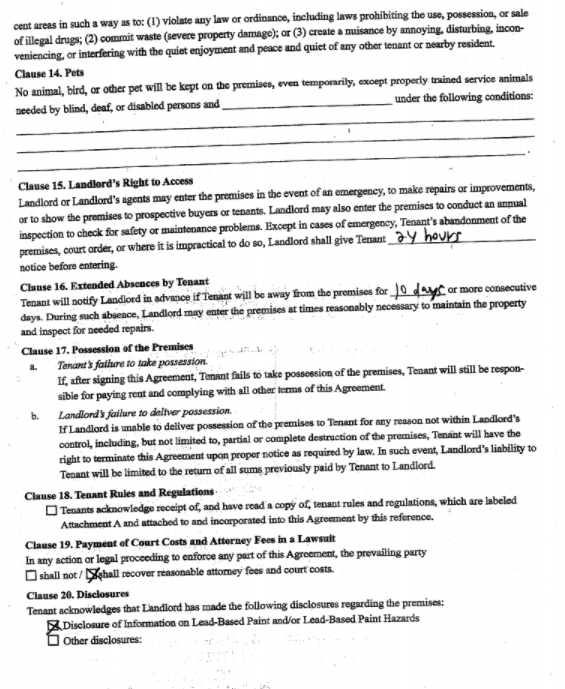
- Lease Agreement: Ask for a sample lease agreement that they use when placing tenants. Look at its duration, auto-renewal policies, late payment policies, and rent increase provisions.
- Monthly and Yearly Accounting Statements: Review a sample of monthly and yearly accounting statements that they send to the property owners. The vast majority of good property managers use a software program called AppFolio that generates very detailed statements. If they use something else, make sure it shows all of the important information in a format that’s easy to understand.

Here is something I used to do in the summer to build goodwill with the tenant…
Hi property manager,
With the summer coming up and lease-up season approaching, I was wondering if you would be able to ask every one of my tenants if they were interested in purchasing the home via lease option..
Here is an idea on how to have a conversation about the proposition..
1) Praise the tenant for a good track record.. And let them know we are looking to create a win-win situation.
2) Ask if they would like to own their own home one day.. This also provides us with information on whether we need to plan for a vacancy.
3) Present the lease option deal idea, if the rent is 1000, ask to raise the price to 1100 (+100), and 50 dollars goes to a deposit account, and 50 goes as a fee for a deposit.. We can work on the exact contract with a lawyer. This offer is not for everyone, but is ideal for someone who is recovering from bankruptcy and/or has a credit score improving.. Once they are signed on with the lease option, this should greatly eliminate service calls, making your job easier.. Also, when we sell, you will be the agent on record on can have the commission..
Please report back on the following within the next month after you have had a brief conversation with the tenant:
123 Main Street:
1) Interested in buying this home? If not, why/when? Any issues with current living conditions?
2) What are their barriers to a lease option? (credit score, job/location stability)
There will be problems!
Case Study with Conflict with Property Manager
The following is a case study from one of our past students, whom we helped resolve a dispute with the non-responsive property manager.
“My property manager has not been very responsive. I’m losing profit waiting trying to rehab the place. The tenant is telling me that she can barely reach him. I reached out to other property management companies, but they cannot move forward without a cancelled contract and notice of 60 days, I believe. What’s the best option to do here? I was considering calling a lawyer as my patience ran out. The last message he replied to was that he was dealing with tax issues, but he never replied back since then. Do I wait another month?” -Student
“I would have them give you a timeline to get back to you and complete the needed work. Did you define scope, schedule, and budget formally? If so, please send that over so I can look. Probably should look for a new PM. Again, this is why I don’t advocate for non-turnkey properties, especially for high-paid professionals.” -Lane
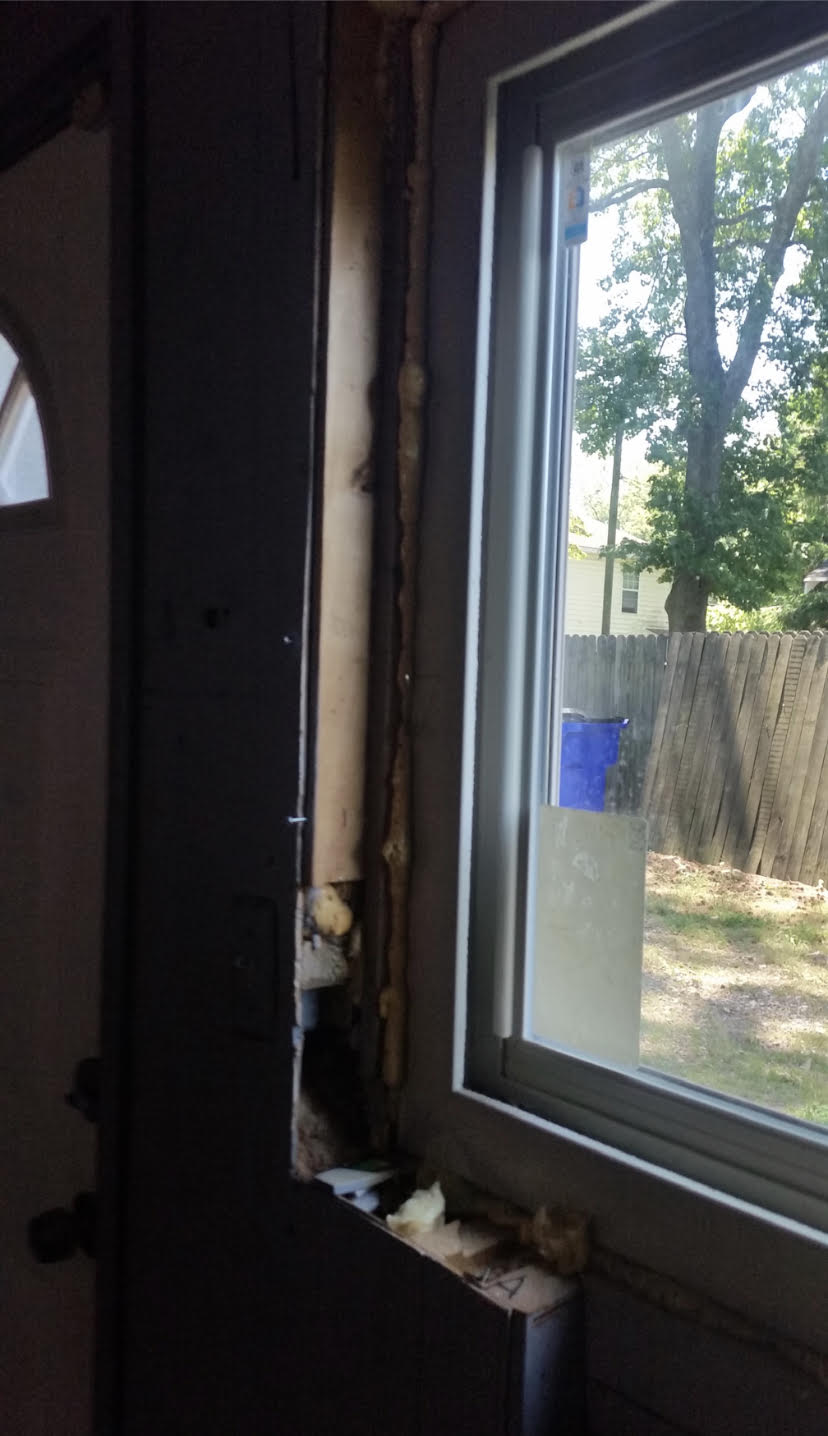
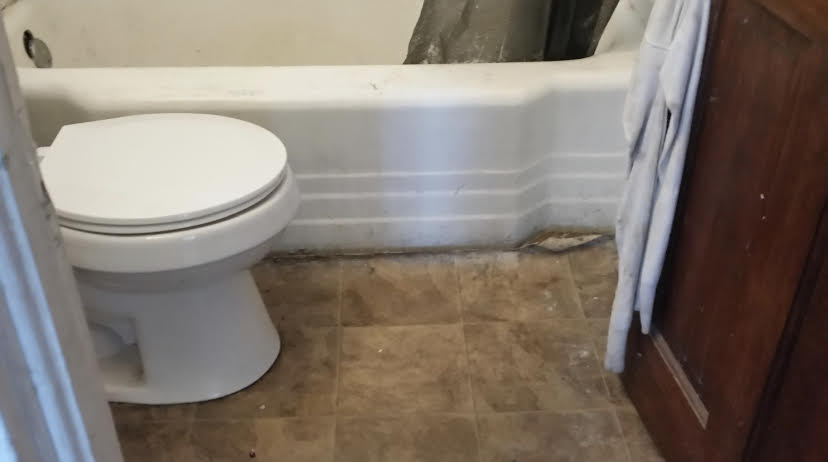
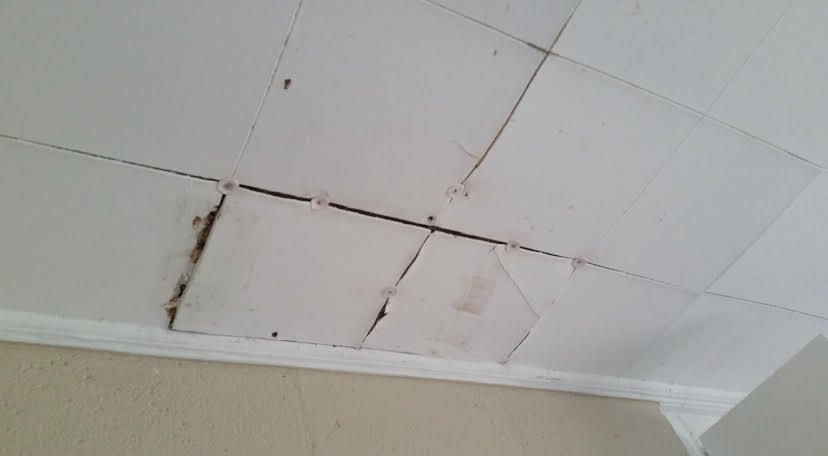
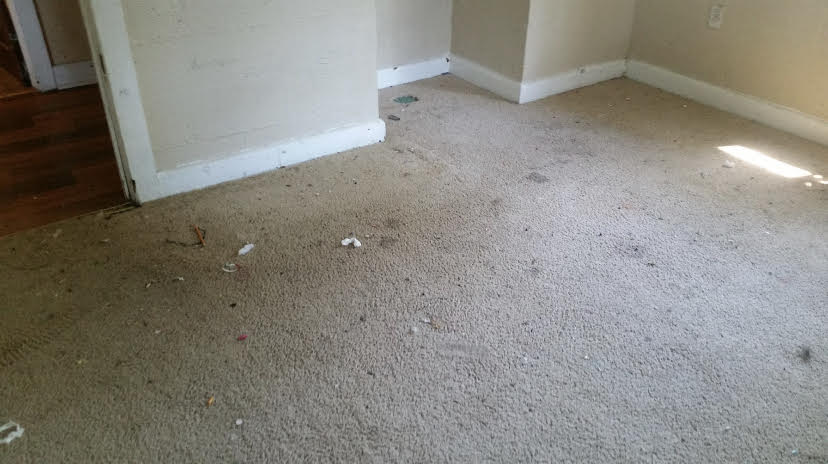
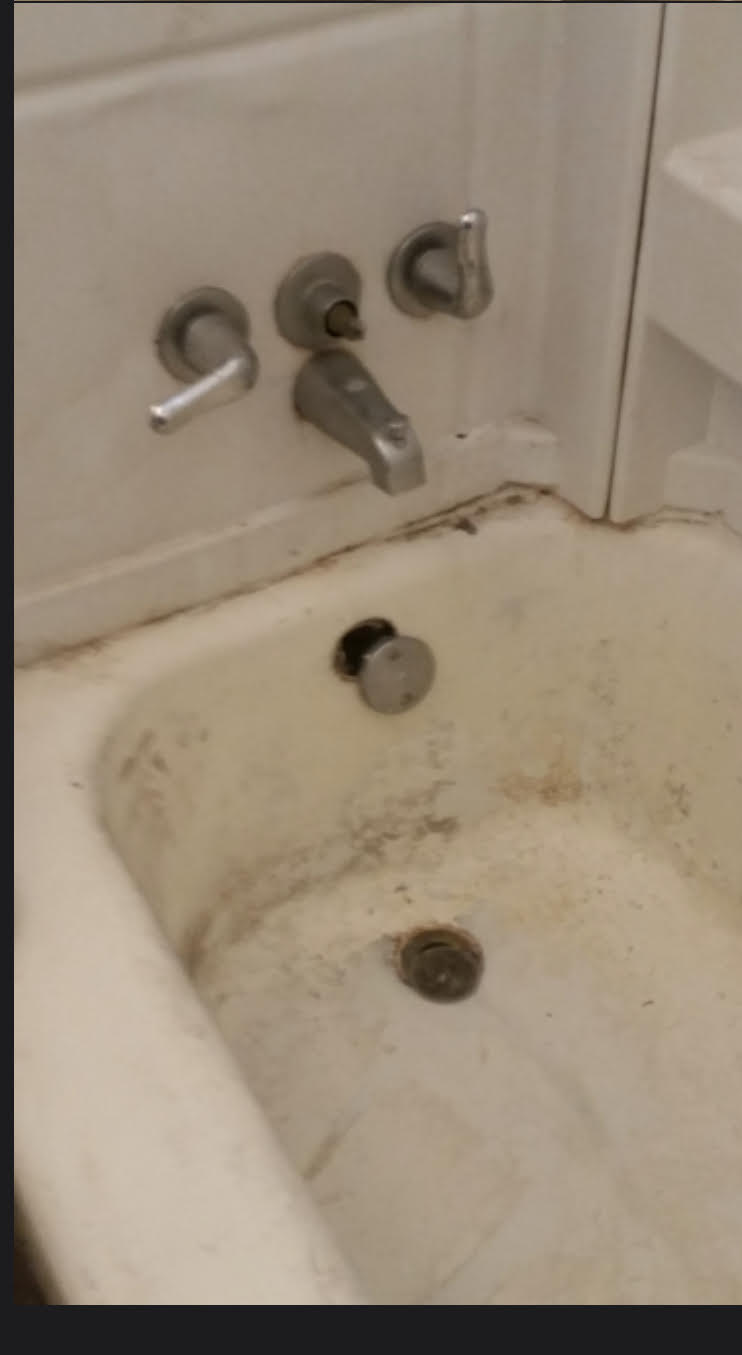
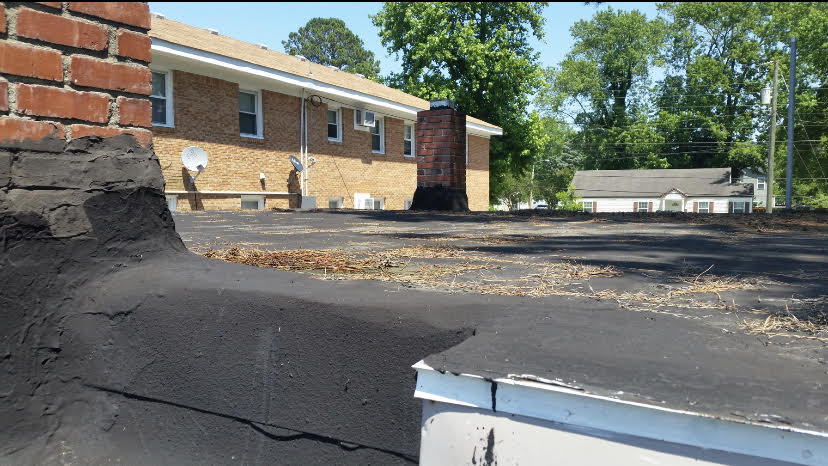
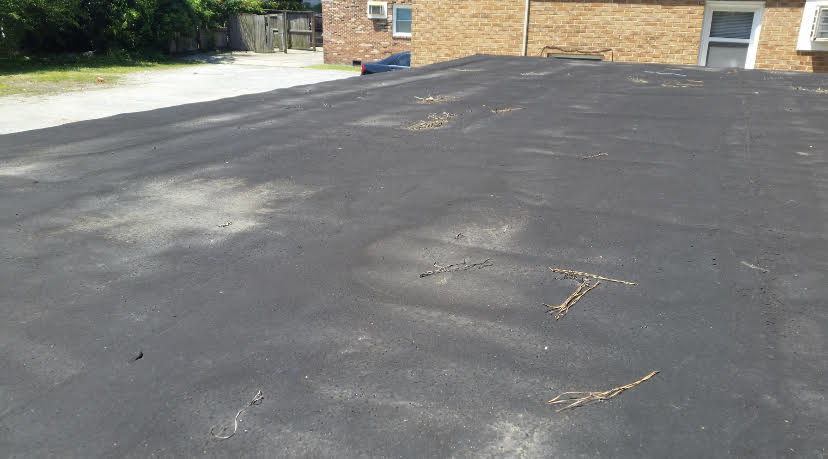
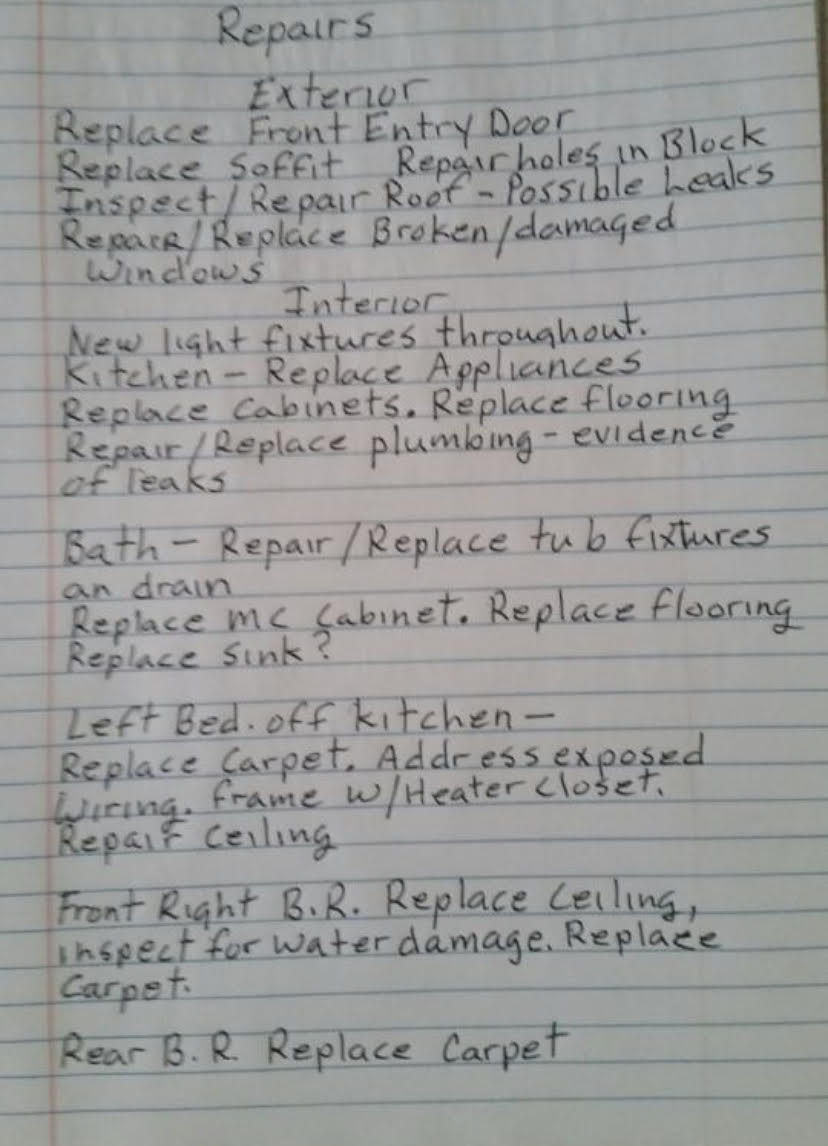
“No, I agreed once he asked to have 10% of the cost of the project in order to manage, as we will provide the scope, schedule. and cost estimate. I asked for it 2 months ago and have yet to get an estimate. I grew impatient with waiting as we are heading into 3rd month, and no estimate was provided in order to move forward with the rehab. My strategy is to continue to email and text until I hear back. Sometimes I have to be very pushy to get things done. Some of the actions I was considering are to get my own contractors and monitor the whole project myself. which means I will need to get the contractors a place to stay near the property, and I will also find a place to stay in. But that can also be an additional cost than waiting. This was before I discovered the contract needs to be cancelled before I can do anything. I attached the list of repairs and pictures of the place needed. I just don’t know what the next step is when I don’t hear back from the property manager.” – Student
First draft sent to the Property Manager
Jul 21, 2020, at 7:32 PM
Subject: Re:
Hi Joe,
It has been two months of Vacancy. No work or estimate has been given to me. I tried to reach you, but you’re not available by phone or text. We are going into the month of August. If you feel your time is occupied and unable to manage the property, let me know in order to move forward. But no response from you is unacceptable, and losing profits the longer I wait.
Please update me in order to plan.
Thanks
NOTE: No request by date or discussion, or recourse.
Reworded correspondence sent to Property manger
Joe,
I am following up on my email sent on July 21st at 7:32 PM.
Emails on Jun 19, 2020, 6:46 AM and Jul 21, 2020, at 7:32 PM.
And texts on: June 22, June 26, June 30th, July 6th, July 11th
I did receive a text reply on July 11th saying you were busy with taxes and will get back to me about the contractors soon.
If you do not contact me with a formal schedule, I will be forced to engage with another property manager provider due to non-responsiveness and void our previous agreement. The safety of my tenant is my utmost concern.
Please respond no later than the end of business on Thursday, July 30th, 2020.
NOTE: This is not legal advice here, but it gives clear direction while creating a paper trail in case the service provider wants to come back after the breakup. Or worse, claims that they should be entitled to a broker’s commission should you sell the property.
What do Tenants Want?
We have put a lot of emphasis on what makes a good property, but let’s flex some empathy here and think about it from our tenants’ viewpoint. Imagine if you are a B Class tenant who makes 35-60k a year (may or may not have kids or a supporting spouse). Here are things to keep in mind as we provide quality housing at a good value:
1. Location
Location is the #1 priority for tenants. Most tenants are willing to drop off other wish list items for the right location. Tenants look for rental properties that are close to work, school, groceries, and entertainment, depending on their priorities. Many investors miss the mark when it comes to location. They often try and purchase in a less expensive area, and that can result in high vacancies and lower rents. Typically, the prime real estate is worth its price tag.
2. Safety
Tenants want to feel safe at their homes and in their communities. They look for security gates, cameras on premises, low crime rates in the area, and an attentive staff. Anything additional you can do to make them feel safe is a big win.
Also, taking COVID into account, they want their health to be safe as well. We just launched a program where a tenant can lease virtually and unlock their home with an app, so there is no human contact if they prefer it that way.
3. Parking
You have to have reserved parking and also enough parking for two cars. If tenants can’t park near where they live, they don’t want to live there. This should be one of the first things you take into account before buying a rental as well. How far away and adequate is the parking?
4. Open Floor Plan
Open floor plans are a trend I think is here to stay. Long gone are the days of a separate dining room with a hanging chandelier. If your rentals don’t have open floor plans, this may be something you want to consider.
5. Clean and Tidy
A clean and well-lit rental will win every time. Don’t skimp on the professional cleaning company when you turn a unit and make sure it has the just-been-cleaned scent. Lastly, no air fresheners. That will only make people question, What are you hiding?
6. Storage
Most landlords don’t think of storage within the unit when buying a rental. Tenants look for space for their stuff, including outdoor equipment like bikes and skis. That is why walk-in closets or garages are a big draw.
7. Pet-Friendly
A lot of landlords shy away from allowing pets in their units. In our apartments, we have fully embraced our furry friends and, in turn, their owners. We have found that with the right pet deposit and monthly pet rent, we attract a nice group of tenants who responsibly take care of their fur family. We believe most pet owners are not stable in their living situation when they have a pet. Of course, it’s a different case when you are talking about the cat-lady/guy with 6+ cats or someone with 2-3 vicious Pitbulls (fighting dogs).
8. Quality Landlord
Finally, like any business, your business starts with you. You have to be a quality landlord to attract quality tenants. This means fixing items in a timely manner, being professional, and hiring quality contractors.
I can still remember back in 2012 when someone stole the HVAC unit right out of my backyard in Birmingham. Not once, multiple times. And even when they didn’t disappear, they broke down. A lot.
Since then, I’ve owned well over a thousand HVAC units across various properties. I’ve learned the hard way that while I don’t need to be a technician, I do need to be an informed owner.
If you’re an investor or landlord, here are 6 things you should know about your HVAC units that’ll save you money, stress, and angry tenant calls:
Tip #1: Lock it down — literally.
Install cages or alarms on outdoor units in high-risk areas. A $300 cage beats a $4,000 replacement every time.
Tip #2: Know the SEER rating.
It’s like the MPG of your HVAC. The higher the number, the more efficient (and usually more expensive) it is to run.
Tip #3: Set reminders for filter changes.
You’d be shocked how many breakdowns start because nobody changed a $12 filter. Set it and forget it — or automate it for tenants.
Tip #4: Age matters.
Most systems last 10–15 years. After 12, start budgeting for replacement, not repair.
Tip #5: Don’t skip spring/fall checkups.
A quick preseason service visit can catch small issues before they become big, expensive problems — especially with heat pumps and inverter systems.
Tip #6: Get the model & serial number early.
Keep a digital HVAC inventory. When something goes wrong, your repair team can be faster and cheaper if they’re not guessing what brand is on the roof.
Within the next two weeks:
If your turnkey company has an in-house property manager, make sure to interview them.
If you don’t use the in-house property manager, take what you learned from this lesson and find 2-3 potential property managers, research their websites, ask unanswered questions when you interview them, and choose the best one.
Incubator students… we will help you out with referrals, but it might be wise to practice on another property manager (a random one) just so you don’t come across as a newbie to a proven property manager company and they decline you as a client.
Deeper Learning


This content is provided for informational and educational purposes only and does not constitute an offer to sell or a solicitation to buy any security or investment product. All investors must review and sign the official offering documents, including the Private Placement Memorandum (PPM), which governs and supersedes any prior communication. Tax and legal outcomes vary by individual circumstance. We do not provide tax, legal, or accounting advice—investors should consult qualified professionals before making investment decisions. Click Here to see full disclaimer.