

Remote Rental eCourse

Getting Rental Property Insurance
Finding Property Insurance
An insurance policy is always required if you’re using financing. But even if you’re not, it’s pretty much a given that you need insurance coverage to protect yourself against major damages and lawsuits. Your level of protection is ultimately up to your risk tolerance, but just know that an insurance provider is provided where the company can make money on it.
Since you will be a remote investor, what you’re looking for is a landlord, fire, and liability policy. Be sure to get at least 2 to 3 landlord insurance policy quotes to get the best deal for the city you are investing in. The landlord insurance cost may be drastically different for a New York landlord compared to a Florida landlord due to natural disasters being more common in the area. If you will be living in one of the units of a multi-family home, you need standard homeowners insurance.
Home insurance comes in two types – replacement cost value and cash value. Let’s look at the differences between the two.
How much would it start to really hurt to pay and 2X it to get your deductible amount ($1,500-5,000)?
Replacement Cost Value (RCV)
These rental property insurance policies are the most common and insure your investment property for the total amount it will take to repair or rebuild it. In the case of a total loss, you will be given the cash to build a new, similar home from scratch.
The replacement cost is calculated using the insurance company’s internal formula and depends on the size and layout of the home, location, and the building materials used to construct it. It is usually non-negotiable.
Best For
An RCV insurance policy usually provides the maximum liability protection and is the safest bet for the more conservative rental property owner. Your investment property will be restored to its original condition in case of any damage or total loss.

Cash Value Policies
Unlike RCV policies, cash value policies only insure homeowners for the cash amount you specify. It doesn’t matter how much it will actually cost to repair or rebuild the home.
Best For
Many real estate investors prefer cash value policies in areas where homes cost less than what it takes to rebuild them. In these cases, they typically set the cash value of their policy to about the purchase price of the home.
In the case of a total loss or significant damage, they usually demolish the property and sell off the land instead of rebuilding, using the liability coverage payout to purchase another rental property.
For example, if the turnkey you’re buying is worth $75,000 but it would take $150,000 to build a similar home from scratch, it makes more sense to get a cash value policy for $75k – $85k instead of a much more expensive RCV policy.
Just be sure to check with your lender if this is allowed, as many require an RCV policy to give you a loan.
What Types of Coverage Will You Need?
- Dwelling Coverage: This is the primary insured amount on any policy. For RCV policies, this will be set by the insurance company (verify that the home details they use for calculating this are accurate). For cash value policies, you can specify any coverage option, but insuring the home for at least the purchase price is the most common.
- Other Structures: If the property includes additions other than the building itself (ex., porch, deck, external stairwells, free-standing garage, storage shed), get enough “other structures” liability coverage to cover their replacement or repair.
- Personal Property Coverage: For rental properties, this will not include the belongings of the renter (that should be covered by their renters’ insurance). Typically, this will only include appliances, so estimate their combined cost (usually around $5,000 – $10,000).
- Loss of Use: This covers lost rental income or extra expenses (like paying for the tenant’s hotel) while your property is being repaired or rebuilt. I typically use about 6 months of gross rental income for this value, although sometimes it is automatically calculated based on the primary dwelling coverage.
- Premises Liability: This amount covers any liability claims in case of accidents by your tenants or their guests (for example, if they fall, hurt themselves, and sue you). This is essential landlord coverage to have, so don’t skip it. I recommend at least $500,000 per occurrence.
- Medical Payments: Similar to the coverage above, this will cover any medical payments incurred by the tenant or their guests in case of accidents. This should be at least $1,000 per person.
- Deductible: This is the out-of-pocket amount you will have to pay before your landlord insurance coverage kicks in. Set this to a number you’re comfortable paying yourself, but keep in mind that lower deductibles will increase your yearly premium. I usually use $2,500.

What About Additional Insurance?
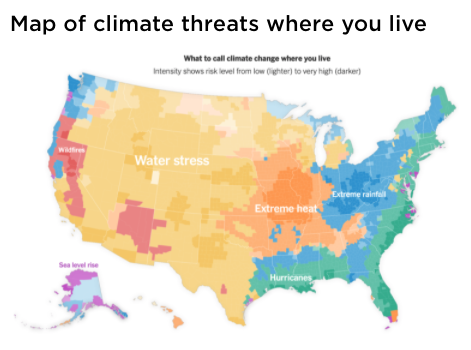
Basic landlord insurance policies do not usually cover damages incurred due to earthquakes, tornadoes, hurricanes, hail, or floods. Check with your insurance agent to find out for sure.
Whether you need additional policies largely depends on the location of the property and the likelihood of natural disasters in the area.
For example, if the home is in a coastal area or floodplain with past cases of severe flooding, you should get additional flood insurance (or perhaps not invest there at all).
All of these policies will cost extra, so you will need to re-run your cash flow calculations to check how they will affect your NOI, cash flow, cap rate, and COC returns.
Some Thoughts From the Hui Deal Pipeline Club:
How to Find an Insurance Agent
There will likely be many insurance agents in the city you’re buying in, so finding one insurance provider should not be difficult.
You can search online, ask the turnkey company for a referral, or ask other local real estate investors.
It’s also worth checking if any insurance companies you already use for your home or car offer policies in the city where the turnkey property is located. You can often get discounts for sticking with the same insurance provider for multiple policies.
Get quotes from at least 2-3 different companies, compare their coverage, and pick the most cost-effective policy. A typical single-family landlord insurance quote should not cost more than $600 – $800 in most cities.

Here are a couple of National Insurers we use in the Incubator:
Within the next two weeks:
Got back to your analyzer and re-input the insurance line item as well as review the other assumptions in the model/spreadsheet. Examine your numbers if you are comfortably cashflowing.
Deeper Learning

This content is provided for informational and educational purposes only and does not constitute an offer to sell or a solicitation to buy any security or investment product. All investors must review and sign the official offering documents, including the Private Placement Memorandum (PPM), which governs and supersedes any prior communication. Tax and legal outcomes vary by individual circumstance. We do not provide tax, legal, or accounting advice—investors should consult qualified professionals before making investment decisions. Click Here to see full disclaimer.