Investing in Opportunity Zones: Pros and Cons Explained
Introduced in the Tax Cuts and Jobs Act of 2017, these initiatives aimed to channel investment into underdeveloped areas, offering significant tax benefits for long-term holding.
However, investing in these zones carries risks and uncertainties, particularly due to the developmental state of the areas and untested tax laws. The video also discusses the strategic shift from direct property ownership to more passive investment approaches as one’s net worth increases, highlighting the balance between high returns and reduced liabilities.
What’s the Deal with QOFs?
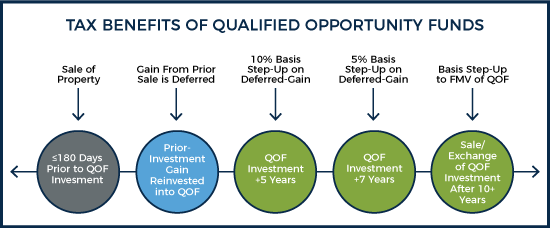
Essentially how it works is if you’ve got capital gains—be it from stocks, real estate, whatever—you could reduce these gains by investing into QOFs. Though, the catch with reducing capital gains by 10% after 5 years and an additional 5% after 7 years has sailed—deadlines were up by 2021 for that sweet deal. 😅
The play is to park your capital gains in a QOF, defer taxes on that gain until 2026, and if you’re patient enough to hold for over 10 years, bam! The gains from the QOF investment itself won’t see the taxman. Say you throw in $250k, and it blooms to $2.5 million in a decade—no tax on that growth. 🌱
Looking Ahead: 2026 and Beyond
Beyond 2026…. will there be an extension or a new reinvestment avenue? Only time will tell, but it’s something to keep an eye on. For anyone wondering how to find if you’re in a QOF zone, a quick search on your state’s website should do the trick.
Final comment
I’ve come across many deals where the “opportunity zone” label is slapped on deals in some of the worst areas. That’s not the kind of investment I typically go for—it just doesn’t fit with my personal investment philosophy. But that doesn’t mean it won’t work for you; we all have different choices to make. Just keep in mind, this isn’t tax, legal, or investment advice. Tax/Legally, I’d urge caution because many aspects of opportunity zones are still untested. Even though the laws state certain things, I’ve seen lawyers debate the interpretations quite a bit.
This content is provided for informational and educational purposes only and does not constitute an offer to sell or a solicitation to buy any security or investment product. All investors must review and sign the official offering documents, including the Private Placement Memorandum (PPM), which governs and supersedes any prior communication. Tax and legal outcomes vary by individual circumstance. We do not provide tax, legal, or accounting advice—investors should consult qualified professionals before making investment decisions. Click Here to see full disclaimer.