



The DST Dilemma: Low Risk, Low Reward? DSTs are like the comfy slippers of real estate investing: low maintenance but not designed for very active do it yourself investors.
1031 Exchange into a DST: The Passive Investor’s Dream 💤
Ever feel like the hassles of property management just aren’t worth it anymore? That’s where the 1031 exchange into a DST (Delaware Statutory Trust) comes into play. It’s a smooth transition from being actively involved to just watching the returns as you go from the first floor to the second floor of the Wealth Elevator and beyond.
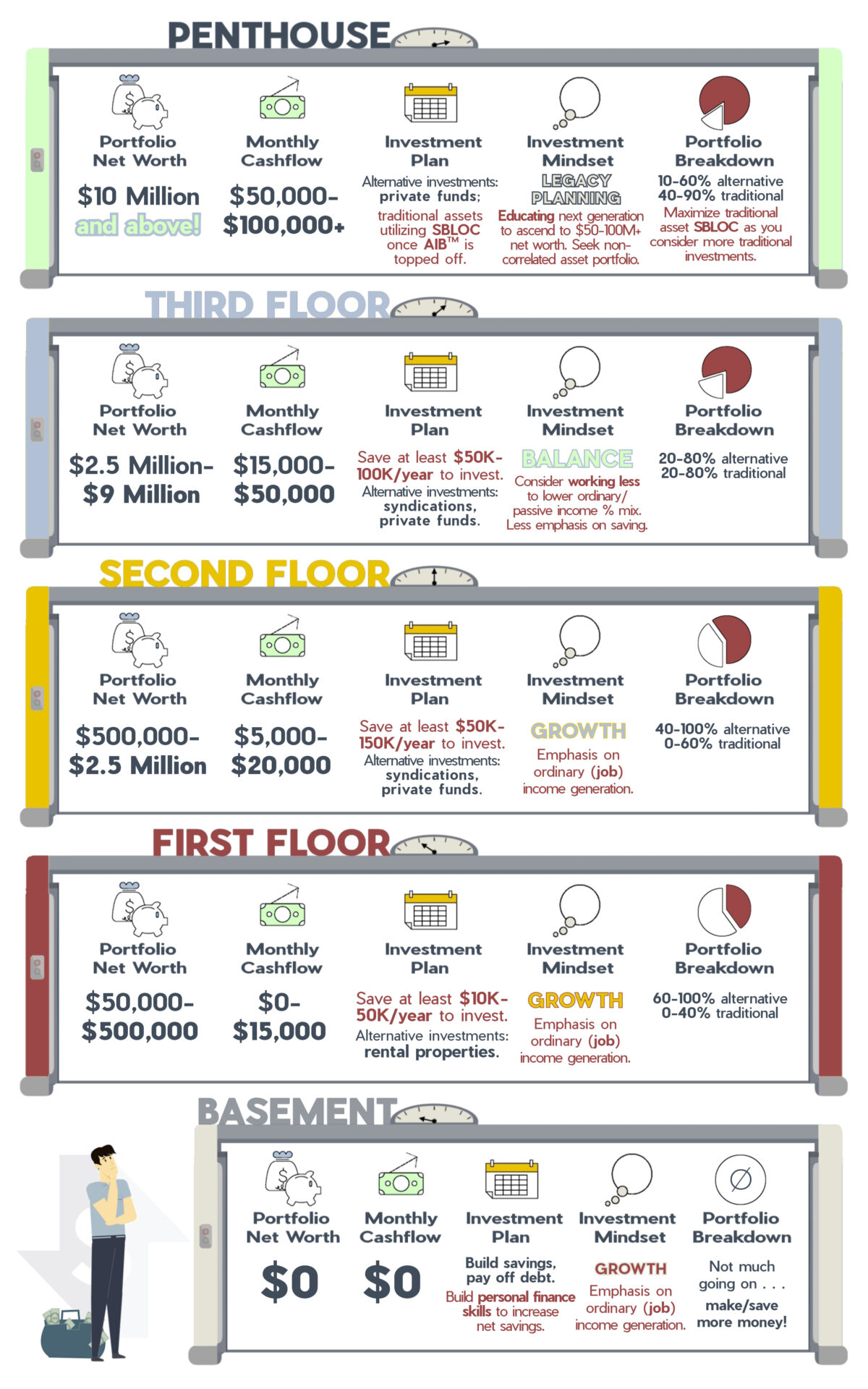
Why DST? Here’s the Deal…
So, you’re nearing retirement and thinking, “I don’t want this gain, right? I’m going to give to my kids or grandkids, whatever, or charity, right?
If they’re going to cash out or whatever of this DST in the future. That’s fine. But I really liked the DST for those who are getting closer to that, and they’re looking to be even more passive. Real estate is generally passive. We know it’s not always that at the end of the day, if you’re the sole owner or direct operator (GP), you’ve gotten a lot of responsibility, but DST is really good towards the retirement age if you invest as a LP.”
And here’s a thing about DSTs (Delaware Statutory Trusts) we also touched on: you often need to be an accredited investor to get in. So, if you’re not there yet, it’s something to work towards. 📈👀
Delaware Statutory Trust: All Clear 👍
Alright, Delaware Statutory Trust? You’re good to go. But when we chat about the DST or deferred sales trust, things get a bit… hairy.
🧐 Questionable Tax Strategies: A Closer Look
All these methods are form of “Monetized installment sales” and are on the IRS’s “dirty dozen” list because they’re heavily scrutinized. Not saying that you don’t do them… it just means that they work because the IRS does not like it so make sure you have a legal team to pull it off for you. We generally steer clear from recommending these, and they’re also listed transactions but we just wanted to empower you to have that conversation with the right CPA.
Doing a monetized installment sale? It’s like flagging down the IRS and saying, “Hey, check this out!” You’re selling a property to a middleman, who then promises to pay you later, often with interest.
Here’s the gist: sell the property, an intermediary takes the cash, and you get a loan against that sale. This way, you get upfront cash, but pay the loan back with the installment sales. Essentially, you get your cake (the full sales proceeds) and eat it too (defer capital gain recognition). Not shady at all, right? 🤔
Monetized installment sales let you access full capital while deferring taxes, landing them on the dirty dozen list. And, as we discussed on the podcast, there are firms outright banning their partners from advising on these, especially deferred sales trusts, due to similar risks.

DST: A Fine Line
Deferred Sales Trusts operate similarly, but involve selling your property to a trust. The trust sells the property, reinvests the proceeds, and pays you over time, aiming to minimize capital gains tax. However, its legitimacy is still up for debate among professionals, including us.
🔍 Wrapping It Up: Proceed with Caution
We’re not here to knock anyone’s strategy or provide tax/legal advice of course, but the risk with these transactions is too high for our liking. There are safer, IRS-approved ways to manage taxes when exiting real estate and the items on this page should be used behind other options discussed through this course.